Michael Streeter – författare
Visar alla böcker från författaren Michael Streeter. Handla med fri frakt och snabb leverans.
8 produkter
Witchcraft
A Secret History
E-bok, 2020
154 kr
Lägg i varukorg
Witchcraft unravels the myth from the mystery, the facts from the legends, in this bewitching introduction to witchcraft’s lesser-known history. Spanning several centuries and comprising unbelievable facts and little-known legends, meet all the witches of your imagination and learn why, where and …
Cyber Crime & Warfare: All That Matters
Av Peter Warren, Michael Streeter
Häftad, 2013
202 kr
Lägg i varukorg
In Cyber Crime: All That Matters, Peter Warren and Michael Streeter outline the history, scale and importance of cyber crime. In particular they show how cyber crime, cyber espionage and cyber warfare now pose a major threat to society. After analysing the origins of computer crime among early …
Cyber Crime & Warfare: All That Matters
Av Michael Streeter, Peter Warren
E-bok, 2013
44 kr
Lägg i varukorg
In Cyber Crime: All That Matters , Peter Warren and Michael Streeter outline the history, scale and importance of cyber crime. In particular they show how cyber crime, cyber espionage and cyber warfare now pose a major threat to society. After analysing the origins of computer crime among early …
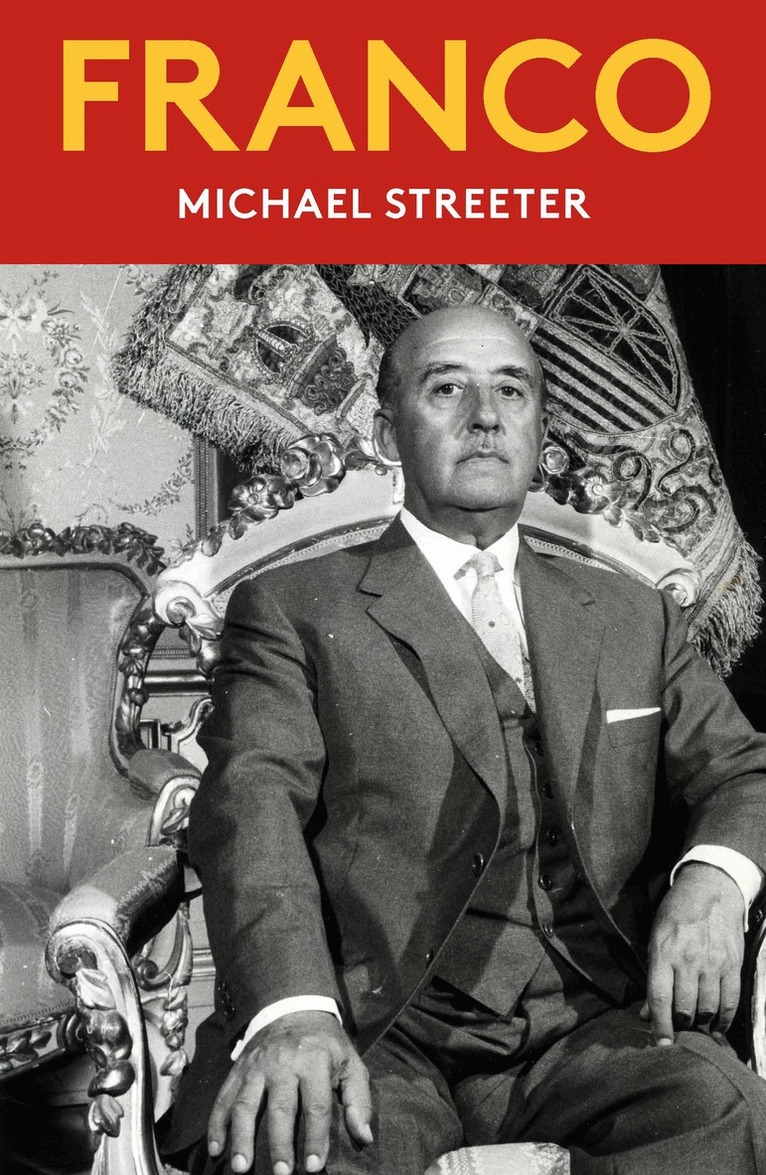
Franco
Häftad, 2025
142 kr
Lägg i varukorg
Growing up in the wake of the Spanish military’s shattering defeat at the hands of the United States in 1898 over Cuba and having survived a bullet to the stomach while serving his country in Morocco, it is perhaps no wonder that Francisco Franco’s fame and notoriety was eventually guaranteed by …
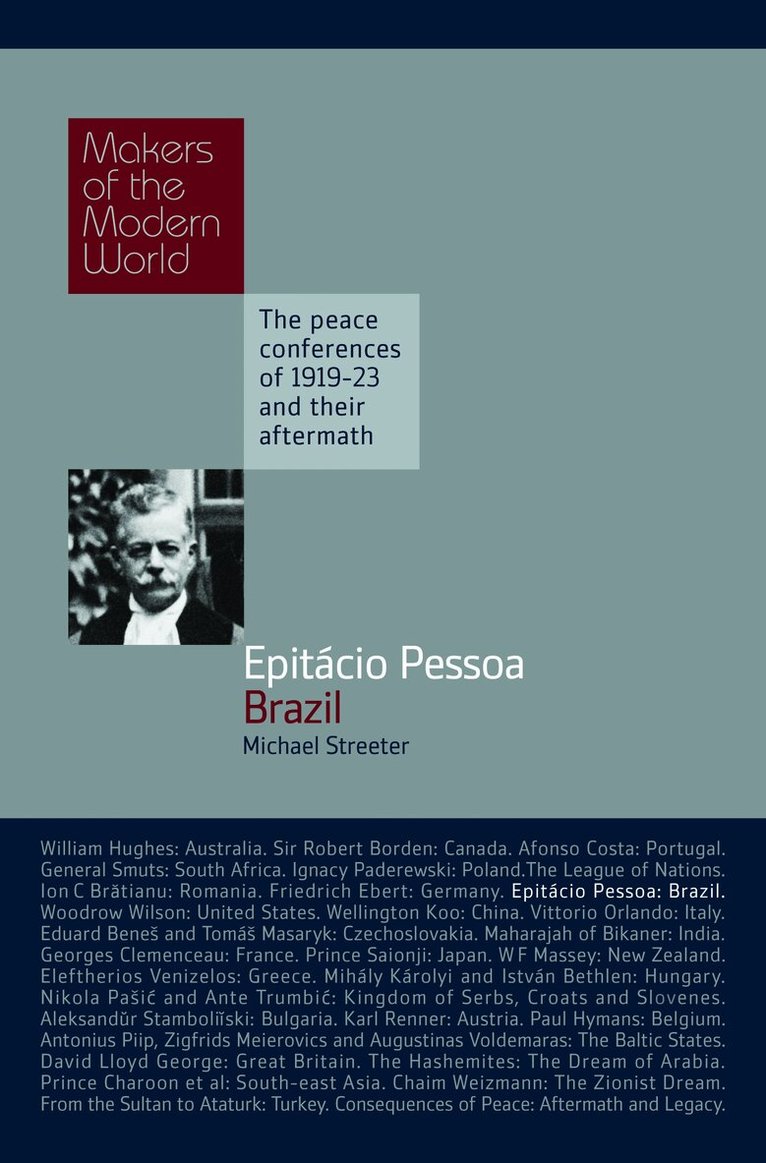
Epitacio Pessoa: Brazil
The Peace Conferences of 1919-23 and Their Aftermath
Inbunden, 2010
142 kr
Tillfälligt slut
Epitacio Pessoa (1865-1942). Brazil was one of the emerging world powers to be invited to the Paris Peace Conference in 1919. Having jettisoned her empire just thirty years before, the Portuguese-speaking nation was showed signs of becoming one of the financial powerhouses not just of Latin …
South America and the Treaty of Versailles
The Peace Conferences of 1919-23 and Their Aftermath
Inbunden, 2011, 15+ år
140 kr
Tillfälligt slut
While Portuguese-speaking Brazil declared war on Germany, in the First World War, the rest of South America held back. In the end no other South American nation joined the fighting. But four - Bolivia, Equador, Peru and Uruguay - did break off diplomatic relations with Germany in 1917, in sympathy …