Michael Tye – författare
Visar alla böcker från författaren Michael Tye. Handla med fri frakt och snabb leverans.
17 produkter
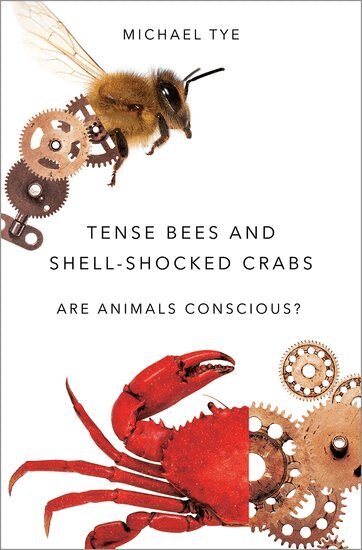
Tense Bees and Shell-Shocked Crabs
Are Animals Conscious?
Av Michael Tye
Inbunden, 2017
573 kr
Lägg i varukorg
In the seventeenth century, the famous French philosopher, Rene Descartes, held that nonhuman animals, lacking souls, are organic automata without any consciousness. This led him to participate in vivisections on dogs, dismissing their howls as mere noises. Voltaire later ridiculed Descartes' view; …
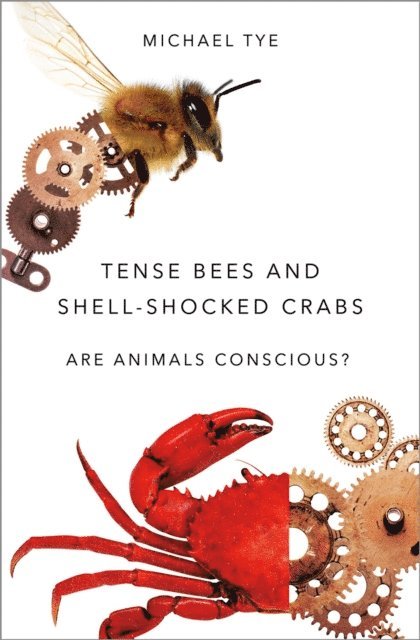
Tense Bees and Shell-Shocked Crabs
Are Animals Conscious?
Av Michael Tye
E-bok, 2016
359 kr
Lägg i varukorg
A consideration of some of the most common questions about animal minds. Do birds have feelings? Can fish feel pain? Could a honeybee be anxious? For centuries, the question of whether or not animals are conscious like humans has prompted debates among philosophers and scientists. While most people …
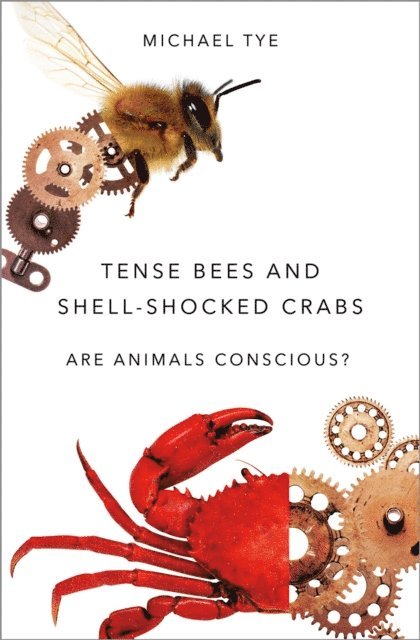
Tense Bees and Shell-Shocked Crabs
Are Animals Conscious?
Av Michael Tye
E-bok, 2016
359 kr
Lägg i varukorg
A consideration of some of the most common questions about animal minds. Do birds have feelings? Can fish feel pain? Could a honeybee be anxious? For centuries, the question of whether or not animals are conscious like humans has prompted debates among philosophers and scientists. While most people …
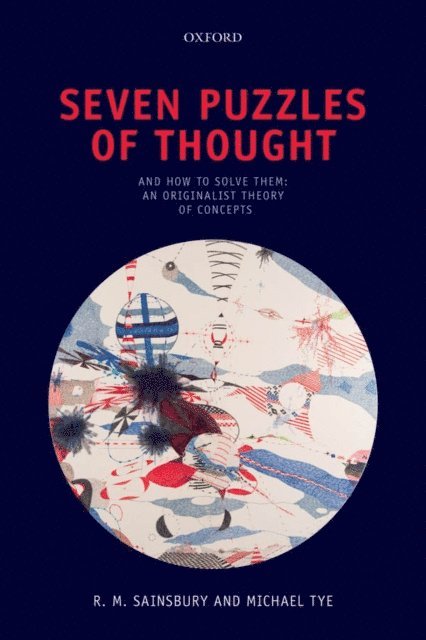
Seven Puzzles of Thought
And How to Solve Them: An Originalist Theory of Concepts
Av Michael Tye, R. M. Sainsbury
E-bok, 2012
391 kr
Lägg i varukorg
How can one think about the same thing twice without knowing that it''s the same thing? How can one think about nothing at all (for example Pegasus, the mythical flying horse)? Is thinking about oneself special? One could mistake one''s car for someone else''s, but it seems one could not mistake …
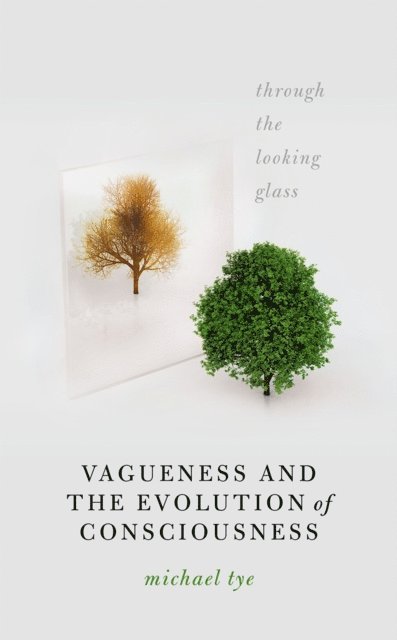
Vagueness and the Evolution of Consciousness
Through the Looking Glass
Av Michael Tye
E-bok, 2021
196 kr
Lägg i varukorg
When Alice stepped through the looking-glass, she encountered a peculiar world where she meets animated chess pieces, characters from nursery rhymes, and talking animals. Everything there is inside out and upside down: so it is with consciousness. Reflecting on the inception of consciousness, it is …
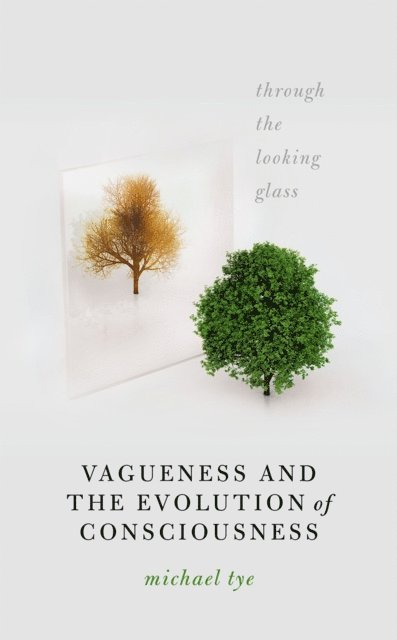
Vagueness and the Evolution of Consciousness
Through the Looking Glass
Av Michael Tye
E-bok, 2021
192 kr
Lägg i varukorg
When Alice stepped through the looking-glass, she encountered a peculiar world where she meets animated chess pieces, characters from nursery rhymes, and talking animals. Everything there is inside out and upside down: so it is with consciousness. Reflecting on the inception of consciousness, it is …
Vagueness and the Evolution of Consciousness
Through the Looking Glass
Av Michael Tye
Inbunden, 2021
464 kr
Lägg i varukorg
When Alice stepped through the looking-glass, she encountered a peculiar world where she meets animated chess pieces, characters from nursery rhymes, and talking animals. Everything there is inside out and upside down: so it is with consciousness. Reflecting on the inception of consciousness, it is …
Vagueness and the Evolution of Consciousness
Through the Looking Glass
Av Michael Tye
Häftad, 2023
264 kr
Lägg i varukorg
When Alice steps through the looking-glass, she encounters a peculiar world where she meets animated chess pieces, characters from nursery rhymes, and talking animals. Everything there is inside out and upside down: so it is with consciousness.Reflecting on the inception of consciousness, it is …
Seven Puzzles of Thought
And How to Solve Them: An Originalist Theory of Concepts
Av Mark Sainsbury, Michael Tye
Häftad, 2013
557 kr
Lägg i varukorg
How can one think about the same thing twice without knowing that it's the same thing? How can one think about nothing at all (for example Pegasus, the mythical flying horse)? Is thinking about oneself special? One could mistake one's car for someone else's, but it seems one could not mistake one's …
Seven Puzzles of Thought
And How to Solve Them: An Originalist Theory of Concepts
Av R. M. Sainsbury, Michael Tye
Inbunden, 2012
1408 kr
Lägg i varukorg
How can one think about the same thing twice without knowing that it's the same thing? How can one think about nothing at all (for example Pegasus, the mythical flying horse)? Is thinking about oneself special? One could mistake one's car for someone else's, but it seems one could not mistake one's …
Consciousness Revisited
Av Michael Tye
E-bok, 2011
350 kr
Lägg i varukorg
Four major puzzles of consciousness philosophical materialism must confront after rejecting the phenomenal concept strategy. We are material beings in a material world, but we are also beings who have experiences and feelings. How can these subjective states be just a matter of matter? To defend …
Consciousness Revisited
Materialism without Phenomenal Concepts
Av Michael Tye, R L. Kosut m. fl.
Häftad, 2011
467 kr
Lägg i varukorg
Ten Problems of Consciousness
A Representational Theory of the Phenomenal Mind
Av Michael Tye
Häftad, 1997
592 kr
Lägg i varukorg
The Metaphysics of Mind
Av Michael Tye
Häftad, 2009
569 kr
Lägg i varukorg
In this provocative book, Michael Tye presents his unique account of the metaphysical foundations of psychological discourse. In place of token identity theory or eliminative materialism, he advocates a generalisation of the adverbial approach to sensory experience, the 'operator theory'. He …