Michal Salamonik – författare
Visar alla böcker från författaren Michal Salamonik. Handla med fri frakt och snabb leverans.
4 produkter
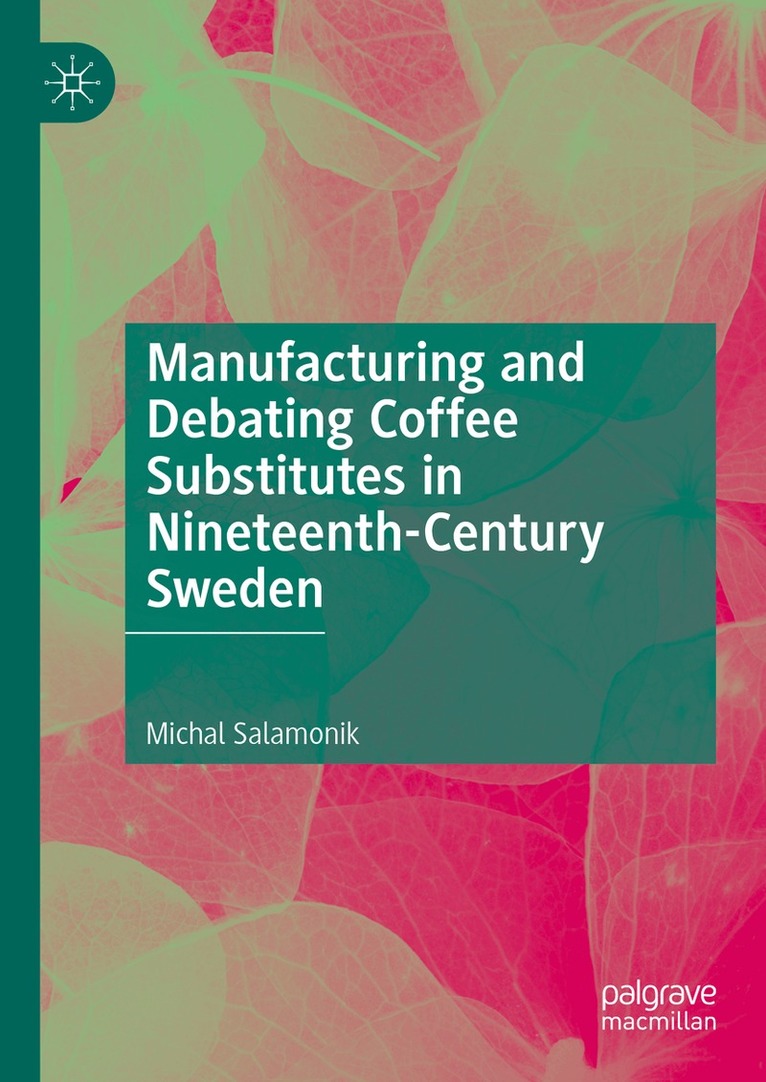
Manufacturing and Debating Coffee Substitutes in Nineteenth-Century Sweden
Inbunden, 2024
1575 kr
Lägg i varukorg
This book explores the development of coffee substitutes in nineteenth-century Sweden. In doing so, it considers the the threshold between the preindustrial and industrial periods by analyzing trade, consumption, social, economic, and environmental changes, and the Second Agricultural Revolution. …
Manufacturing and Debating Coffee Substitutes in Nineteenth-Century Sweden
E-bok, 2024
1962 kr
Lägg i varukorg
This book explores the development of coffee substitutes in nineteenth-century Sweden. In doing so, it considers the the threshold between the preindustrial and industrial periods by analyzing trade, consumption, social, economic, and environmental changes, and the Second Agricultural Revolution. …
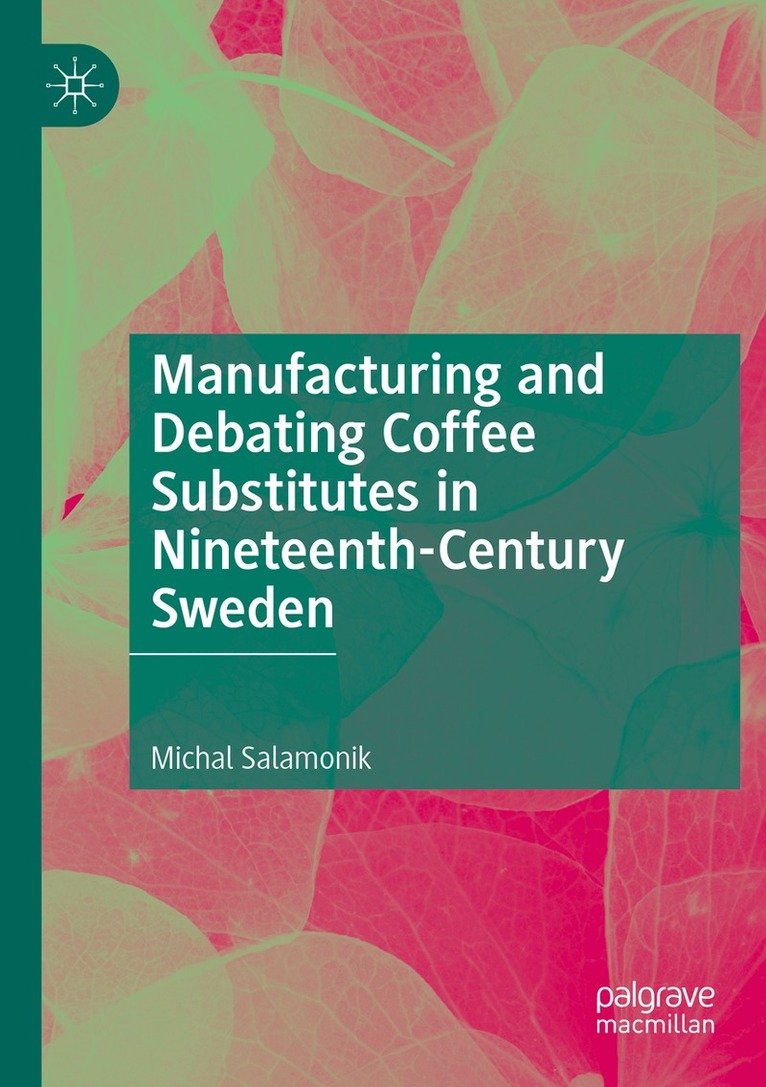
Manufacturing and Debating Coffee Substitutes in Nineteenth-Century Sweden
Häftad, 2025
1575 kr
Lägg i varukorg
This book explores the development of coffee substitutes in nineteenth-century Sweden. In doing so, it considers the the threshold between the preindustrial and industrial periods by analyzing trade, consumption, social, economic, and environmental changes, and the Second Agricultural Revolution. …
In Their Majesties' Service : The Career of Francesco De Gratta (1613-1676) as a Royal Servant and Trader in Gdańsk
Häftad, 2017
253 kr
Lägg i varukorg
The remarkable career of Francesco De Gratta (1613–1676) that began in the late 1640s, was inextricably correlated with the establishment of the early modern royal postal system in Gdańsk (the city fulfilled an important bridging role within the Poland-Lithuanian Commonwealth). The career followed …