Michelle Horwood - Böcker
Visar alla böcker från författaren Michelle Horwood. Handla med fri frakt och snabb leverans.
3 produkter
3 produkter
346 kr
Skickas inom 10-15 vardagar
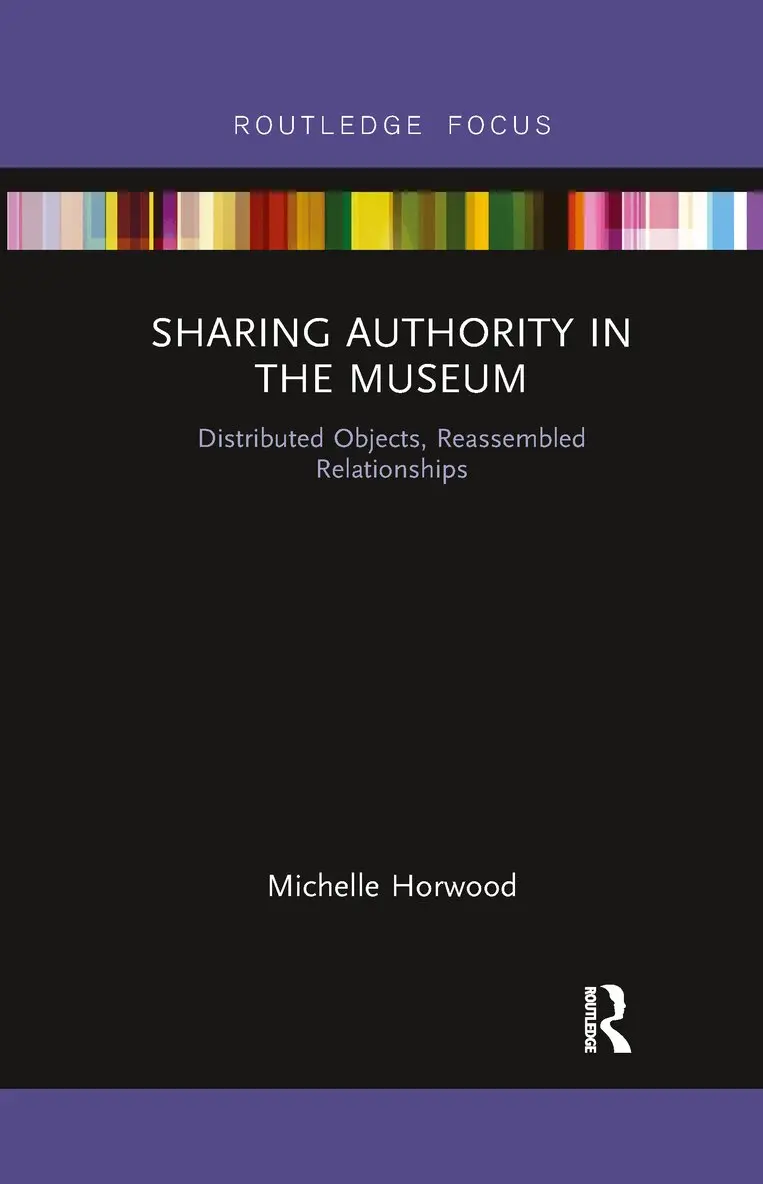
Sharing Authority in the Museum provides a detailed and fully contextualised study of a heritage assemblage over time, from the mid-nineteenth century to the present day. Focussing on Māori objects, predominantly originating from the Ngā Paerangi tribe, housed in Oxford’s Pitt Rivers Museum, the book examines thenuances of cross-cultural interactions between an indigenous community and an anthropological museum.Analysis centres on the legacy of historic ethnographic collecting on indigenous communities and museums, and the impact of different value systems and world views on access to heritage objects. Questions of curatorial responsibilities and authority over access rights are explored. Proposing a method for indigenous engagement to address this legacy, and making recommendations to guide participants when forging relationships based around indigenous cultural heritage, Michelle Horwood shows how to negotiate power and authority within these assemblages. She argues that by doing this and acknowledging and communicating our difficult histories, together we can move from collaborative approaches to shared authority and indigenous self-determination, progressing the task of decolonising the museum.Addressing a salient, complex issue by way of a grounded case study, Sharing Authority in the Museum is key reading for museum practitioners working with ethnographic collections, as well as scholars and students working in the fields of museum, heritage, Indigenous or cultural studies. It should also be of great interest to indigenous communities wishing to take the lessons learned from Ngā Paerangi’s experiences further within their own spheres of museum engagement.
Sharing Authority in the Museum
Distributed objects, reassembled relationships
Inbunden, Engelska, 2018
808 kr
Skickas inom 10-15 vardagar
Sharing Authority in the Museum provides a detailed and fully contextualised study of a heritage assemblage over time, from the mid-nineteenth century to the present day. Focussing on Māori objects, predominantly originating from the Ngā Paerangi tribe, housed in Oxford’s Pitt Rivers Museum, the book examines the□nuances of cross-cultural interactions between an indigenous community and an anthropological museum.Analysis centres on the legacy of historic ethnographic collecting on indigenous communities and museums, and the impact of different value systems and world views on access to heritage objects. Questions of curatorial responsibilities and authority over access rights are explored. Proposing a method for indigenous engagement to address this legacy, and making recommendations to guide participants when forging relationships based around indigenous cultural heritage, Michelle Horwood shows how to negotiate power and authority within these assemblages. She argues that by doing this and acknowledging and communicating our difficult histories, together we can move from collaborative approaches to shared authority and indigenous self-determination, progressing the task of decolonising the museum.Addressing a salient, complex issue by way of a grounded case study, Sharing Authority in the Museum is key reading for museum practitioners working with ethnographic collections, as well as scholars and students working in the fields of museum, heritage, Indigenous or cultural studies. It should also be of great interest to indigenous communities wishing to take the lessons learned from Ngā Paerangi’s experiences further within their own spheres of museum engagement.
Palgrave Handbook of Inter-Cultural Heritage in Aotearoa New Zealand
Tangata Whenua, Tangata Tiriti
Inbunden, Engelska, 2026
4 028 kr
Kommande
This Handbook will explore diverse contemporary topics that reflect the variety of heritage in Aotearoa New Zealand, with topics ranging over cultural and natural heritage, the arts and culture, GLAMs (galleries, libraries, archives and museums), public history, and the natural environment. The chapters in this book all have some relationship with people and place, or with Aotearoa New Zealand's shared history and the impact of/response to a colonial legacy. They will explore the conflict and tensions which arise in contemporary debates about postsettler history, national identity, and popular culture. Within this framework of land, Māori and settler/migrant peoples, authors consider the conflict, problems and tensions which arise from settler-colonial violence, post settler history and a fractious national identity. The book will focus on issues that connect to the relationship with indigenous people and the land through the Treaty of Waitangi/Tiriti o Waitangi. It asks: Who are we and what does it mean to live here, as tangata whenua (people of the land) and tangata tiriti (people of the Treaty)? How has our heritage shaped and been shaped by our relationship to each other and to the land?