Michiko Ishimure - Böcker
Visar alla böcker från författaren Michiko Ishimure. Handla med fri frakt och snabb leverans.
2 produkter
2 produkter
290 kr
Skickas inom 7-10 vardagar
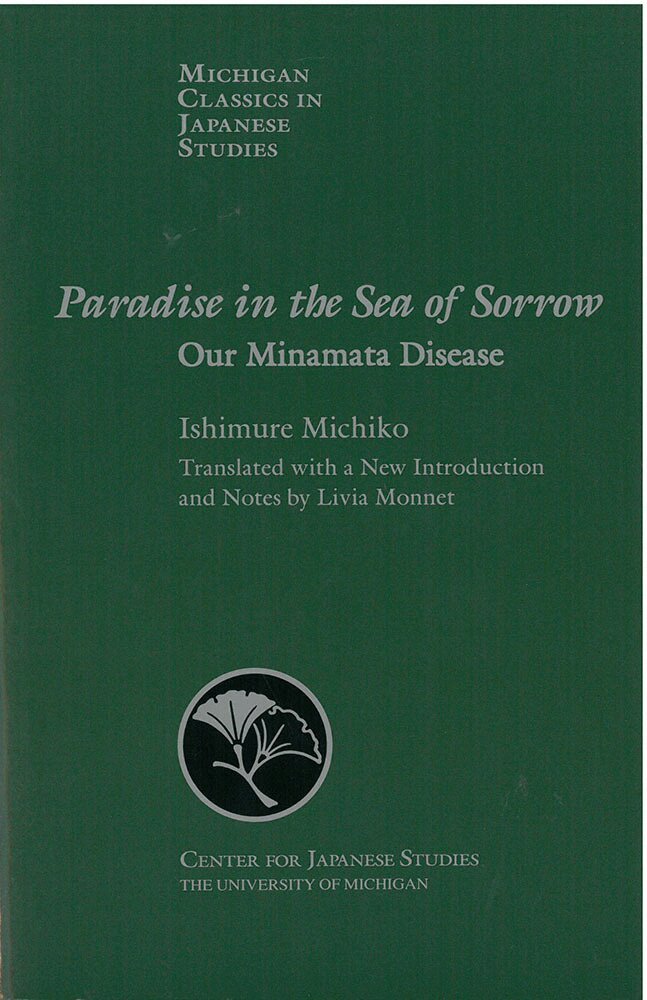
In the early 1950s, numerous cases of organic mercury poisoning were discovered in the fishing villages around Minamata, Japan. Yet for decades after, victims of what is now known as Minamata disease suffered neglect, discrimination, and ostracism by Minamata residents, local government, labor unions, Minamata disease certification committees, and fishers’ cooperatives. Fifty years later, renewed efforts began to conserve the environment and reconcile with victims of poisoning, including a flurry of museum-building, citizen waste recycling campaigns, and conferences, symposia, and exhibitions. But this rapprochement in the 1990s took place slowly and with difficulty, as the pain of previous decades was still alive and aching. Ishimure Michiko served as a key activist and spokesperson for the Minamata protest movement, producing over forty volumes of writings in various genres: docufiction, historical novels, reportage, autobiography, poetry, children’s books, and a Nō drama. Beyond playing an outsized role in organizing the Minamata struggle, Ishimure influenced the movement’s cultural history and memory and articulated its symbolic legacy. Paradise in the Sea of Sorrow is a powerful record of victims’ suffering and the movement to support them. Its lyrical descriptions of fishing villages and fishers’ way of life, as well as of the scenic beauty of the Shiranui Sea area, are among the most effective in contemporary Japanese literature. Paradise is a work of testimonial resistance literature—a militant, hybrid autoethnography featuring both a local community as a plurality of speakers and an autobiographical voice through which Ishimure plays an unassuming participant observer who insists on the accuracy, truthfulness, and necessity of her testimony.
195 kr
Skickas
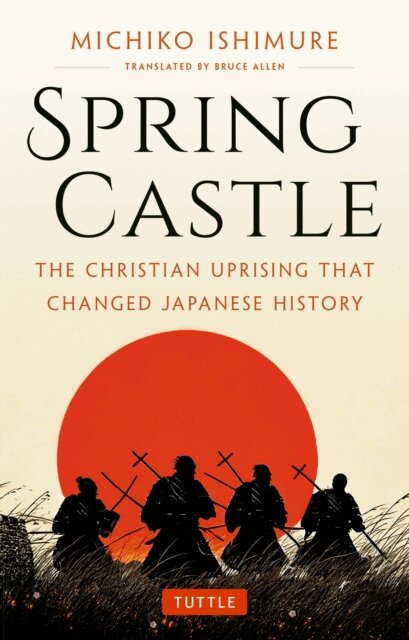
"Spring Castle is ambitious and unforgettable. Ishimure devoted half a century to it; Allen has carried her devotion across languages. Together, they have given readers a requiem for the 37,000 nameless—and a reminder that even in silence, the flower clock continues to tick." —Asian Review of BooksThe Untold Story of the Christian Rebellion That Changed Japanese History.Spring Castle is the epic story of Japan's bloody Shimabara Rebellion, told through the eyes of the peasants and former samurai who rose up their oppressors with extraordinary bravery. Facing religious persecution and famine, 37,000 ordinary men, women and children led by a charismatic teenage boy occupied an abandoned castle, only to be ruthlessly slaughtered by the shogun's army on the uprising's final day.History books have retold this story countless times, but renowned novelist Michiko Ishimure spent fifty years imaginatively reconstructing the lives, thoughts, fears and dreams of the forgotten people who perished that day—likely including her own ancestors. With great sensitivity, Ishimure depicts the religious awakening and struggles of a large cast of characters who gradually come to recognize that they have no choice but to fight for their freedom and dignity.As translator Bruce Allen writes, "Ishimure devoted her life to telling the stories of people whose lives were threatened by society's desire for material progress. This book provides a requiem for the victims of this process, along with a call for recognition, reconciliation, and renewal."