Mike M. Mochizuki – författare
239 kr
Läs direkt efter köp
"In describing their comprehensive proposal for negotiations with North Korea, O''Hanlon and Mochizuki exhibit the strategic creativity and analytical depth badly needed by United States policy makers dealing with this strange, dangerous place."
--Ash Carter, former Assistant Secretary of Defense and Ford Foundation Professor of Science and International Affairs, John F. Kennedy School of Government, Harvard University
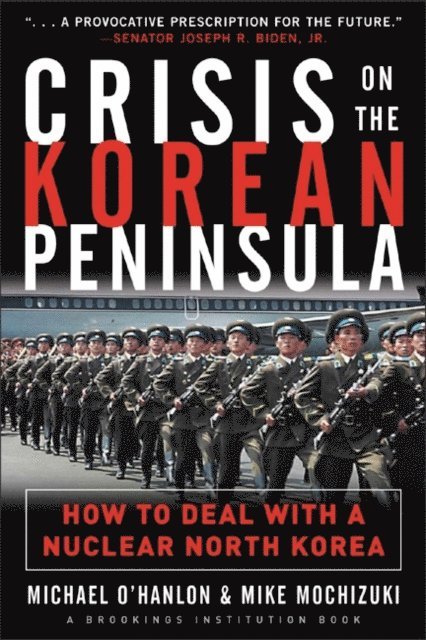
IN EARLY 2002, in his fateful state of the union address, President Bush described North Korea as being a member of the "Axis of Evil." Since then, the U.S. has gone to war with Iraq, and the world now wonders what the future of Bush''s preemption policy will bring. Many of the nation''s top experts feel that North Korea is a more imminent threat than Saddam''s Iraq was. They have a nuclear program, a million-man army, and missiles to deploy and export.
In Crisis on the Korean Peninsula, Michael O''Hanlon, a Senior Fellow at Brooking and visiting lecturer at Princeton, and Mike Mochizuki, endowed chair in Japan-US Relations at G.W. University, not only examine this issue in detail but also offer a comprehensive blueprint for diffusing the crisis with North Korea. Their solution comes in the form of a "grand bargain" with North Korea. Accords could be negotiated step-by-step, however they need to be guided by a broad and ambitious vision that addresses not only the nuclear issue but also the conventional forces on the hyper-militarized peninsula and the ongoing decline of the North Korean economy.
656 kr
Skickas inom 10-15 vardagar
2 316 kr
Skickas inom 10-15 vardagar
682 kr
Läs direkt efter köp
Many states appear to have strong sentiment on energy security and energy transit vulnerability. Some analysts see the rapidly increasing demand for energy and competition for energy resources leading to nationalistic energy policies. Others argue that global trends with efficient energy markets and growing options on renewables suggest more relaxed energy outlooks.
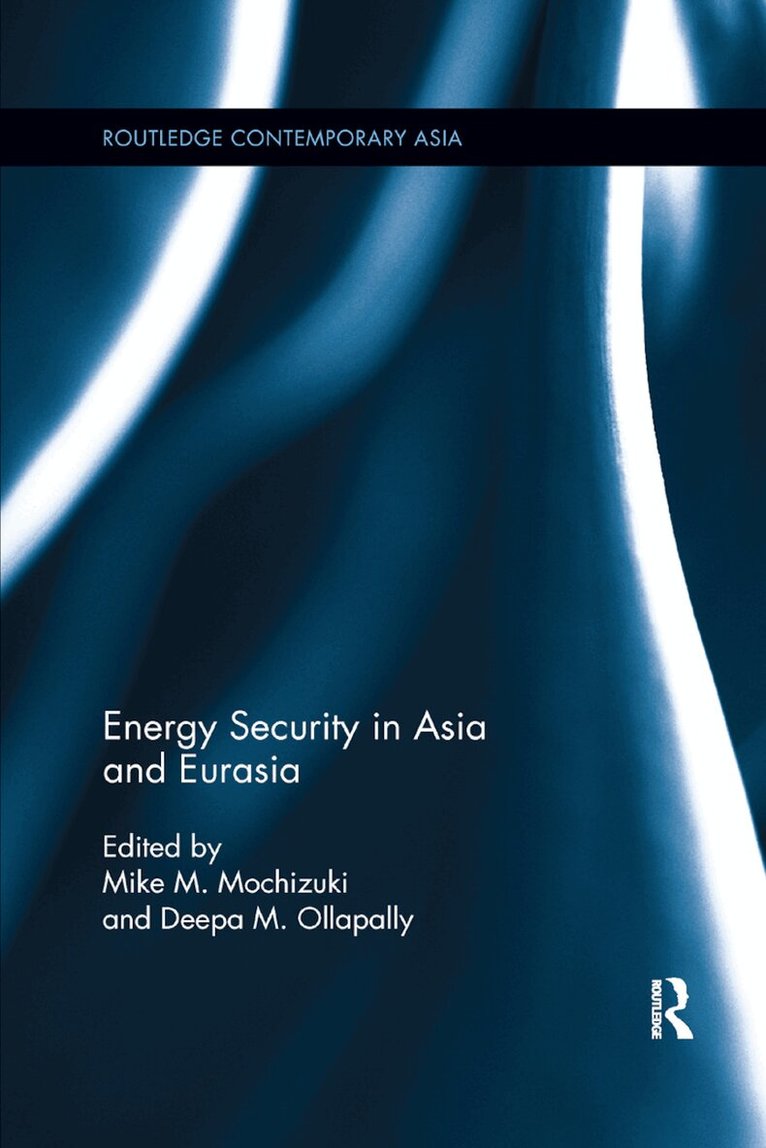
This book focuses on Asia, where global demand for energy is now concentrated in the aspiring and rising powers of the region: China, India, Japan and South Korea, and also recognises the importance of Russia as a growing energy supplier. Contributions by experts in the field provide detailed and parallel case studies. Shedding light on the ongoing debate in the literature regarding energy outlooks of major Asian states, they analyse whether energy policies are expected to evolve along market oriented cooperative lines or more competitive and even destructive mercantile, nationalist lines. The book argues that states are not unitary actors even in the key energy security arena and there are competing and contrasting viewpoints in Asian states on energy security. It suggests that domestic debates structure thinking on energy security, making energy policy more contingent than assumed by purely market or geopolitical logics.
Providing a strong contribution to comparative energy security studies, the book fills an important gap in the literature on energy and national security and offers a basis for conducting further inter-state, interactive analysis. It will be of interest to researchers on Asian Studies, energy politics and international relations.
682 kr
Läs direkt efter köp
Many states appear to have strong sentiment on energy security and energy transit vulnerability. Some analysts see the rapidly increasing demand for energy and competition for energy resources leading to nationalistic energy policies. Others argue that global trends with efficient energy markets and growing options on renewables suggest more relaxed energy outlooks.
This book focuses on Asia, where global demand for energy is now concentrated in the aspiring and rising powers of the region: China, India, Japan and South Korea, and also recognises the importance of Russia as a growing energy supplier. Contributions by experts in the field provide detailed and parallel case studies. Shedding light on the ongoing debate in the literature regarding energy outlooks of major Asian states, they analyse whether energy policies are expected to evolve along market oriented cooperative lines or more competitive and even destructive mercantile, nationalist lines. The book argues that states are not unitary actors even in the key energy security arena and there are competing and contrasting viewpoints in Asian states on energy security. It suggests that domestic debates structure thinking on energy security, making energy policy more contingent than assumed by purely market or geopolitical logics.
Providing a strong contribution to comparative energy security studies, the book fills an important gap in the literature on energy and national security and offers a basis for conducting further inter-state, interactive analysis. It will be of interest to researchers on Asian Studies, energy politics and international relations.