Michael O'Hanlon – författare
Visar alla böcker från författaren Michael O'Hanlon. Handla med fri frakt och snabb leverans.
17 produkter
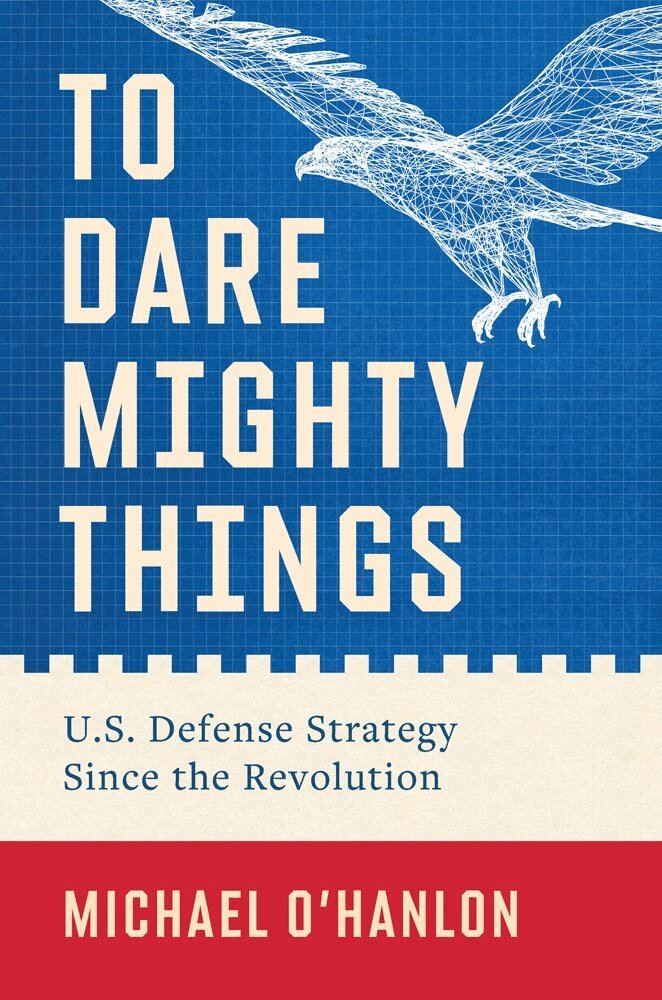
To Dare Mighty Things
U.S. Defense Strategy Since the Revolution
Inbunden, 2026
304 kr
Lägg i varukorg
The definitive history of U.S. defense strategyMuch of the history of U.S. defense over the course of 250 years has been a story of success. Insulated by two oceans and mostly friendly neighbors, but constantly ambitious abroad, America has dared mighty things and often achieved them, argues …
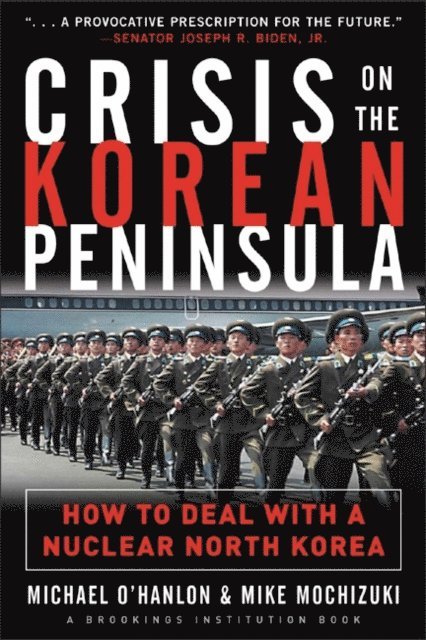
Crisis on the Korean Peninsula
Av Mike M. Mochizuki, Michael O'Hanlon
E-bok, 2003
255 kr
Lägg i varukorg
"In describing their comprehensive proposal for negotiations with North Korea, O''Hanlon and Mochizuki exhibit the strategic creativity and analytical depth badly needed by United States policy makers dealing with this strange, dangerous place." --Ash Carter, former Assistant Secretary of Defense …
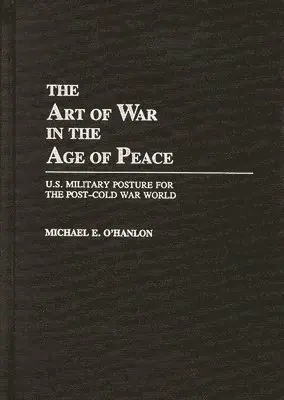
Art of War in the Age of Peace
U.S. Military Posture for the Post-Cold War World
Inbunden, 1992
856 kr
Lägg i varukorg
This study begins with a set of strategic assumptions--most notably that the risks of U.S.-Russian war are and will remain extremely low and that the U.S. military remains a stabilizing influence in many geographic theaters. O'Hanlon then shows that the United States' interests in the Third World, …
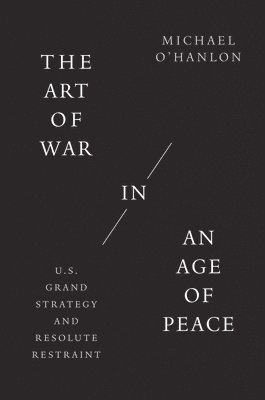
The Art of War in an Age of Peace
U.S. Grand Strategy and Resolute Restraint
Inbunden, 2021
273 kr
Lägg i varukorg
An informed modern plan for post-2020 American foreign policy that avoids the opposing dangers of retrenchment and overextension"A masterful examination of past American grand strategy and foreign policies. A compelling, thoughtful, and thought-provoking proposal of a new grand strategy by one of …
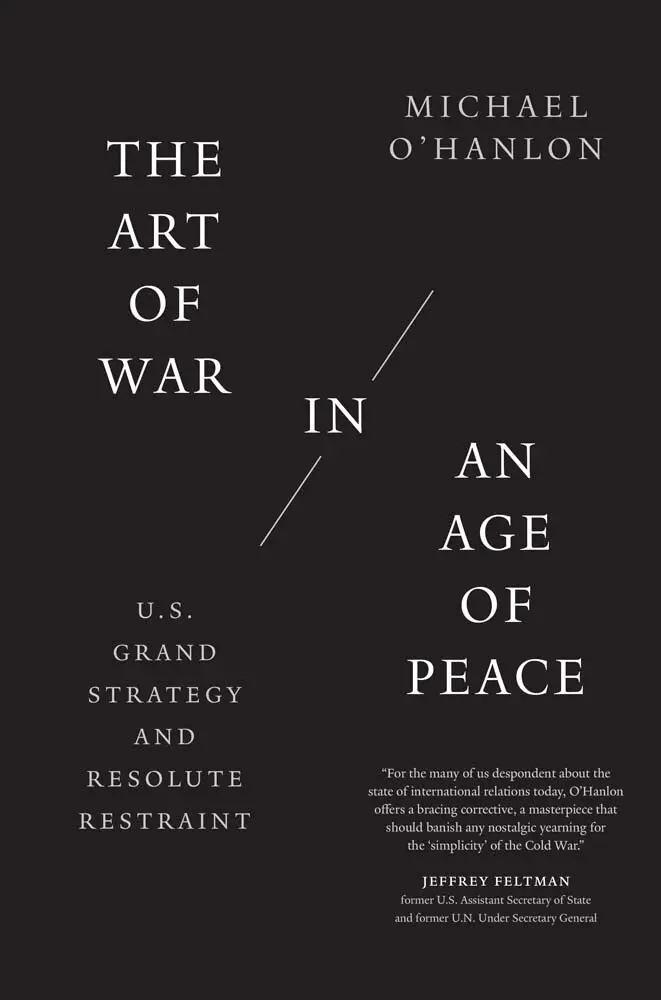
Art of War in an Age of Peace
U.S. Grand Strategy and Resolute Restraint
Häftad, 2022
215 kr
Lägg i varukorg
An informed modern plan for post-2020 American foreign policy that avoids the opposing dangers of retrenchment and overextension“A masterful examination of past American grand strategy and foreign policies. A compelling, thoughtful, and thought-provoking proposal of a new grand strategy by one of …
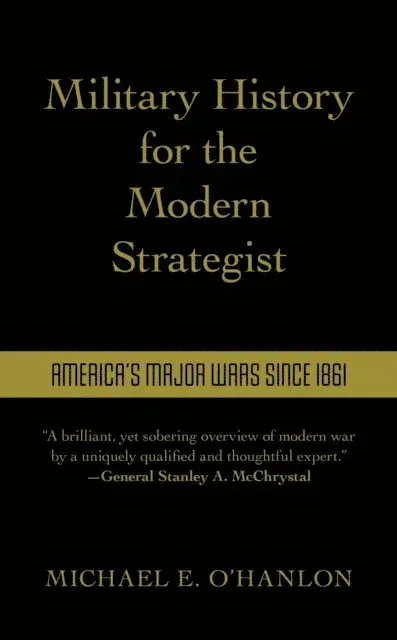
Military History for the Modern Strategist
America's Major Wars Since 1861
Inbunden, 2023
385 kr
Lägg i varukorg
The recent conclusion to the war in Afghanistan — America’s longest and one of its most frustrating — serves as a vivid reminder of the unpredictability and tragedy of war. In this timely book, esteemed military expert Michael O’Hanlon examines America’s major conflicts since the mid-1800s: the …
Military History for the Modern Strategist
America'S Major Wars Since 1861
E-bok, 2023
482 kr
Lägg i varukorg
The recent conclusion to the war in Afghanistan — America’s longest and one of its most frustrating — serves as a vivid reminder of the unpredictability and tragedy of war. In this timely book, esteemed military expert Michael O’Hanlon examines America’s major conflicts since the mid-1800s: the …
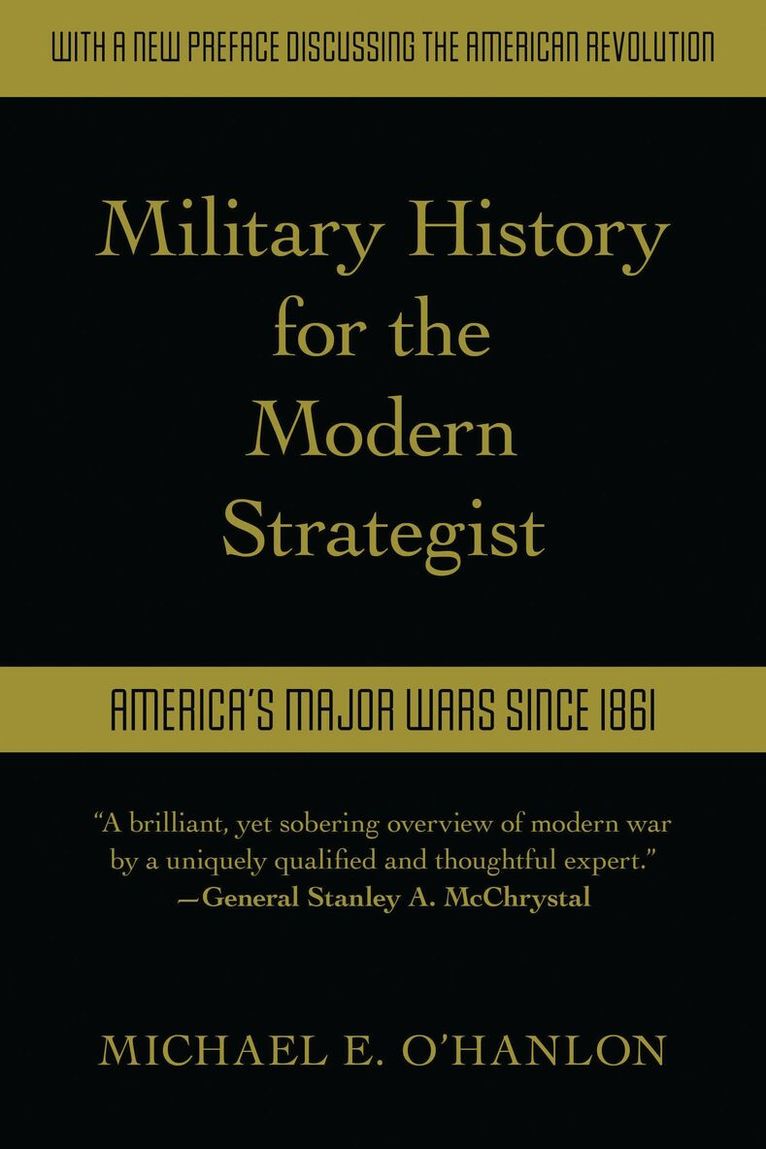
Military History for the Modern Strategist
America's Major Wars Since 1861
Häftad, 2024
386 kr
Lägg i varukorg
The recent conclusion to the war in Afghanistan — America’s longest and one of its most frustrating — serves as a vivid reminder of the unpredictability and tragedy of war. In this timely book, esteemed military expert Michael O’Hanlon examines America’s major conflicts since the mid-1800s: the …
Military History for the Modern Strategist
America'S Major Wars Since 1861
E-bok, 2024
418 kr
Lägg i varukorg
The recent conclusion to the war in Afghanistan - America''s longest and one of its most frustrating - serves as a vivid reminder of the unpredictability and tragedy of war. In this timely book, esteemed military expert Michael O''Hanlon examines America''s major conflicts since the mid-1800s: the …
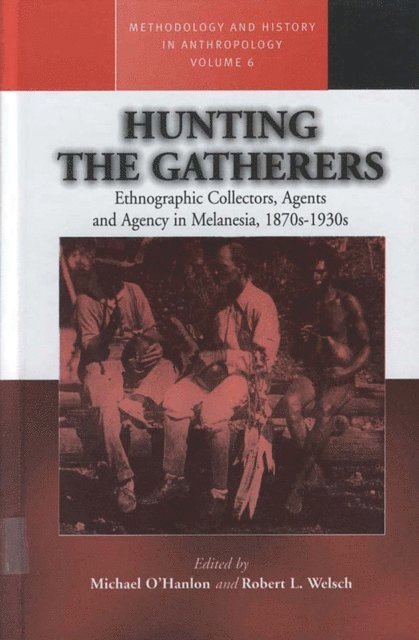
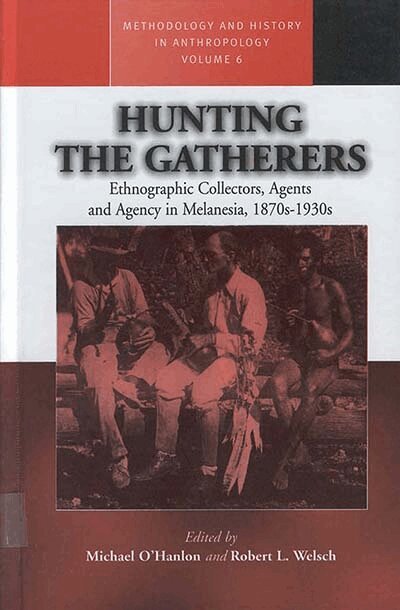
Hunting the Gatherers
Ethnographic Collectors, Agents, and Agency in Melanesia 1870s-1930s
Av Robert L. Welsch, Michael O'Hanlon
E-bok, 2001
326 kr
Lägg i varukorg
Between the 1870s and the 1930s competing European powers carved out and consolidated colonies in Melanesia, the most culturally diverse region of the world. As part of this process, great assemblages of ethnographic artefacts were made by a range of collectors whose diversity is captured in this …
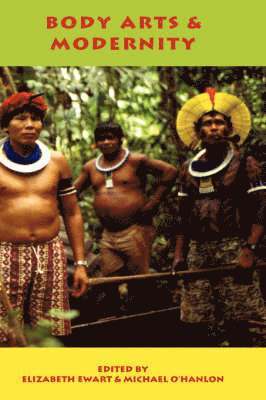
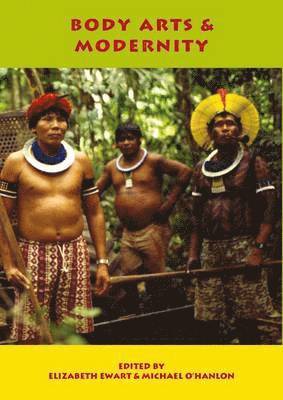
Body Arts and Modernity
Av Elizabeth Ewart, Michael O'Hanlon
Inbunden, 2007
1000 kr
Lägg i varukorg
What happens to body arts when these aesthetic practices assume fresh significance in the context of modernity? In many parts of the indigenous world, the realm of body arts has become an arena for innovation, debate, revival and repression under the conditions of modernity. Among some groups, …
Wounded Giant
America''s Armed Forces in an Age of Austerity An eSpecial from The Penguin Press
E-bok, 2011
81 kr
Lägg i varukorg
A farseeing and controversial analysis of the military America needs and the military we can afford from the director of research at Brookings. As total federal debt trends toward 100 percent of the GDP, and America wavers on the edge of another recession, Congress has responded with a plan for …
Survival 59.5
Av Michael O'Hanlon, Erica Frantz m. fl.
Häftad, 2017
361 kr
Lägg i varukorg
Survival, the bi-monthly publication from The International Institute for Strategic Studies, is a leading forum for analysis and debate of international and strategic affairs. With a diverse range of authors, thoughtful reviews and review essays, Survival is scholarly in depth while vivid, …
Hunting the Gatherers
Ethnographic Collectors, Agents, and Agency in Melanesia 1870s-1930s
Av Michael O'Hanlon, Robert L. Welsch
Häftad, 2001
527 kr
Lägg i varukorg
Between the 1870s and the 1930s competing European powers carved out and consolidated colonies in Melanesia, the most culturally diverse region of the world. As part of this process, great assemblages of ethnographic artefacts were made by a range of collectors whose diversity is captured in this …
Hunting the Gatherers
Ethnographic Collectors, Agents, and Agency in Melanesia 1870s-1930s
Av Michael O'Hanlon, Robert L. Welsch
Inbunden, 2001
1880 kr
Lägg i varukorg
Between the 1870s and the 1930s competing European powers carved out and consolidated colonies in Melanesia, the most culturally diverse region of the world. As part of this process, great assemblages of ethnographic artefacts were made by a range of collectors whose diversity is captured in this …
Body Arts and Modernity
Av Elizabeth Ewart, Michael O'Hanlon
Häftad, 2010
422 kr
Lägg i varukorg
Drawing on ethnographic case studies from Amazonia, Indonesia, Africa, Melanesia and Polynesia, this text shows how bodily presentation plays a fundamental role in contemporary identity politics in tension with encompassing national and global stereotypes, which may in turn both constrain and …