Robert L. Welsch – författare
Visar alla böcker från författaren Robert L. Welsch. Handla med fri frakt och snabb leverans.
7 produkter
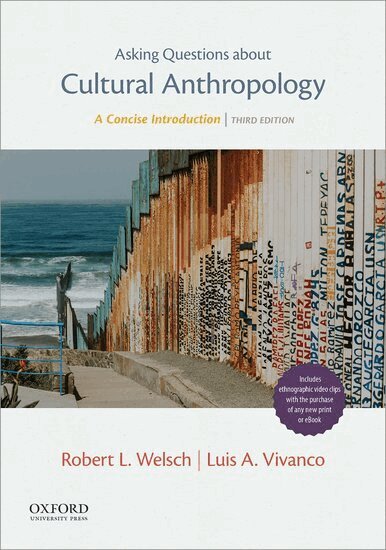
Asking Questions About Cultural Anthropology
A Concise Introduction
Av Robert L. Welsch, Luis A. Vivanco
Häftad, 2023
984 kr
Lägg i varukorg
Unlike textbooks that emphasize the memorization of facts, Asking Questions About Cultural Anthropology: A Concise Introduction, Third Edition, teaches students how to think anthropologically, helping them view cultural issues as an anthropologist might. This approach demonstrates how …
Asking Questions About Cultural Anthropology
A Concise Introduction
Av Luis A. Vivanco, Robert L. Welsch
E-bok, 2022
723 kr
Lägg i varukorg
Unlike textbooks that emphasize the memorization of facts, Asking Questions About Cultural Anthropology: A Concise Introduction , Third Edition, teaches students how to think anthropologically, helping them view cultural issues as an anthropologist might. This approach demonstrates how …
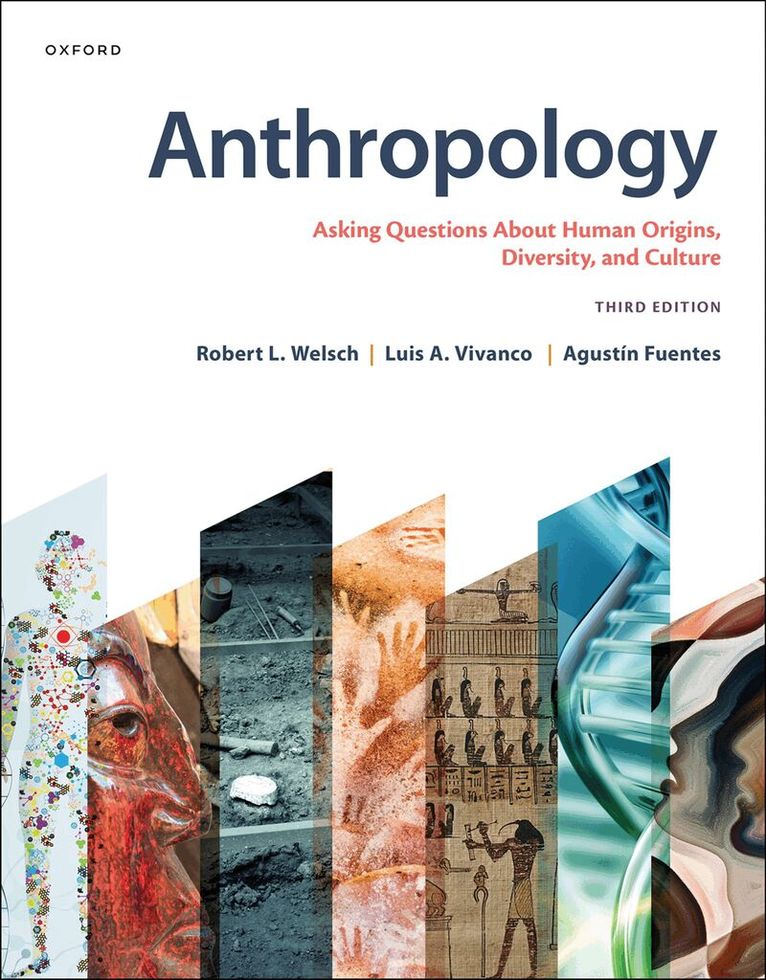
Anthropology
Asking Questions About Human Origins, Diversity, and Culture
Av Robert L. Welsch, Luis A. Vivanco m. fl.
Häftad, 2024
1272 kr
Lägg i varukorg
This general anthropology text takes a holistic approach that emphasizes critical thinking, active learning, and applying anthropology to solve contemporary human problems. Building on the classical foundations of the discipline, Anthropology: Asking Questions About Human Origins, Diversity, and …
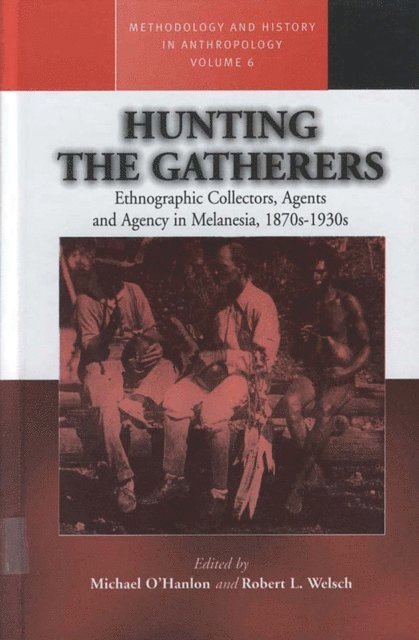
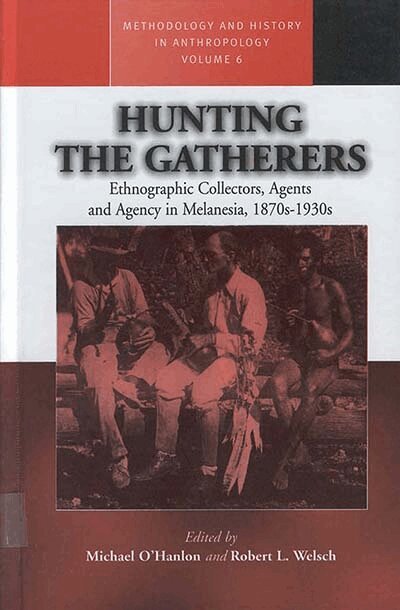
Hunting the Gatherers
Ethnographic Collectors, Agents, and Agency in Melanesia 1870s-1930s
Av Robert L. Welsch, Michael O'Hanlon
E-bok, 2001
326 kr
Lägg i varukorg
Between the 1870s and the 1930s competing European powers carved out and consolidated colonies in Melanesia, the most culturally diverse region of the world. As part of this process, great assemblages of ethnographic artefacts were made by a range of collectors whose diversity is captured in this …
Hunting the Gatherers
Ethnographic Collectors, Agents, and Agency in Melanesia 1870s-1930s
Av Michael O'Hanlon, Robert L. Welsch
Häftad, 2001
527 kr
Lägg i varukorg
Between the 1870s and the 1930s competing European powers carved out and consolidated colonies in Melanesia, the most culturally diverse region of the world. As part of this process, great assemblages of ethnographic artefacts were made by a range of collectors whose diversity is captured in this …
Hunting the Gatherers
Ethnographic Collectors, Agents, and Agency in Melanesia 1870s-1930s
Av Michael O'Hanlon, Robert L. Welsch
Inbunden, 2001
1880 kr
Lägg i varukorg
Between the 1870s and the 1930s competing European powers carved out and consolidated colonies in Melanesia, the most culturally diverse region of the world. As part of this process, great assemblages of ethnographic artefacts were made by a range of collectors whose diversity is captured in this …
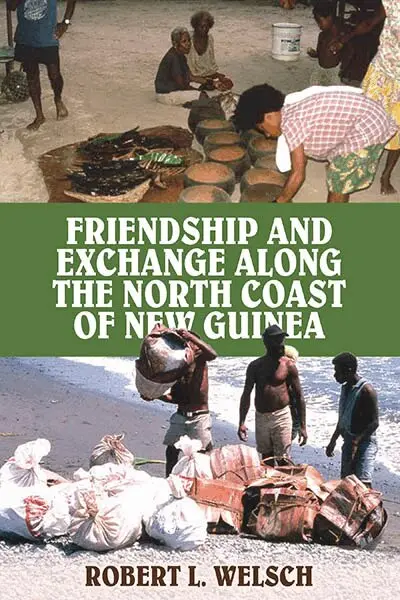
Friendship and Exchange Along the North Coast of New Guinea
Inbunden, 2026
1921 kr
Lägg i varukorg
The exchange of important commodities like fish, sago, and pots between communities speaking dozens of different languages was not a focus of anthropological research in Papua New Guinea until the 1990s. This book explores how more than 100 communities who speak nearly fifty languages from five …