Miklos Tomka – författare
Visar alla böcker från författaren Miklos Tomka. Handla med fri frakt och snabb leverans.
4 produkter
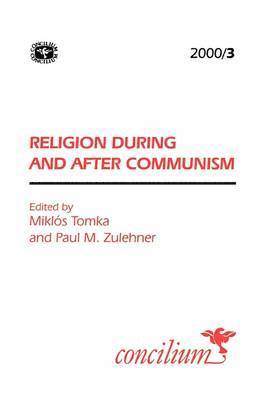
Concilium 200/3: Religion During and After Communism
Av Nigel Michael Malin, Miklos Tomka m. fl.
Häftad, 2000
321 kr
Lägg i varukorg
Introduction: religion during and after Communism--in Eastern Central Europe / Miklos Tomka and Paul M. Zulehner -- Resistance: testimony and encapsulation / Jan Sokol -- Underground church: participation of the laity or sectarianism? / Oto Moadr -- Theology of the second World? Observations and …
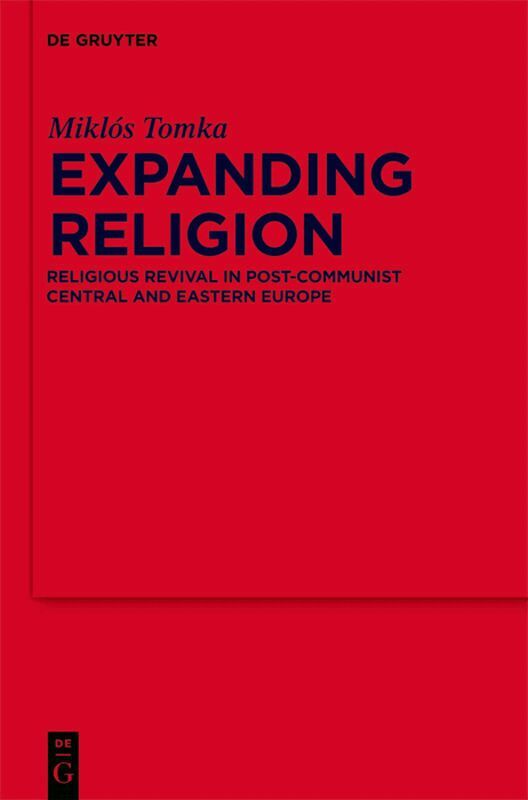
Expanding Religion
Religious Revival in Post-Communist Central and Eastern Europe
Av Miklós Tomka
Inbunden, 2011
1612 kr
Lägg i varukorg
Reiterated international comparative surveys offer evidences about developments of religion-related scene in Central and Eastern Europe. The present volume is the first one, which presents an extensive and detailed cross-national analysis of sociological data comparing extensively countries, …
Expanding Religion
Religious Revival in Post-Communist Central and Eastern Europe
Av Miklos Tomka
E-bok, 2011
1574 kr
Lägg i varukorg
Reiterated international comparative surveys offer evidences about developments of religion-related scene in Central and Eastern Europe. The present volume is the first one, which presents an extensive and detailed cross-national analysis of sociological data comparing extensively countries, …
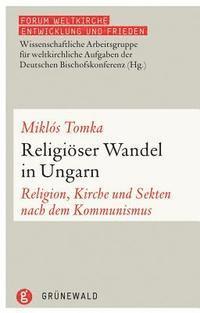
Religioser Wandel in Ungarn: Religion, Kirche Und Sekten Nach Dem Kommunismus
Av Miklos Tomka
Häftad
596 kr
Tillfälligt slut