Miroslav Radojevic - Böcker
Visar alla böcker från författaren Miroslav Radojevic. Handla med fri frakt och snabb leverans.
2 produkter
2 produkter
711 kr
Skickas inom 5-8 vardagar
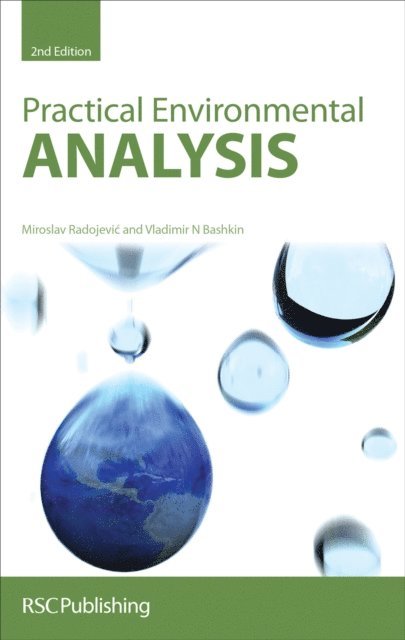
New techniques, improved understanding and changes in regulations relating to environmental analysis means that students, technicians and lecturers alike need an up-to-date guide to practical environmental analysis. This unique book provides detailed instructions for practical experiments in environmental analysis. The comprehensive coverage includes the chemical analysis of important pollutants in air, water, soil and plant tissue, and the experiments generally require only basic laboratory equipment and instrumentation. The content is supported by theoretical material explaining, amongst other concepts, the principles behind each method and the importance of various pollutants. Also included are suggestions for projects and worked examples. Appendices cover environmental standards, practical safety and laboratory practice. Building on the foundations laid by the highly acclaimed first edition, this new edition has been revised and updated to include information on new monitoring techniques, the Air Quality Index, internet resources and professional ethics. Like its predecessor, this informative text is certain to be valued as an indispensable guide to practical environmental analysis by students on a variety of science courses and their lecturers. Reviews of the first edition: "I strongly urge academics in chemistry, biology, botany, soil science, geography and environmental science departments to give [this book] serious consideration as a course text." Malcolm Cresser, Environment Department, University of York, UK "Destined to become a course text for many university courses ... a high quality, informative introductory text ... there should be multiple copies on most university's library shelves." Environmental Conservation
2 101 kr
Skickas inom 10-15 vardagar
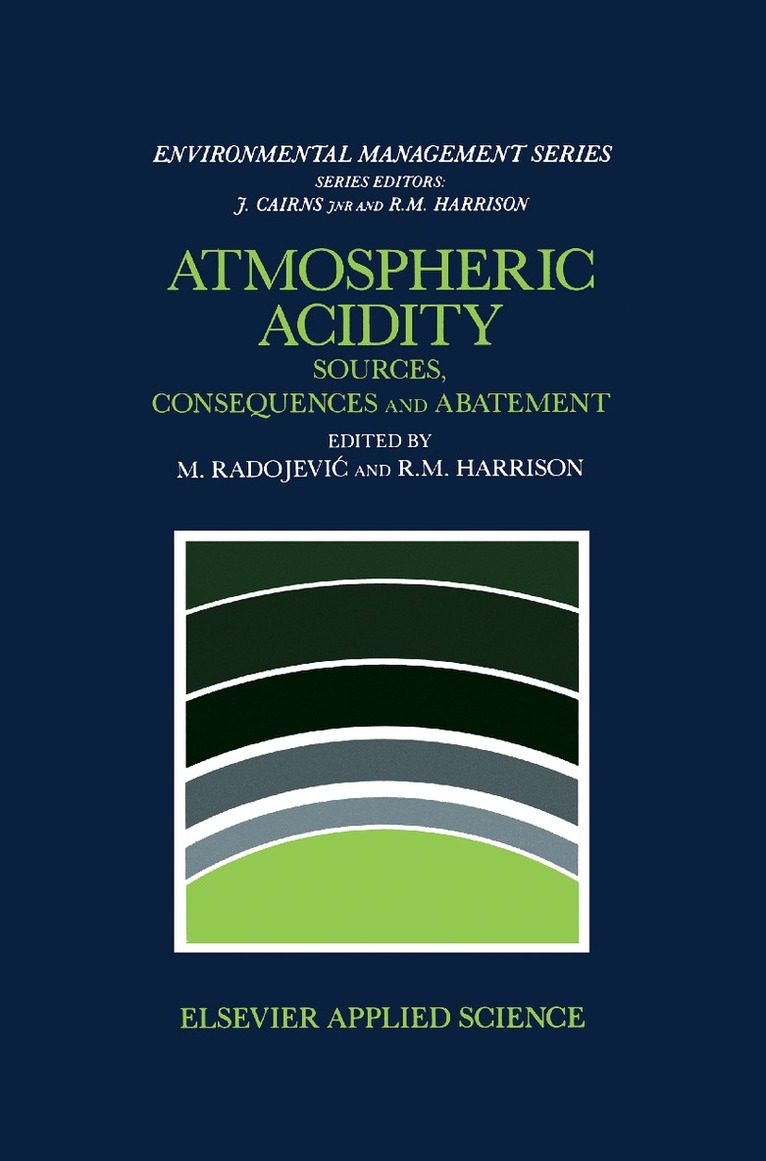
Acid rain and other forms of atmospheric acidity associated with pollution by oxides of sulphur and nitrogen have far reaching and varied consequences. The study of this problem draws on experience from a wide range of disciplines and involved field, laboratory and modelling investigations. The book is organized into three sections. Part 1 consists of a review of the sources, sinks and physio-chemical pathways of acidic compounds in the atmosphere, the extent of the problem, its history and methods of study. Part 2 outlines the environmental consequences of atmospheric acidity including human health effects. It includes summaries of laboratory, field and modelling studies and an analysis of topics such as forest decline, effects on lake ecosystems and damage to historical monuments. Part 3 discusses the technological, legal, socio-economic and political aspects of control strategies and reviews the effectiveness of the various measures employed to control the acid rain problem.