Mitja Brilly – författare
Visar alla böcker från författaren Mitja Brilly. Handla med fri frakt och snabb leverans.
6 produkter
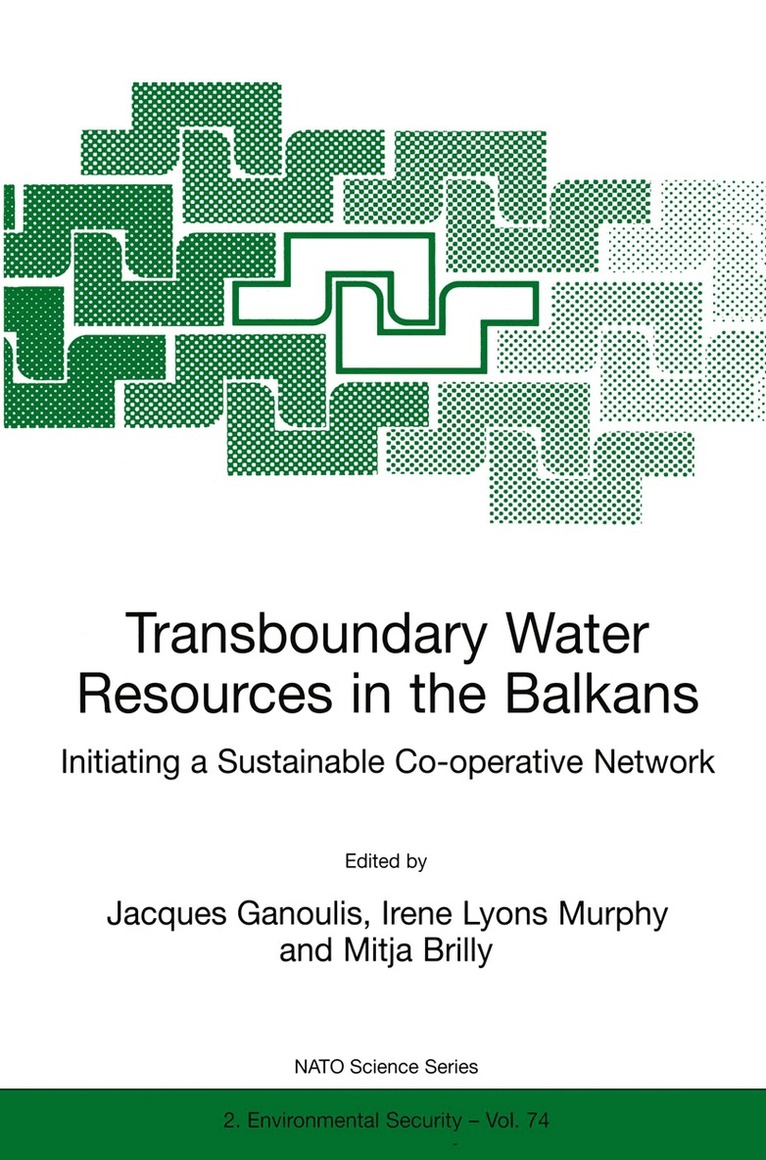
Transboundary Water Resources in the Balkans
Initiating a Sustainable Co-operative Network
Av Jacques Ganoulis, I.L. Murphy m. fl.
Inbunden, 2000
1093 kr
Lägg i varukorg
A source of up-to-date information on current water resources, their quality and quantity, in every country in the Balkans. Institutional structures, water management issues and water monitoring problems are analyzed, with special reference to international waters, using characteristic case …
Transboundary Water Resources in the Balkans
Initiating a Sustainable Co-operative Network
Av Jacques Ganoulis, I.L. Murphy m. fl.
Häftad, 2000
1093 kr
Lägg i varukorg
A source of up-to-date information on current water resources, their quality and quantity, in every country in the Balkans. Institutional structures, water management issues and water monitoring problems are analyzed, with special reference to international waters, using characteristic case …
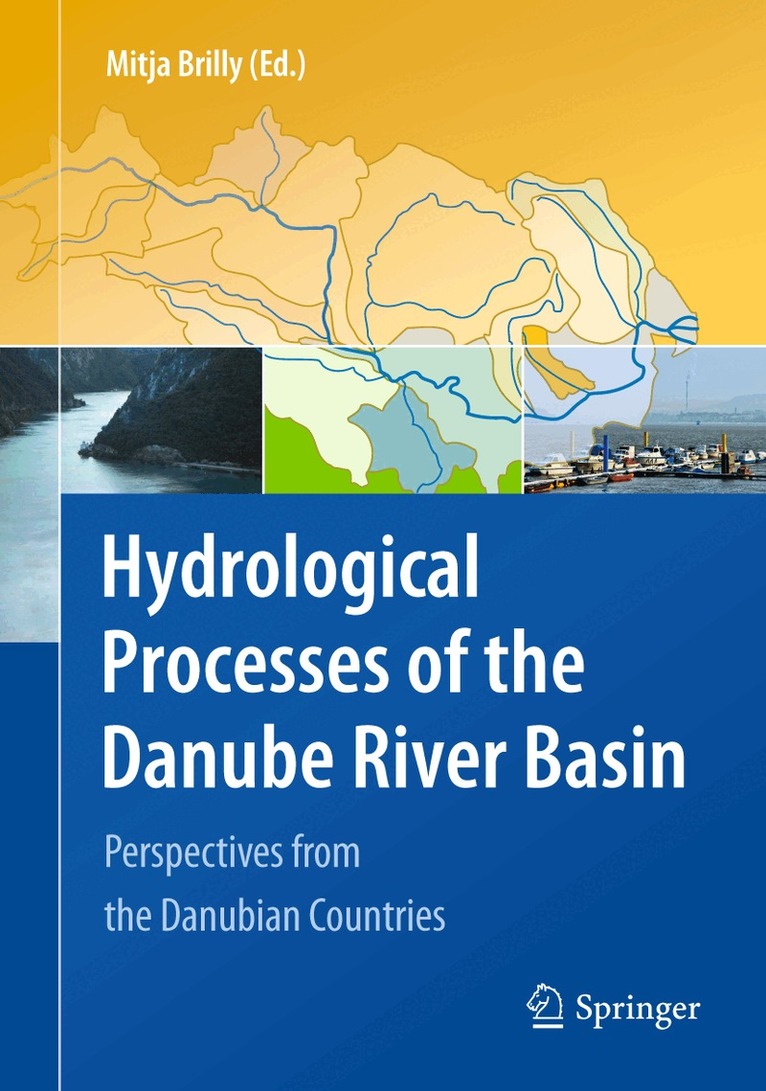
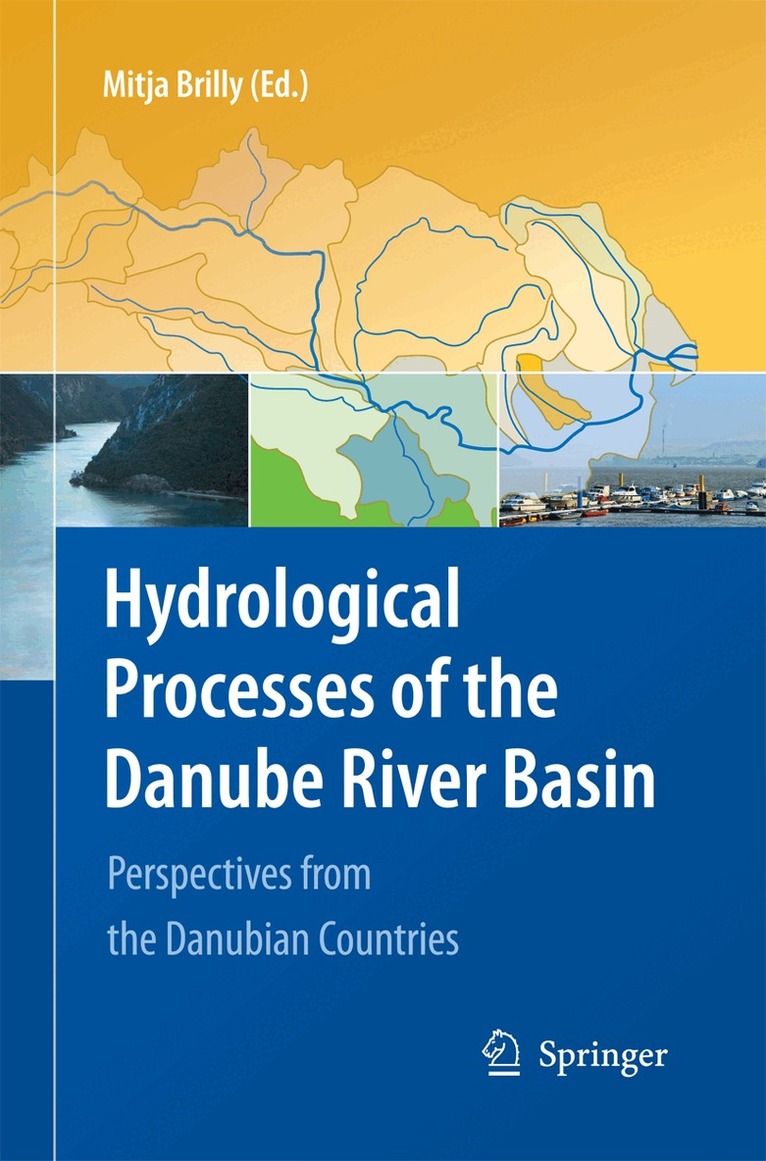
Hydrological Processes of the Danube River Basin
Perspectives from the Danubian Countries
Av Mitja Brilly
Inbunden, 2010
1636 kr
Lägg i varukorg
The Danube River Basin is shared by 19 countries and there is no river basin in the world shared by so many nations. Europe’s second largest river basin with a total 2 area of about 800,000 km is also home to 83 million people of different cultures, languages and historical backgrounds. Management …
Hydrological Processes of the Danube River Basin
Perspectives from the Danubian Countries
Av Mitja Brilly
E-bok, 2010
2111 kr
Lägg i varukorg
The Danube River Basin is shared by 19 countries and there is no river basin in the world shared by so many nations. Europe’s second largest river basin with a total 2 area of about 800,000 km is also home to 83 million people of different cultures, languages and historical backgrounds. Management …
Hydrological Processes of the Danube River Basin
Perspectives from the Danubian Countries
Av Mitja Brilly
Häftad, 2014
1636 kr
Lägg i varukorg
The Danube River Basin is shared by 19 countries and there is no river basin in the world shared by so many nations. Europe’s second largest river basin with a total 2 area of about 800,000 km is also home to 83 million people of different cultures, languages and historical backgrounds. Management …
Transboundary Water Resources in the Balkans
Initiating a Sustainable Co-operative Network
Av Mitja Brilly, I.L. Murphy m. fl.
E-bok, 2012
1413 kr
Lägg i varukorg
A source of up-to-date information on current water resources, their quality and quantity, in every country in the Balkans. Institutional structures, water management issues and water monitoring problems are analyzed, with special reference to international waters, using characteristic case …