I.L. Murphy – författare
Visar alla böcker från författaren I.L. Murphy. Handla med fri frakt och snabb leverans.
6 produkter
6 produkter
Inbunden, Engelska, 1996
1 073 kr
Skickas inom 10-15 vardagar
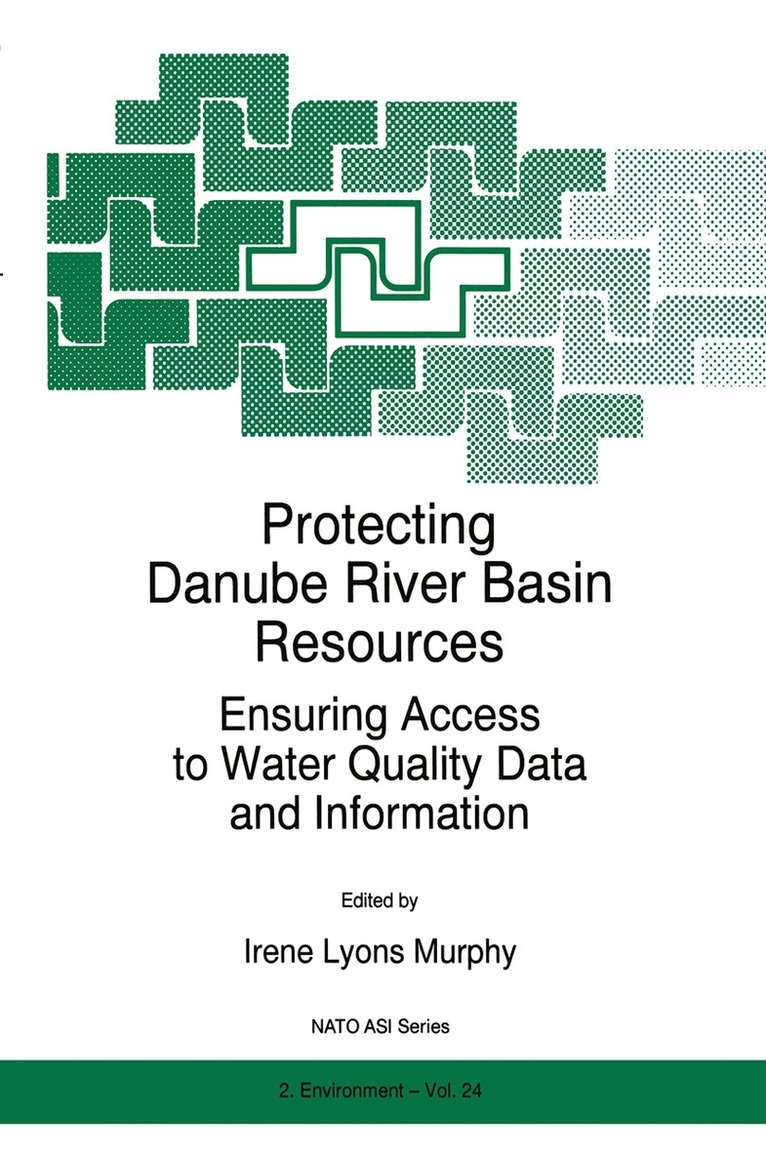
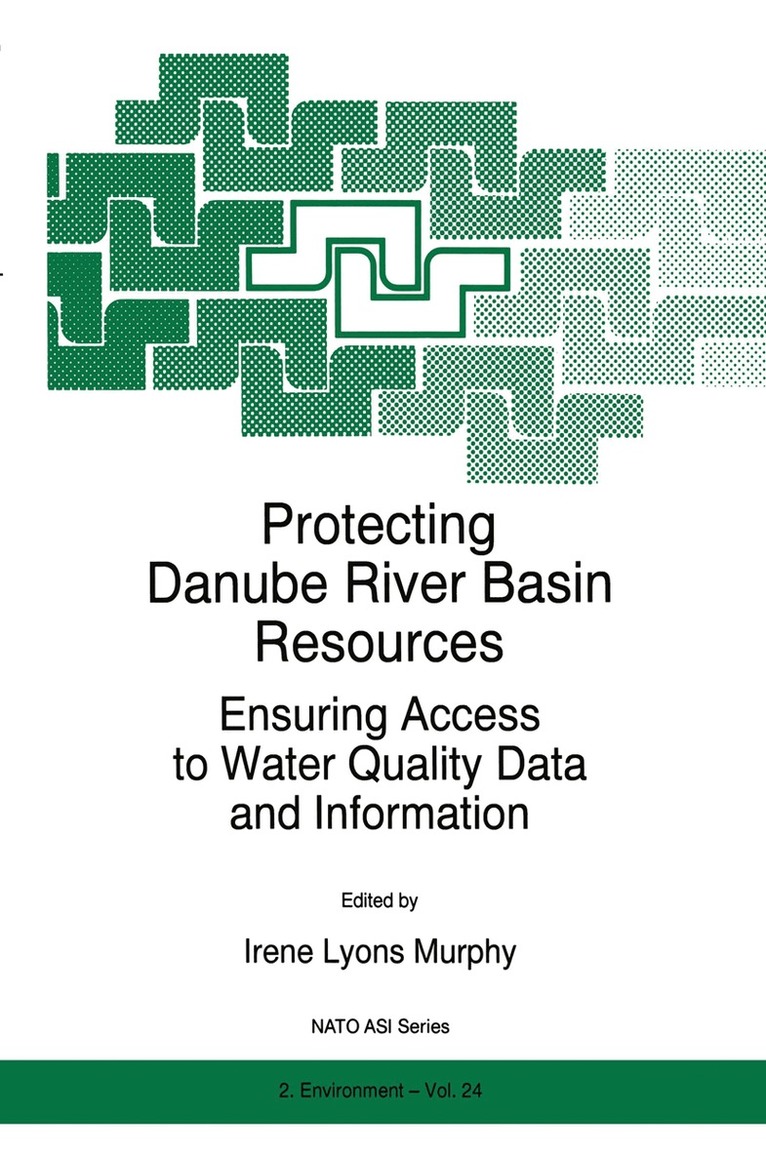
Eastern and Western, NATO partner and member country specialists discuss recent accomplishments in the sharing of timely, accurate data and information to protect the water resources of the Danube Basin, a strategic region shared by two Western and 11 former Communist countries. An International Commission, continuing the work of an ad hoc environmental management programme, is expected to take over in 1997 and may well adopt the recommendations of this timely workshop. These recommendations include the establishment of a central source of water quality data and information on levels of pollution, government standards and their enforcement, NGO environmental groups, and other programmes and policies. The editor, Dr. Irene Lyons Murphy, received support from the United States Institute of Peace during 1995- a study of the cooperative management of Danube River resources which began with the end of the Cold War. It analyzes the development and ratification of the Danube River Protection Convention and other aspects of joint pro-environment activities from 1991 to 1996. Its title The Danube: A River Basin in Transition is to be published in early 1997. Users, investors in new and/or joint business ventures, national and international governments, research scientists, the media, NGOs and the general public will be served on the Internet and through the distribution of CD-ROM and diskettes.
Inbunden, Engelska, 1997
1 073 kr
Skickas inom 10-15 vardagar
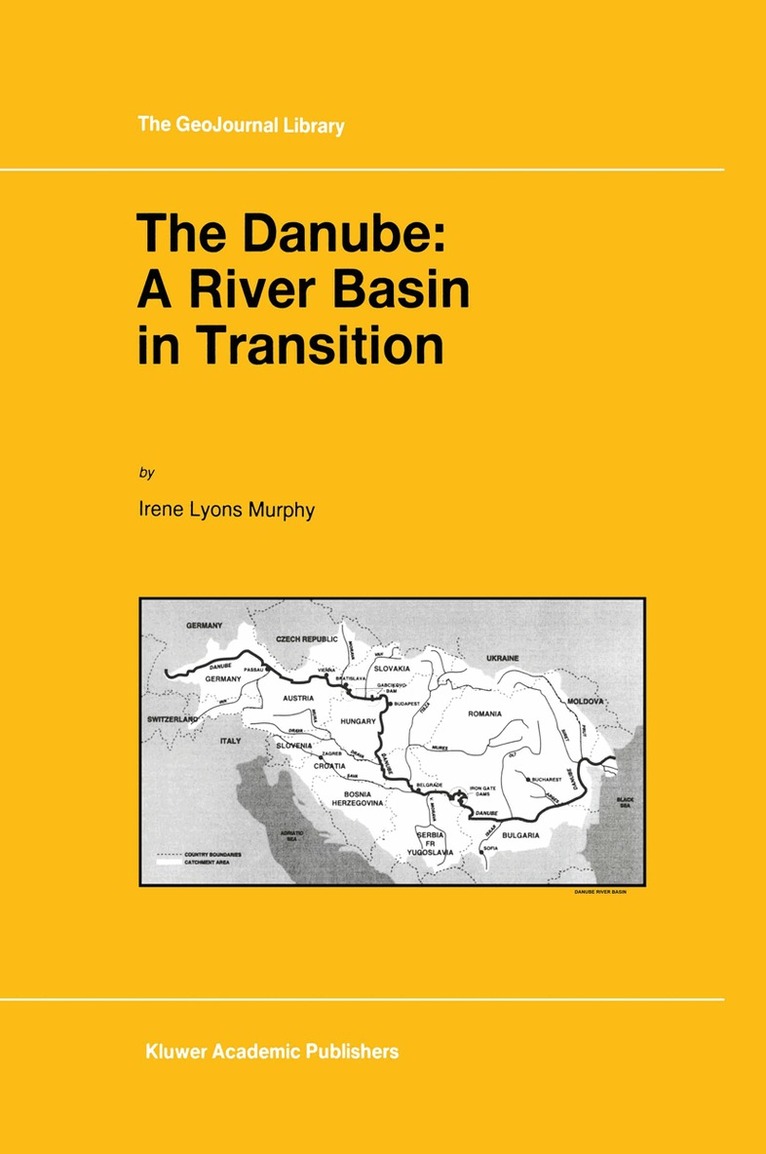
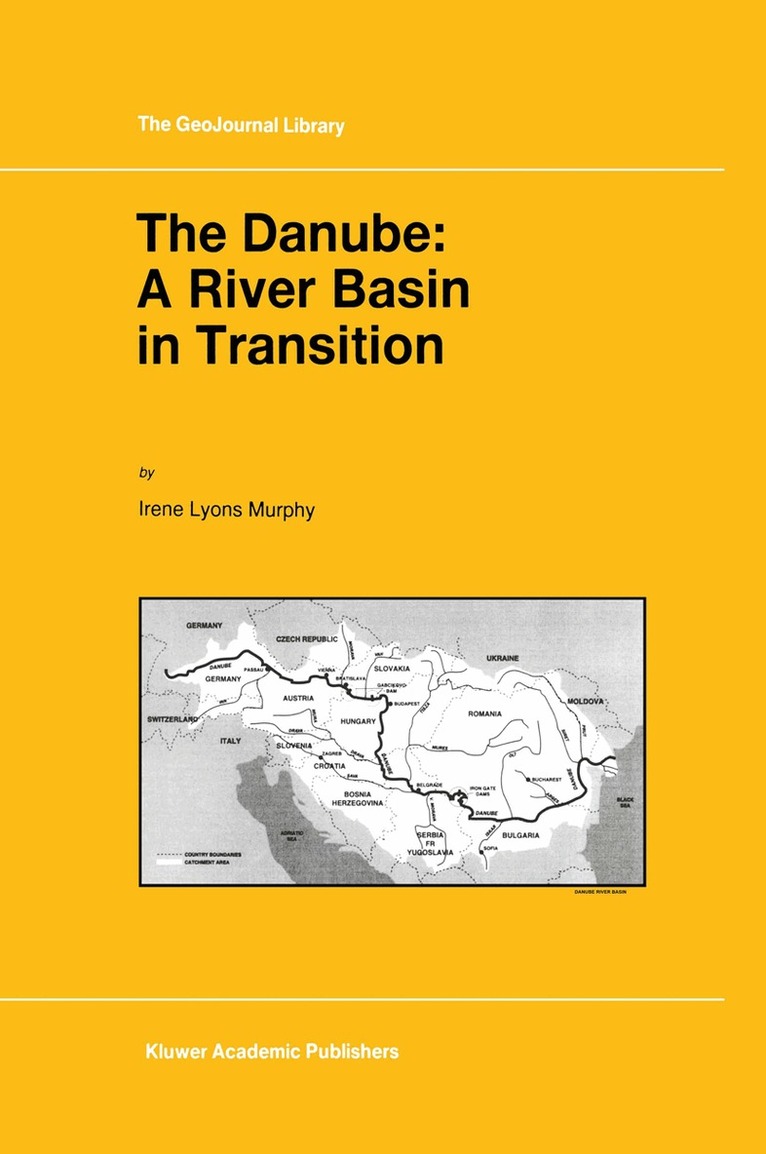
International river basins first captured my interest while I worked on water resource issues in the US Department of the Interior during the 1970s and '80s. I was especially intrigued with the way the US resolved long and recurring disputes with Mexico over the shared use of the Colorado River. The elements of decision making common to basins throughout the world were present in these transboundary conflicts and their resolution. In 1985 I began collaborating with Dr. Eleonora Sabadell, who was then a specialist in water resources at George Washington University and who is now with the US National Science Foundation, on analyses of several international river basin agreements. The work combined her expertise as a civil engineer and mine as a political scientist and practicing policy analyst. We wrote articles, participated in panel sessions, and in 1986 directed an international workshop at IIASA in Laxenburg, Austria. By no means ready to retire in 1989 I nevertheless began to thinkof leaving Interior to spend full time exploring the challenge, and intrinsic value, of transboundary river basin agreements. I applied for a Fulbright research grant to develop for the Danube River Basin one of the most needed tools for successful management of an international river, a basin-wide information system. My proposal, for nine-months' study at the Bulgarian Academy of Sciences, was filed with the Fulbright Program on September 1, 1989.
Del 74 - NATO Science Partnership Subseries: 2
Transboundary Water Resources in the Balkans
Initiating a Sustainable Co-operative Network
Inbunden, Engelska, 2000
1 073 kr
Skickas inom 10-15 vardagar
A source of up-to-date information on current water resources, their quality and quantity, in every country in the Balkans. Institutional structures, water management issues and water monitoring problems are analyzed, with special reference to international waters, using characteristic case studies, including the Sava River, Lake Ohrid, The Nestos/Mesta River, the Neretva River estuary, and coastal waters in Turkey. Contributions written by experts from France, the UK and the USA demonstrate state-of-the-art electronic networking and the management of distributed water databases. The protection of water resources in the Balkans has become a high profile issue since the collapse of communism in the area, the break up of former Yugoslavia, and ethnic tensions in Kosovo. Transboundary river pollution and the development of international water basins call demand urgent regional co-operation, which will be facilitated by the International Network of Water-Environment Centres for the Balkans, the initiation of which is described in the final conclusions of the book.
Del 74 - NATO Science Partnership Subseries: 2
Transboundary Water Resources in the Balkans
Initiating a Sustainable Co-operative Network
Häftad, Engelska, 2000
1 073 kr
Skickas inom 10-15 vardagar
A source of up-to-date information on current water resources, their quality and quantity, in every country in the Balkans. Institutional structures, water management issues and water monitoring problems are analyzed, with special reference to international waters, using characteristic case studies, including the Sava River, Lake Ohrid, The Nestos/Mesta River, the Neretva River estuary, and coastal waters in Turkey. Contributions written by experts from France, the UK and the USA demonstrate state-of-the-art electronic networking and the management of distributed water databases. The protection of water resources in the Balkans has become a high profile issue since the collapse of communism in the area, the break up of former Yugoslavia, and ethnic tensions in Kosovo. Transboundary river pollution and the development of international water basins call demand urgent regional co-operation, which will be facilitated by the International Network of Water-Environment Centres for the Balkans, the initiation of which is described in the final conclusions of the book.
Del 24 - NATO Science Partnership Subseries: 2
Protecting Danube River Basin Resources
Ensuring Access to Water Quality Data and Information
Häftad, Engelska, 2010
1 076 kr
Skickas inom 10-15 vardagar
Eastern and Western, NATO partner and member country specialists discuss recent accomplishments in the sharing of timely, accurate data and information to protect the water resources of the Danube Basin, a strategic region shared by two Western and 11 former Communist countries. An International Commission, continuing the work of an ad hoc environmental management programme, is expected to take over in 1997 and may well adopt the recommendations of this timely workshop. These recommendations include the establishment of a central source of water quality data and information on levels of pollution, government standards and their enforcement, NGO environmental groups, and other programmes and policies. The editor, Dr. Irene Lyons Murphy, received support from the United States Institute of Peace during 1995- a study of the cooperative management of Danube River resources which began with the end of the Cold War. It analyzes the development and ratification of the Danube River Protection Convention and other aspects of joint pro-environment activities from 1991 to 1996. Its title The Danube: A River Basin in Transition is to be published in early 1997. Users, investors in new and/or joint business ventures, national and international governments, research scientists, the media, NGOs and the general public will be served on the Internet and through the distribution of CD-ROM and diskettes.
Del 40 - GeoJournal Library
Danube: A River Basin in Transition
Häftad, Engelska, 2012
987 kr
Skickas inom 10-15 vardagar
International river basins first captured my interest while I worked on water resource issues in the US Department of the Interior during the 1970s and '80s. I was especially intrigued with the way the US resolved long and recurring disputes with Mexico over the shared use of the Colorado River. The elements of decision making common to basins throughout the world were present in these transboundary conflicts and their resolution. In 1985 I began collaborating with Dr. Eleonora Sabadell, who was then a specialist in water resources at George Washington University and who is now with the US National Science Foundation, on analyses of several international river basin agreements. The work combined her expertise as a civil engineer and mine as a political scientist and practicing policy analyst. We wrote articles, participated in panel sessions, and in 1986 directed an international workshop at IIASA in Laxenburg, Austria. By no means ready to retire in 1989 I nevertheless began to thinkof leaving Interior to spend full time exploring the challenge, and intrinsic value, of transboundary river basin agreements. I applied for a Fulbright research grant to develop for the Danube River Basin one of the most needed tools for successful management of an international river, a basin-wide information system. My proposal, for nine-months' study at the Bulgarian Academy of Sciences, was filed with the Fulbright Program on September 1, 1989.