Mitra Abbaspour – författare
Visar alla böcker från författaren Mitra Abbaspour. Handla med fri frakt och snabb leverans.
6 produkter
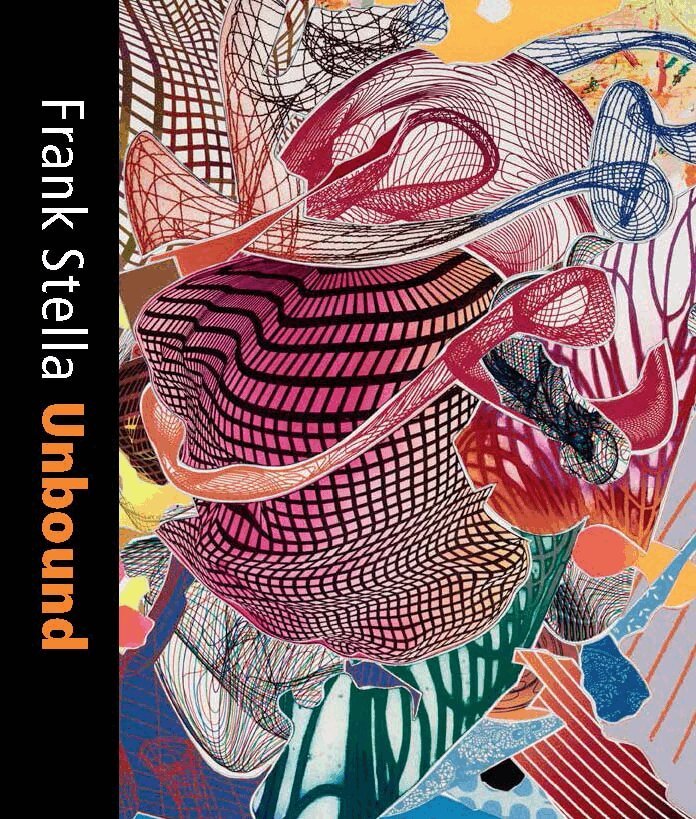
Frank Stella Unbound
Literature and Printmaking
Av Mitra Abbaspour, Calvin Brown m. fl.
Inbunden, 2018
298 kr
Lägg i varukorg
Focusing on the vital role of literature in the development of the artistic practice of Frank Stella (b. 1936), this insightful book looks at four transformative series of prints made between 1984 and 1999. Each of these series is named after a literary work—the Had Gadya (a playful song …
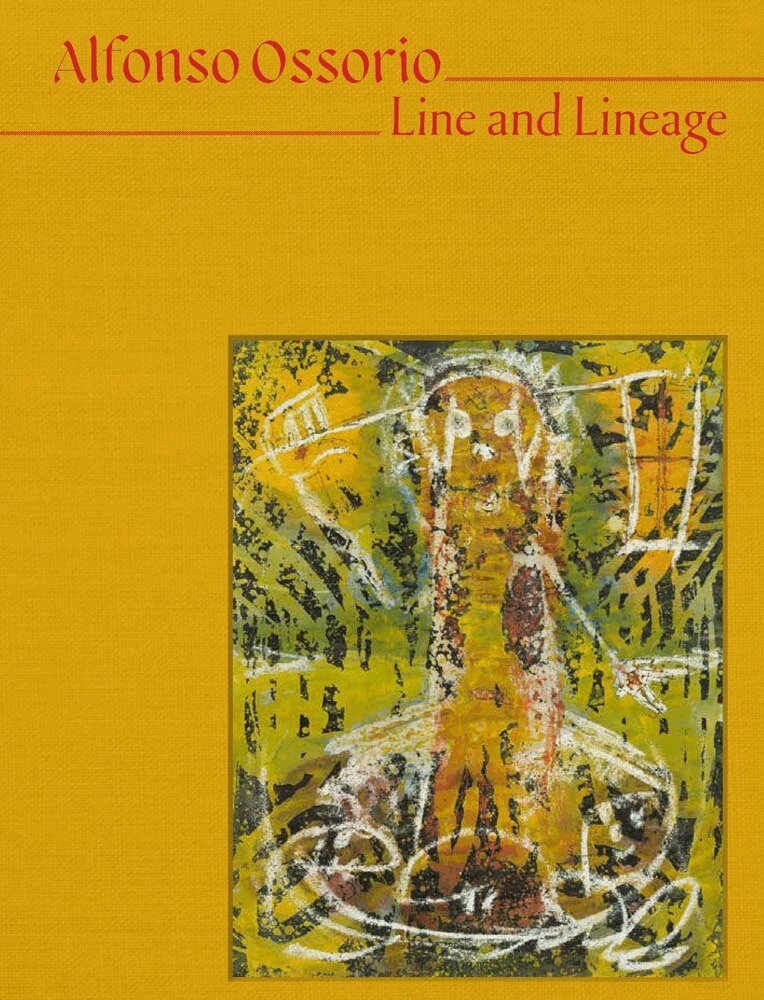
Alfonso Ossorio
Line and Lineage
Av Mitra Abbaspour, Ally Cirelli
Inbunden, 2027
251 kr
Kommande
A fresh perspective on an understudied artist who engaged with avant-garde circles throughout the 20th century and remains a catalyst for artists todayFilipino American artist Alfonso Ossorio (1916–1990) is celebrated for his detailed woodcuts and ink drawings, as well as for his sculptural …
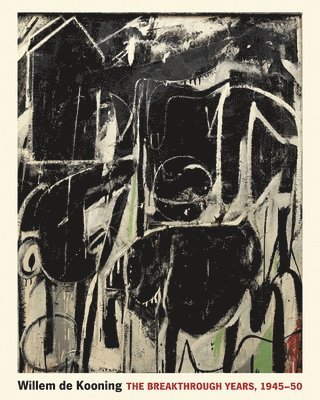
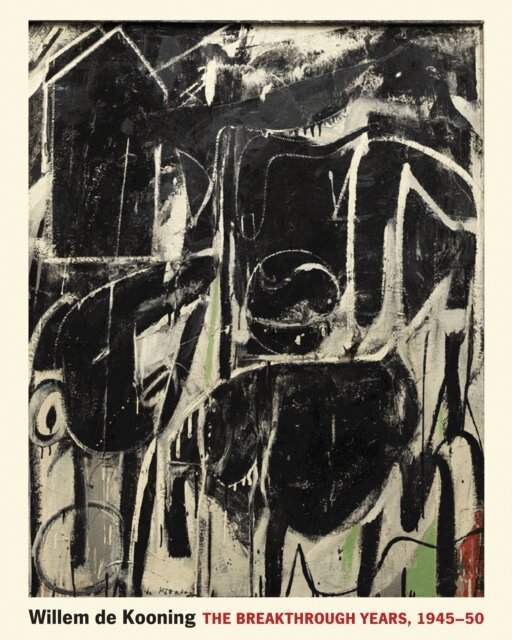
Willem de Kooning
The Breakthrough Years, 1945–50
Av John Elderfield, Mitra Abbaspour m. fl.
Inbunden, 2026
405 kr
Lägg i varukorg
A fascinating examination of a formative time in the iconic artist’s careerIn 1948, Willem de Kooning held his first solo exhibition, at age forty-four, at the Charles Egan Gallery in New York City. Willem de Kooning: The Breakthrough Years explores how the painter developed his distinctive style …
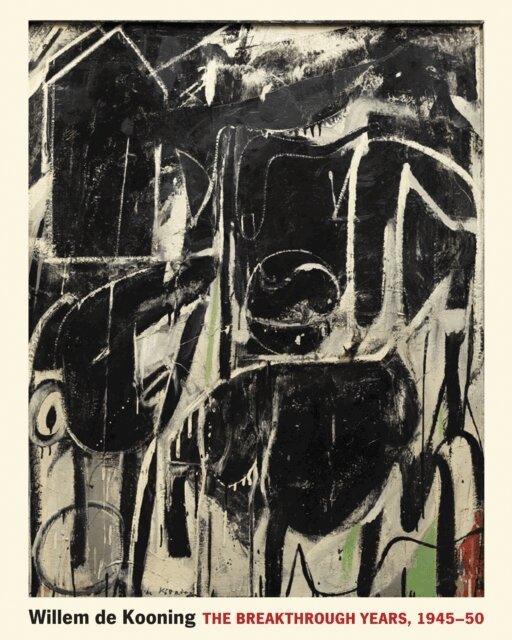
Willem de Kooning
The Breakthrough Years, 1945-50
Av Lee Colon, Mitra Abbaspour m. fl.
E-bok, 2026
546 kr
Lägg i varukorg
A fascinating examination of a formative time in the iconic artist's careerIn 1948, Willem de Kooning held his first solo exhibition, at age forty-four, at the Charles Egan Gallery in New York City. Willem de Kooning: The Breakthrough Years explores how the painter developed his distinctive style …
Willem de Kooning
The Breakthrough Years, 1945-50
Av Lee Colon, Mitra Abbaspour m. fl.
E-bok, 2026
558 kr
Lägg i varukorg
A fascinating examination of a formative time in the iconic artist's careerIn 1948, Willem de Kooning held his first solo exhibition, at age forty-four, at the Charles Egan Gallery in New York City. Willem de Kooning: The Breakthrough Years explores how the painter developed his distinctive style …
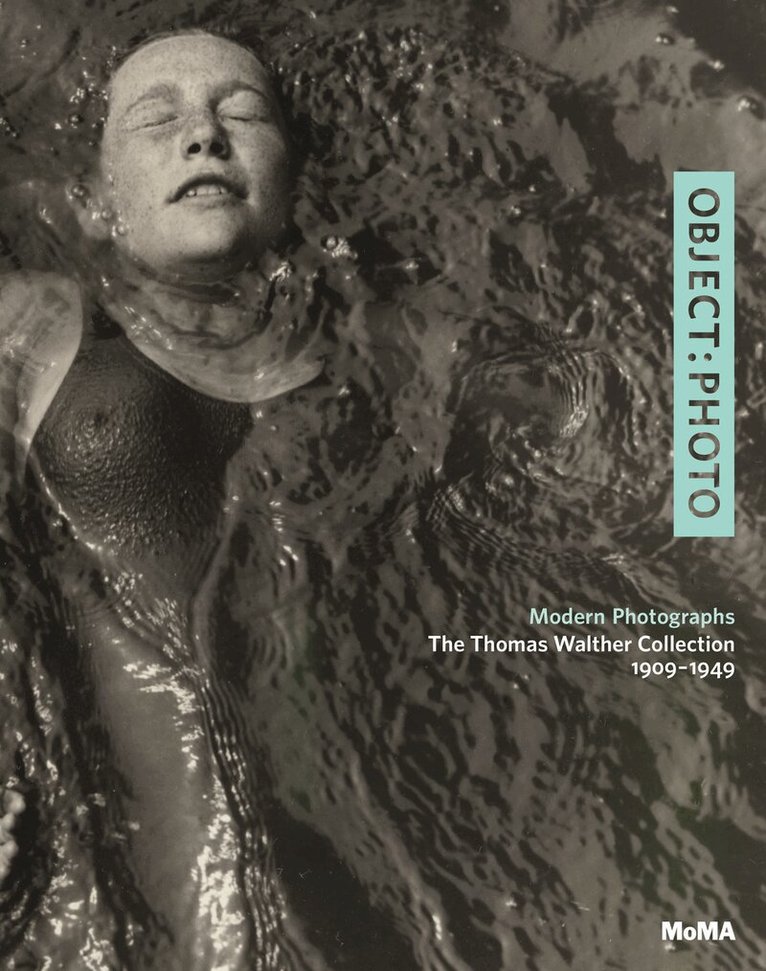
OBJECT: PHOTO
Modern Photographs: The Thomas Walther Collection 1909-1949
Av Mitra Abbaspour, Lee Ann Daffner m. fl.
Inbunden, 2014
455 kr
Lägg i varukorg
OBJECT:PHOTO shifts the dialogue about modernist photography from an emphasis on the subject and the image to the actual photographic object, created by a certain artist at a particular time and present today in its unique physicality. This shift is especially significant for a study of the period …