Mohammad Naeimi – författare
Visar alla böcker från författaren Mohammad Naeimi. Handla med fri frakt och snabb leverans.
5 produkter
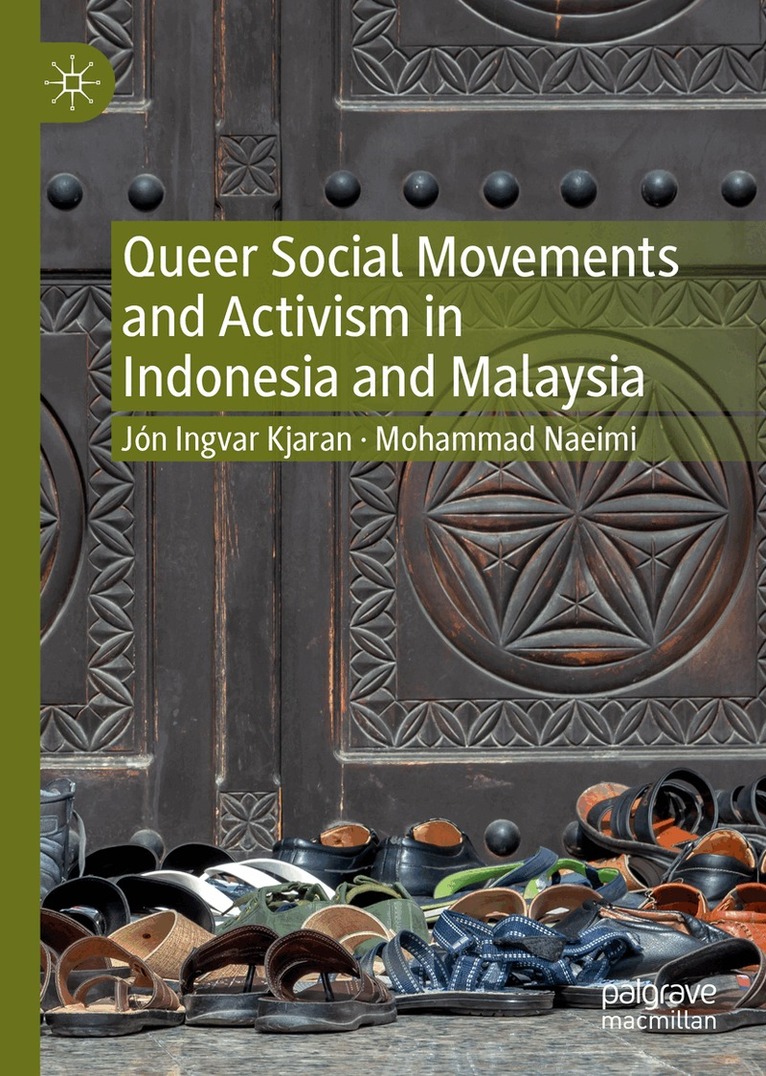
Queer Social Movements and Activism in Indonesia and Malaysia
Av Jón Ingvar Kjaran, Mohammad Naeimi
Inbunden, 2022
1431 kr
Lägg i varukorg
This book examines queer activism and queer social movements (QSMs) in Indonesia and Malaysia, broadly engaging with these topics on three different levels: macro (global and national discourses), meso (organizational level – activities), and micro (individual – the activist). The micro level …
Queer Social Movements and Activism in Indonesia and Malaysia
Av Mohammad Naeimi, Jon Ingvar Kjaran
E-bok, 2022
1785 kr
Lägg i varukorg
This book examines queer activism and queer social movements (QSMs) in Indonesia and Malaysia, broadly engaging with these topics on three different levels: macro (global and national discourses), meso (organizational level – activities), and micro (individual – the activist). The micro level …
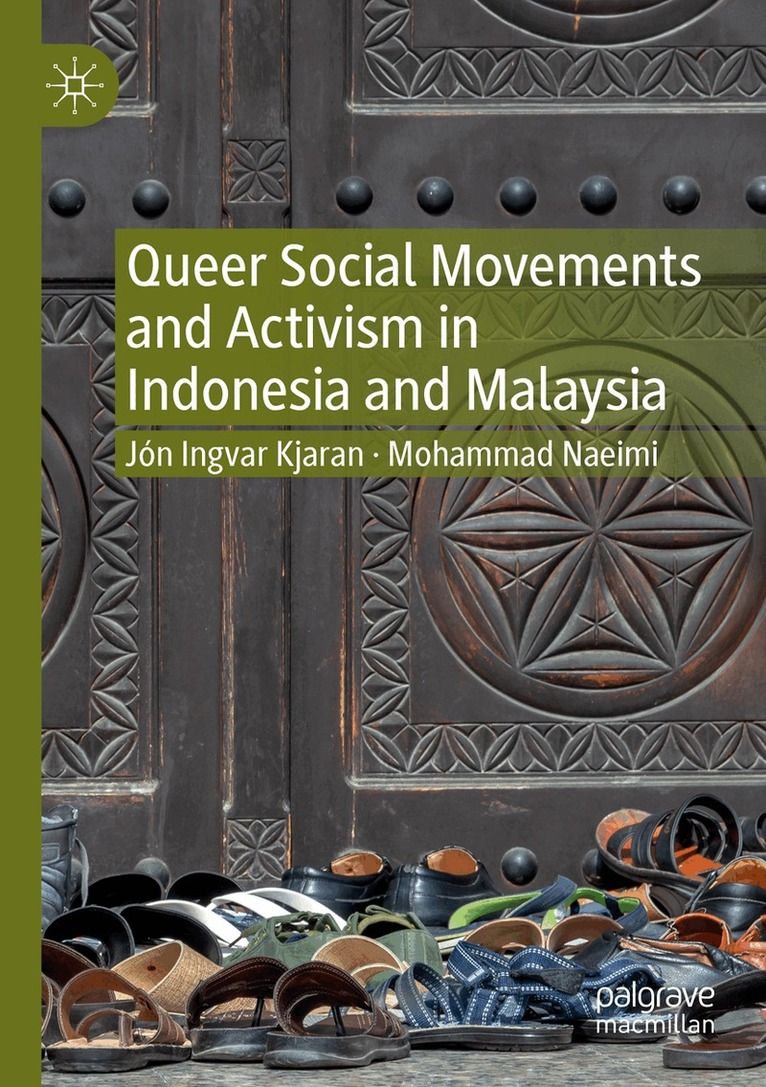
Queer Social Movements and Activism in Indonesia and Malaysia
Av Jón Ingvar Kjaran, Mohammad Naeimi
Häftad, 2023
1431 kr
Lägg i varukorg
This book examines queer activism and queer social movements (QSMs) in Indonesia and Malaysia, broadly engaging with these topics on three different levels: macro (global and national discourses), meso (organizational level – activities), and micro (individual – the activist). The micro level …
Queering Iceland
Activism and the Politics of Public Pedagogy, 1975-2000
Av Jón Ingvar Kjaran, Mohammad Naeimi m. fl.
Inbunden, 2026
1467 kr
Lägg i varukorg
This book provides a historical and contemporary analysis of queer activism in Iceland, and its historical, political, and cultural context. Starting with the Samtökin 78, the first gay and lesbian organization in Iceland, and progressing through the year 2000, the authors present the gay …
Queering Iceland
Activism and the Politics of Public Pedagogy, 1975-2000
Av Þorvaldur Kristinsson, Mohammad Naeimi m. fl.
E-bok, 2026
1798 kr
Lägg i varukorg
This book provides a historical and contemporary analysis of queer activism in Iceland, and its historical, political, and cultural context. Starting with the Samtökin 78, the first gay and lesbian organization in Iceland, and progressing through the year 2000, the authors present the gay …