Moisés Arce - Böcker
Visar alla böcker från författaren Moisés Arce. Handla med fri frakt och snabb leverans.
7 produkter
7 produkter
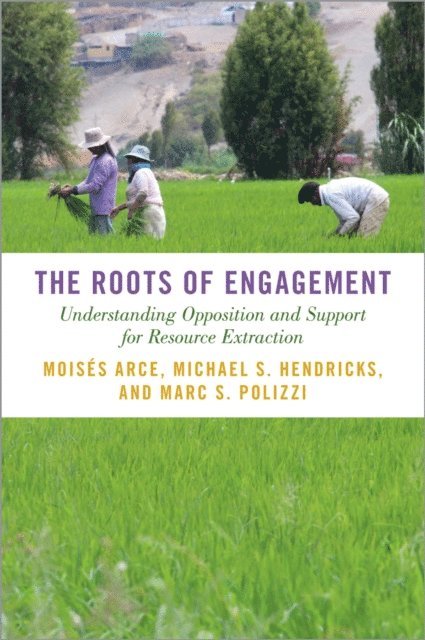
The Roots of Engagement
Understanding Opposition and Support for Resource Extraction
Inbunden, Engelska, 2022
1 132 kr
Skickas inom 5-8 vardagar
In recent years, emerging economies in the Global South have increased the overall demand for raw materials and bolstered the price of oil, minerals, and other commodities. As a result, resource-rich countries in Latin America and Sub-Saharan Africa have experienced an important economic bonanza and reduced levels of poverty and inequality. However, for communities living near the extractive frontier, mining has caused serious environmental degradation, and many in these communities have protested local extractive industries. Departing from the existing literature, The Roots of Engagement examines the individual-level factors that shape a person's opinions over resource extraction. It looks at what makes some individuals accept extractive activities close to their homes, while other individuals strongly reject them. Moreover, it asks why some individuals focus on the potential benefits of employment and local development, while other individuals focus on the defense of livelihoods and the ecological risks associated with mining. Moisés Arce, Michael S. Hendricks, and Marc S. Polizzi find that an individual's level of social engagement--defined by a person's participation in local organizations--is critical for understanding these differences. The greater the participation in local organizations, they argue, the greater the rejection of proposed mining activities. This individual-level approach unveils the fluidity of attitudes over resource extraction, even in areas that appear uniformly opposed to mining; the processes of attitude formation rooted in micro-politics and collective behaviors; and a cross-regional perspective on campaigns against mining. Based on three original public opinion surveys and interviews conducted in Tía María in Peru, Fuleni in South Africa, and Rancho Grande in Nicaragua, The Roots of Engagement is the first book to measure social engagement in organizations and its connection to attitudes about extraction and development.
Market Reform in Society
Post-Crisis Politics and Economic Change in Authoritarian Peru
Häftad, Engelska, 2006
571 kr
Skickas inom 5-8 vardagar
Going beyond the usual state-centric approach to the study of the politics of neoliberal reform, Moisés Arce emphasizes the importance of understanding the interaction between state reformers and collective actors in society. In Market Reform in Society he helpfully focuses our attention on how various societal groups are affected by different types of reform and how their responses in turn affect the state’s subsequent pursuit of reform. As a country characterized by strong state autonomy and widespread disintegration of civil society and representative institutions during the 1990s when Alberto Fujimori was president, Peru serves as an excellent case for examining how collective actors can succeed in influencing the reform process. Arce compares reforms in three areas: taxation, pension privatization, and social-sector programs in poverty alleviation and health decentralization. Differences in the concentration or dispersion of costs and benefits, he shows, affected incentives for groups to form and engage in collective action for supporting, opposing, or modifying the reforms.
604 kr
Skickas inom 7-10 vardagar
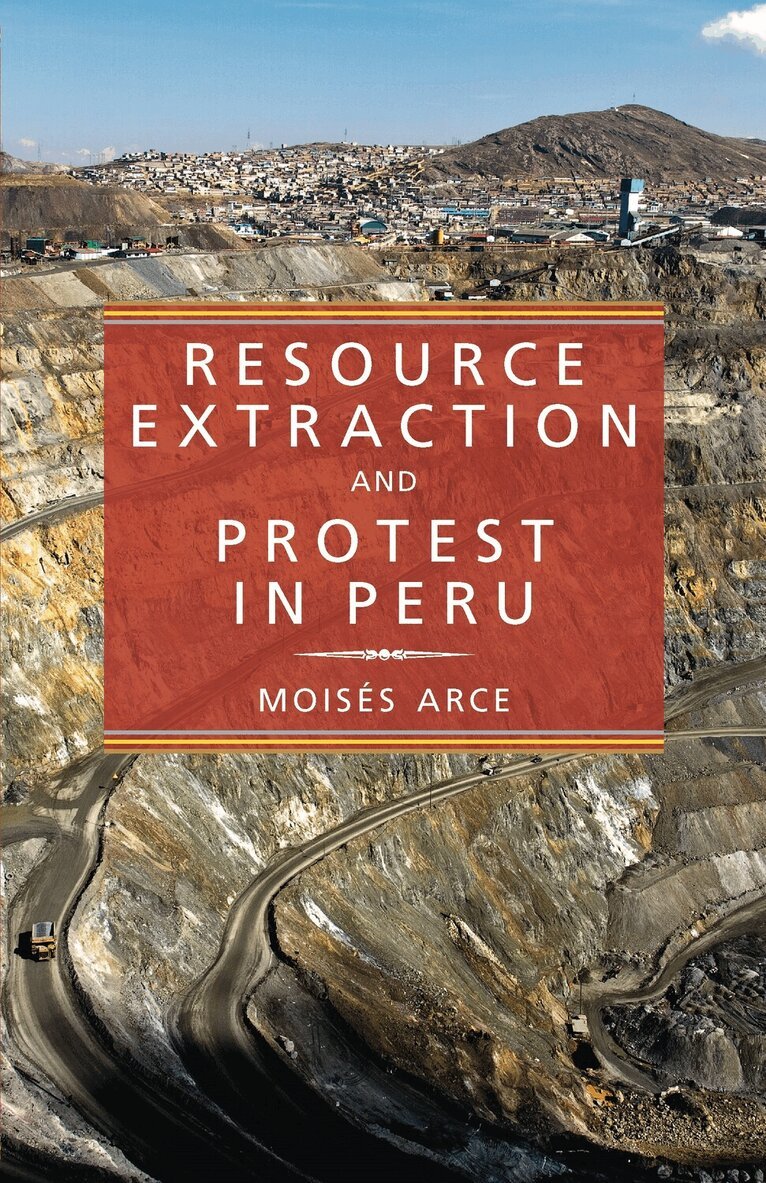
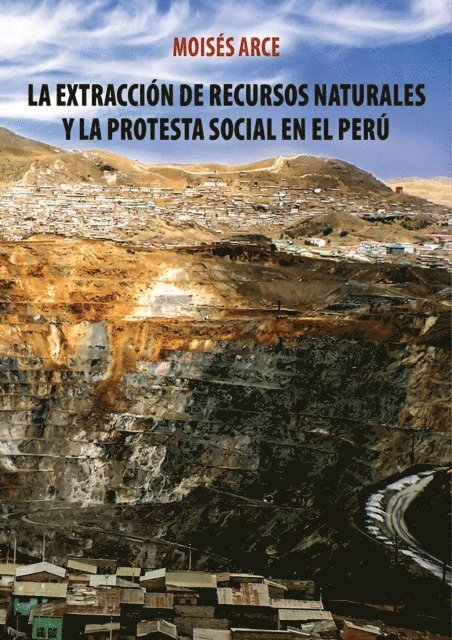
Natural resource extraction has fueled protest movements in Latin America and existing research has drawn considerable scholarly attention to the politics of antimarket contention at the national level, particularly in Ecuador, Bolivia, and Argentina. Despite its residents reporting the third-highest level of protest participation in the region, Peru has been largely ignored in these discussions.In this groundbreaking study, Moisés Arce exposes a longstanding climate of popular contention in Peru. Looking beneath the surface to the subnational, regional, and local level as inception points, he rigorously dissects the political conditions that set the stage for protest. Focusing on natural resource extraction and its key role in the political economy of Peru and other developing countries, Arce reveals a wide disparity in the incidence, forms, and consequences of collective action.Through empirical analysis of protest events over thirty-one years, extensive personal interviews with policymakers and societal actors, and individual case studies of major protest episodes, Arce follows the ebb and flow of Peruvian protests over time and space to show the territorial unevenness of democracy, resource extraction, and antimarket contentions. Employing political process theory, Arce builds an interactive framework that views the moderating role of democracy, the quality of institutional representation as embodied in political parties, and most critically, the level of political party competition as determinants in the variation of protest and subsequent government response. Overall, he finds that both the fluidity and fragmentation of political parties at the subnational level impair the mechanisms of accountability and responsiveness often attributed to party competition. Thus, as political fragmentation increases, political opportunities expand, and contention rises. These dynamics in turn shape the long-term development of the state.Resource Extraction and Protest in Peru will inform students and scholars of globalization, market transitions, political science, contentious politics and Latin America generally, as a comparative analysis relating natural resource extraction to democratic processes both regionally and internationally.
796 kr
Skickas inom 7-10 vardagar
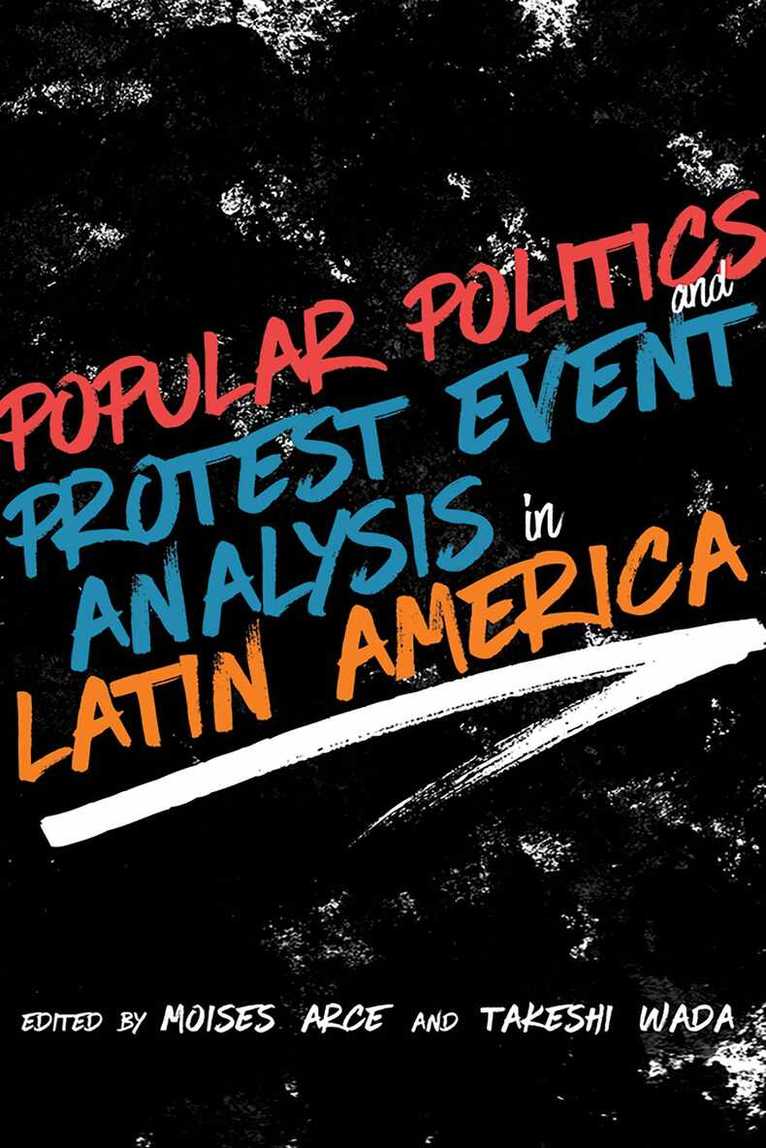
The arrival of democracy and globalization was a watershed moment for Latin America. It produced a changing political and economic environment, where democracy provided challengers with expanding political opportunities but globalization precipitated economic threats to livelihoods and human welfare. This changing environment removed the state from modes of political representation, such as urban labor movements and their affiliated mass-party organizations, while unleashing more pluralistic, heterogenous, and decentralized patterns of popular representation. Reducing its role in production, the state became mostly a regulator of economic activities.Arce and Wada's volume examines the consequences of democracy and globalization on popular protests in Latin America, theorizing a broad shift of popular politics involving reactive and proactive mobilizations. A collaboration of sixteen distinguished scholars with different specializations (economists, historians, sociologists, and political scientists) in both the Global North and South, the volume provides a unique collection of studies of protest events in ten Latin American countries: Bolivia, Brazil, Chile, Colombia, Costa Rica, Ecuador, Mexico, Nicaragua, Peru, and Venezuela.
591 kr
Skickas inom 3-6 vardagar
As the very foundations of democracy are under stress in many parts of the world, this timely and important work examines the consequences of democracy and economic globalization on popular protests throughout Latin America. The arrival of democracy and globalization was a watershed moment for Latin America. It produced a changing political and economic environment, where democracy provided challengers with expanding political opportunities but globalization precipitated economic threats to livelihoods and human welfare. This changing environment removed the state from modes of political representation, such as urban labor movements and their affiliated mass-party organizations, while unleashing more pluralistic, heterogenous, and decentralized patterns of popular representation. Reducing its role in production, the state became mostly a regulator of economic activities. Arce and Wada’s volume examines the consequences of democracy and globalization on popular protests in Latin America, theorizing a broad shift of popular politics involving reactive and proactive mobilizations. A collaboration of sixteen distinguished scholars with different specializations (economists, historians, sociologists, and political scientists) in both the Global North and South, the volume provides a unique collection of studies of protest events in ten Latin American countries: Bolivia, Brazil, Chile, Colombia, Costa Rica, Ecuador, Mexico, Nicaragua, Peru, and Venezuela.
367 kr
Skickas inom 10-15 vardagar
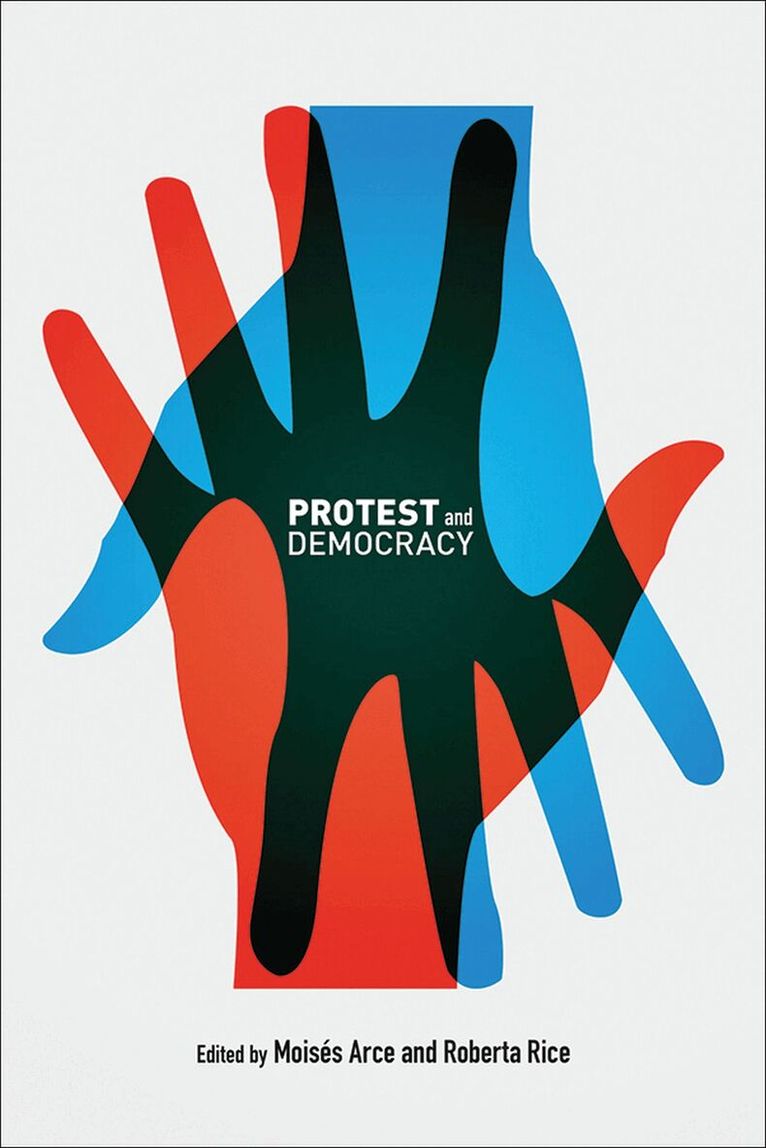
In 2011, political protests sprang up across the world. In the Middle East, Europe, Latin America, the United States unlikely people sparked or led massive protest campaigns from the Arab Spring to Occupy Wall Street. These protests were made up of educated and precariously employed young people who challenged the legitimacy of their political leaders, exposed a failure of representation, and expressed their dissatisfaction with their place in the aftermath of financial and economic crisis. This book interrogates what impacts, if any, this global protest cycle had on politics and policy and shows the sometimes unintended ways it continues to influence contemporary political dynamics throughout the world. Proposing a new framework of analysis that calls attention to the content and claims of protests, their global connections, and the responsiveness of political institutions to protest demands, this is one of the few books that not only asks how protest movements are formed but also provides an in-depth examination of what protest movements can accomplish.With contributions examining the political consequences of protest, the roles of social media and the internet in protest organization, left- and right-wing movements in the United States, Chile's student movements, the Arab Uprisings, and much more this collection is essential reading for all those interested in the power of protest to shape our world.
807 kr
Skickas inom 10-15 vardagar
In 2011, political protests sprang up across the world. In the Middle East, Europe, Latin America, the United States unlikely people sparked or led massive protest campaigns from the Arab Spring to Occupy Wall Street. These protests were made up of educated and precariously employed young people who challenged the legitimacy of their political leaders, exposed a failure of representation, and expressed their dissatisfaction with their place in the aftermath of financial and economic crisis.This book interrogates what impacts—if any—this global protest cycle had on politics and policy and shows the sometimes unintended ways it continues to influence contemporary political dynamics throughout the world. Proposing a new framework of analysis that calls attention to the content and claims of protests, their global connections, and the responsiveness of political institutions to protest demands, this is one of the few books that not only asks how protest movements are formed but also provides an in-depth examination of what protest movements can accomplish.With contributions examining the political consequences of protest, the roles of social media and the internet in protest organization, left- and right-wing movements in the United States, Chile's student movements, the Arab Uprisings, and much more this collection is essential reading for all those interested in the power of protest to shape our world.