Moon-Ho Jung - Böcker
Visar alla böcker från författaren Moon-Ho Jung. Handla med fri frakt och snabb leverans.
5 produkter
5 produkter
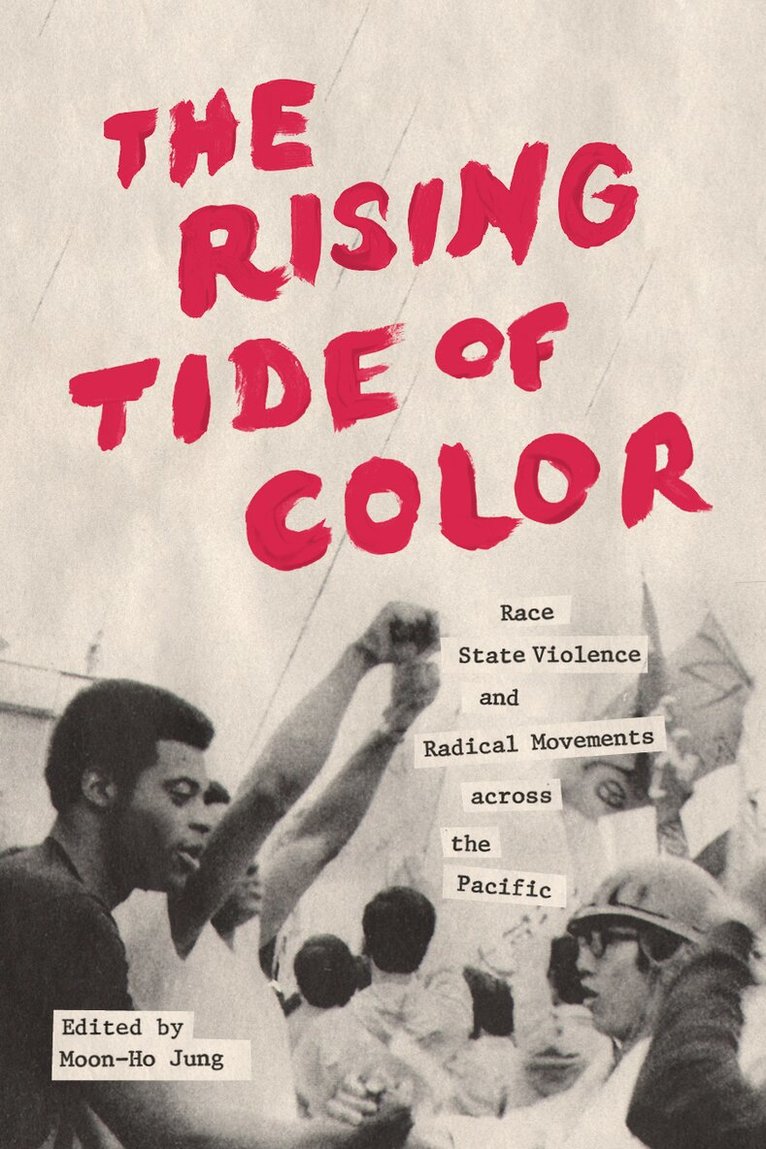
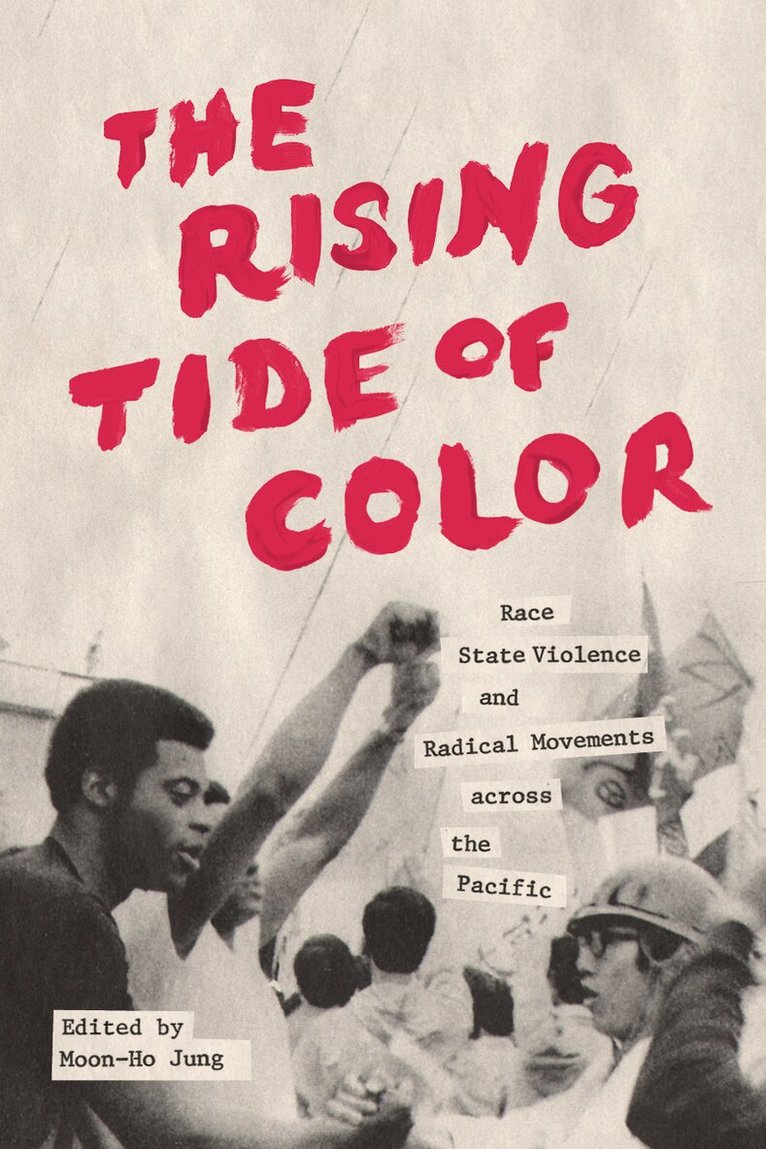
Rising Tide of Color
Race, State Violence, and Radical Movements across the Pacific
Häftad, Engelska, 2015
442 kr
Skickas inom 7-10 vardagar
The Rising Tide of Color challenges familiar narratives of race in American history that all too often present the U.S. state as a benevolent force in struggles against white supremacy, especially in the South. Featuring a wide range of scholars specializing in American history and ethnic studies, this powerful collection of essays highlights historical moments and movements on the Pacific Coast and across the Pacific to reveal a different story of race and politics. From labor and anticolonial activists around World War I and multiracial campaigns by anarchists and communists in the 1930s to the policing of race and sexuality after World War II and transpacific movements against the Vietnam War, The Rising Tide of Color brings to light histories of race, state violence, and radical movements that continue to shape our world in the twenty-first century.
Del 63 - American Crossroads
Menace to Empire
Anticolonial Solidarities and the Transpacific Origins of the US Security State
Inbunden, Engelska, 2022
250 kr
Skickas inom 7-10 vardagar
One of Smithsonian Magazine's Favorite Books of 2022This history reveals how radical threats to the United States empire became seditious threats to national security and exposes the antiradical and colonial origins of anti-Asian racism.Menace to Empire transforms familiar themes in American history. This profoundly ambitious history of race and empire traces both the colonial violence and the anticolonial rage that the United States spread across the Pacific between the Philippine-American War and World War II. Moon-Ho Jung argues that the US national security state as we know it was born out of attempts to repress and silence anticolonial subjects, from the Philippines and Hawaiʻi to California and beyond. Jung examines how various revolutionary movements spanning the Pacific confronted the US empire. In response, the US state closely monitored and brutally suppressed those movements, exaggerating fears of pan-Asian solidarities and sowing anti-Asian racism. Radicalized by their opposition to the US empire and racialized as threats to US security, peoples in and from Asia pursued a revolutionary politics that engendered and haunted the national security state—the heart and soul of the US empire ever since.
Del 63 - American Crossroads
Menace to Empire
Anticolonial Solidarities and the Transpacific Origins of the US Security State
Häftad, Engelska, 2023
250 kr
Skickas inom 7-10 vardagar
One of Smithsonian Magazine's Favorite Books of 2022This history reveals how radical threats to the United States empire became seditious threats to national security and exposes the antiradical and colonial origins of anti-Asian racism.Menace to Empire transforms familiar themes in American history. This profoundly ambitious history of race and empire traces both the colonial violence and the anticolonial rage that the United States spread across the Pacific between the Philippine-American War and World War II. Moon-Ho Jung argues that the US national security state as we know it was born out of attempts to repress and silence anticolonial subjects, from the Philippines and Hawaiʻi to California and beyond. Jung examines how various revolutionary movements spanning the Pacific confronted the US empire. In response, the US state closely monitored and brutally suppressed those movements, exaggerating fears of pan-Asian solidarities and sowing anti-Asian racism. Radicalized by their opposition to the US empire and racialized as threats to US security, peoples in and from Asia pursued a revolutionary politics that engendered and haunted the national security state—the heart and soul of the US empire ever since.
443 kr
Tillfälligt slut
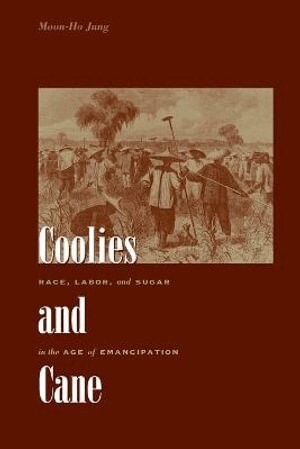
How did thousands of Chinese migrants end up working alongside African Americans in Louisiana after the Civil War? With the stories of these workers, "Coolies and Cane" advances an interpretation of emancipation that moves beyond U.S. borders and the black-white racial dynamic. Tracing American ideas of Asian labor to the sugar plantations of the Caribbean, Moon-Ho Jung argues that the racial formation of "coolies" in American culture and law played a pivotal role in reconstructing concepts of race, nation, and citizenship in the United States. Jung examines how coolies appeared in major U.S. political debates on race, labor, and immigration between the 1830s and 1880s. He finds that racial notions of coolies were articulated in many, often contradictory, ways. They marked the progress of freedom; they symbolized the barbarism of slavery. Welcomed and rejected as neither black nor white, coolies emerged recurrently as both the salvation of the fracturing and reuniting nation and the scourge of American civilization.Based on a wealth of archival research, this study makes sense of these contradictions to reveal how American impulses to recruit and exclude coolies enabled and justified a series of historical transitions: from slave-trade laws to racially coded immigration laws, from a slaveholding nation to a "nation of immigrants," and from a continental empire of manifest destiny to a liberating empire across the seas. Combining political, cultural, and social history, "Coolies and Cane" is a compelling study of race, Reconstruction, and Asian American history.
446 kr
Skickas inom 5-8 vardagar
How did thousands of Chinese migrants end up working alongside African Americans in Louisiana after the Civil War? With the stories of these workers, Coolies and Cane advances an interpretation of emancipation that moves beyond U.S. borders and the black-white racial dynamic. Tracing American ideas of Asian labor to the sugar plantations of the Caribbean, Moon-Ho Jung argues that the racial formation of "coolies" in American culture and law played a pivotal role in reconstructing concepts of race, nation, and citizenship in the United States. Jung examines how coolies appeared in major U.S. political debates on race, labor, and immigration between the 1830s and 1880s. He finds that racial notions of coolies were articulated in many, often contradictory, ways. They could mark the progress of freedom; they could also symbolize the barbarism of slavery. Welcomed and rejected as neither black nor white, coolies emerged recurrently as both the salvation of the fracturing and reuniting nation and the scourge of American civilization.Based on extensive archival research, this study makes sense of these contradictions to reveal how American impulses to recruit and exclude coolies enabled and justified a series of historical transitions: from slave-trade laws to racially coded immigration laws, from a slaveholding nation to a "nation of immigrants," and from a continental empire of manifest destiny to a liberating empire across the seas. Combining political, cultural, and social history, Coolies and Cane is a compelling study of race, Reconstruction, and Asian American history.