
Mou Sultana – författare
641 kr
Läs direkt efter köp
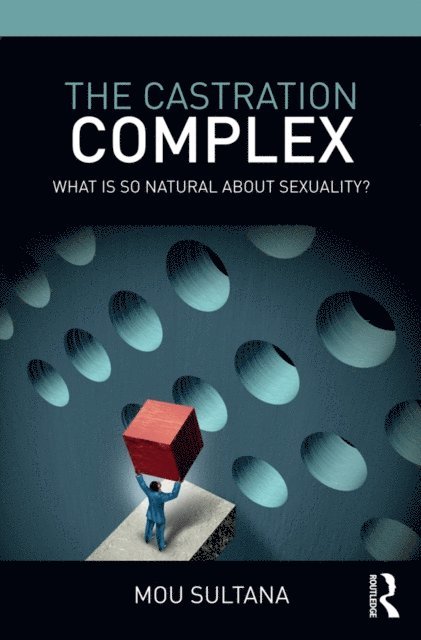
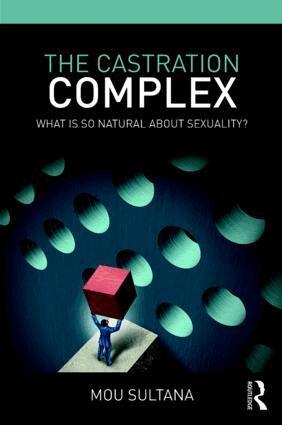
This book illustrates that the Castration Complex and the question of the distinction between the sexes are enmeshed in psychoanalytic theories. The subjective negotiation of this distinction impacts the future sexual positions taken up (or not) by the subject, indicating that human sexuality is by no means a given or a natural occurrence in psychoanalysis.
Engagement with the psychoanalytic theory of castration provides the reader with a different perspective on the current society’s insistence on gradually dissolving the differences between the sexes. For Freud, castration complex is the key to understanding the psychical consequences of the anatomical distinction between the sexes. For Lacan, castration introduces the subject to his/her very existence as a sexed being. Mou Sultana illustrates how these two revolutionary theorists came to such conclusions by close reading of the core texts, interpreting them and highlighting their relevance both within and outside the clinic of modern times.
605 kr
Läs direkt efter köp
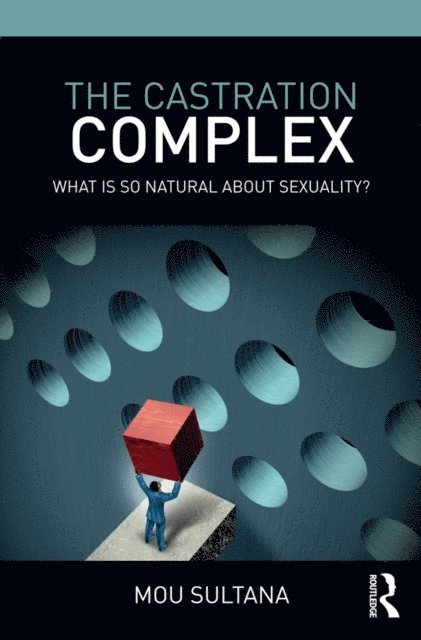
This book illustrates that the Castration Complex and the question of the distinction between the sexes are enmeshed in psychoanalytic theories. The subjective negotiation of this distinction impacts the future sexual positions taken up (or not) by the subject, indicating that human sexuality is by no means a given or a natural occurrence in psychoanalysis.
Engagement with the psychoanalytic theory of castration provides the reader with a different perspective on the current society’s insistence on gradually dissolving the differences between the sexes. For Freud, castration complex is the key to understanding the psychical consequences of the anatomical distinction between the sexes. For Lacan, castration introduces the subject to his/her very existence as a sexed being. Mou Sultana illustrates how these two revolutionary theorists came to such conclusions by close reading of the core texts, interpreting them and highlighting their relevance both within and outside the clinic of modern times.
433 kr
Läs direkt efter köp
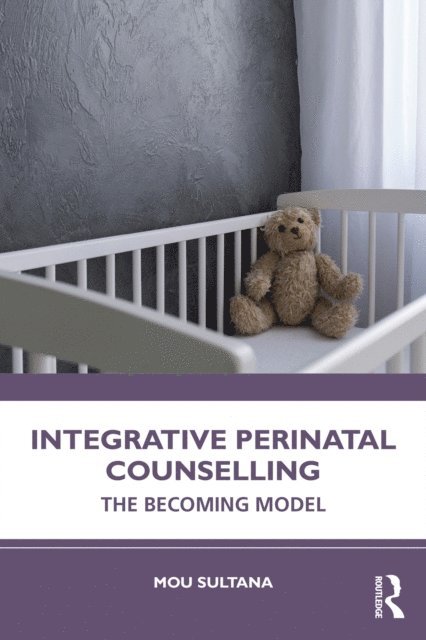
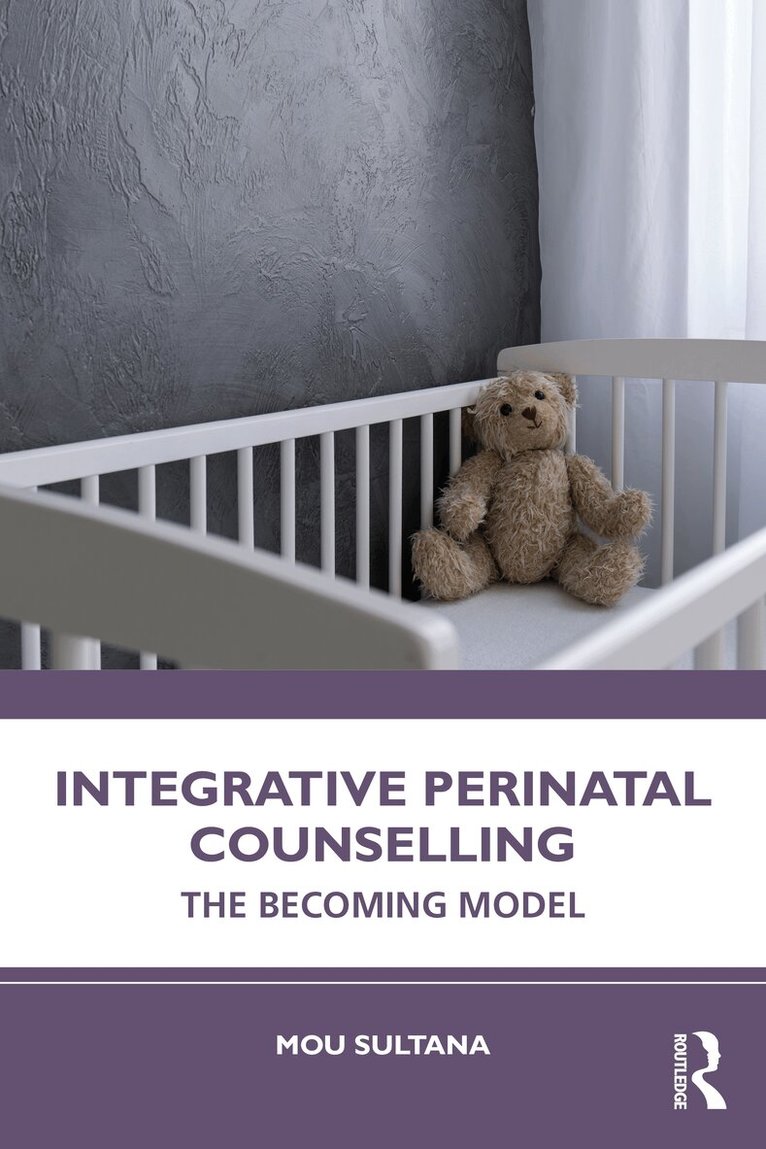
This book presents “the Becoming Model”, an integrative perinatal counselling model that provides a practical clinical framework to therapists working with those for whom the question of becoming a parent seems central.
Becoming a parent changes your identity, household, worldviews, relationships, priorities and previous life goals. Based on the notion that one does not become a mother or a father overnight, rather that it is a process of “becoming”, this model provides a roadmap for therapists (psychoanalytic, behavioural, humanistic, integrative and others) looking to understand and explore their client’s experience of this transitional journey through talk-therapy. It defines the unique field of perinatal counselling, highlights major clinical considerations, presents clinical observations by drawing from real-life cases and provides the therapist with one-stop-information guides on each theme (ten) and sub-theme (40) by drawing from existing research i.e. evidence-based practice.
Arguably one of the few counselling models specific to the perinatal period, this user-friendly guide, which is applicable to any modality, is designed to support psychotherapists, counsellors, nurses, midwives, and other mental health professionals working therapeutically with those who are going through the pre- or peri-natal period, or those who have experienced perinatal loss.
433 kr
Läs direkt efter köp
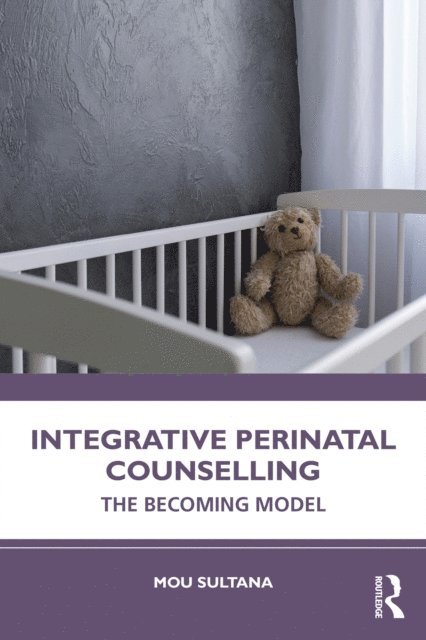
This book presents “the Becoming Model”, an integrative perinatal counselling model that provides a practical clinical framework to therapists working with those for whom the question of becoming a parent seems central.
Becoming a parent changes your identity, household, worldviews, relationships, priorities and previous life goals. Based on the notion that one does not become a mother or a father overnight, rather that it is a process of “becoming”, this model provides a roadmap for therapists (psychoanalytic, behavioural, humanistic, integrative and others) looking to understand and explore their client’s experience of this transitional journey through talk-therapy. It defines the unique field of perinatal counselling, highlights major clinical considerations, presents clinical observations by drawing from real-life cases and provides the therapist with one-stop-information guides on each theme (ten) and sub-theme (40) by drawing from existing research i.e. evidence-based practice.
Arguably one of the few counselling models specific to the perinatal period, this user-friendly guide, which is applicable to any modality, is designed to support psychotherapists, counsellors, nurses, midwives, and other mental health professionals working therapeutically with those who are going through the pre- or peri-natal period, or those who have experienced perinatal loss.
452 kr
Skickas inom 10-15 vardagar
2 477 kr
Skickas inom 10-15 vardagar
588 kr
Kommande
2 299 kr
Kommande
508 kr
Skickas inom 10-15 vardagar