M.R. Ahuja - Böcker
Visar alla böcker från författaren M.R. Ahuja. Handla med fri frakt och snabb leverans.
9 produkter
9 produkter
3 174 kr
Skickas inom 10-15 vardagar
References 343 20. J. Zel: Micropropagation of Pinus sylvestris 347 1. Introduction 347 2. Micropropagation from embryos 347 3. Micropropagation from seedling explants 350 4. Conclusions 362 5. Summary 362 References 362 21. M. J. Hutzell and D. J. Durzan: Improved aseptic germination and controlled growth for micropropagation of Douglas fir 367 l. Introduction 367 2. Material and methods 367 3. Results and observations 369 4. Discussion 370 5. Summary 372 References 372 22. D. F. Karnosky, Y Huang and D. I. Shin: Micropropagation of Larix species and hybrids 373 1. Introduction 373 2. Micropropagation from juvenile tissues 373 3. Micropropagation from mature trees 376 4. Potential uses of and research needs for micropropagation 377 5. Summary 380 References 380 23. B. J. Nairn: Commercial micropropagation of radiata pine 383 1. Introduction 383 2. Protocols 386 3. Costs 392 4. Future aspects 393 5. Summary 393 References 394 24. P. S. Rao and T. R. Ganapathi: Micropropagation of palms 395 1. Coconut (Cocos nucifera L. ) 395 2. Date palm (Phoenix dactylifera L. ) 400 3. Oil palm (Elaeis guineensis Jacq. ) 405 4. Summary 414 References 415 XI Section III. Tree improvement 423 25. W.J. Libby and M. R. Ahuja: Micropropagation and clonal options in forestry 425 1. Introduction 425 2. Definitions of micropropagation and clonal options 425 3. The selection of genotypes for micropropagation 426 4. The testing of micropropagated clones 427 5. The genetics of clones 429 6. Uses 433 7.
2 118 kr
Skickas inom 10-15 vardagar
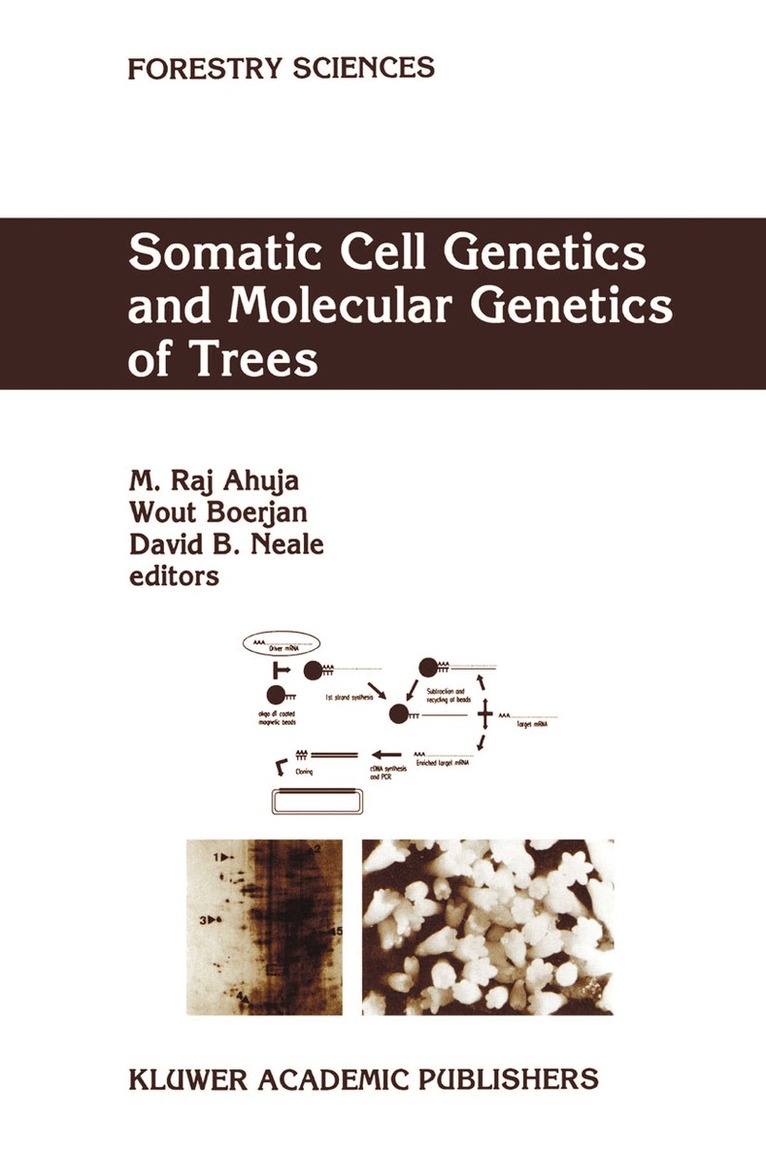
This text covers the latest developments in somatic cell genetics and molecular genetics of trees. The main topics included in this book are regeneration by organogenesis and somatic embryogenesis, gene expression and molecular physiology, molecular markers, genome mapping, gene transfer, and biotic/abiotic stress-related molecular characterizations.
556 kr
Skickas inom 10-15 vardagar
This volume is based on a workshop on Woody Plant Biotechnology held at the Institute of Forest Genetics, USDA Forest Service, Placerville, California, USA, 15-19 October, 1989. This workshop was organized by the IUFRO (International Union of Forestry Research Organizations) Working Party S2.04-07 - Somatic Cell Genetics -, and supported by the NATO Scientific Affairs Division, Advanced Research Workshop (ARW 692/89) Programme. This was the second workshop of the IUFRO Working Party on Somatic Cell Genetics. The first meeting of this Working Party was held at the Institute of Forest Genetics and Forest Tree Breeding, Federal Research Centre for Forestry and Forest Products, Grosshansdorf, Federal Republic of Germany. The purpose of the present workshop was to bring together scientists from different countries of the world for discussions in the area of woody plant biotechnology. Tissues from woody plants, in particular forest trees, are in general difficult to grow and differentiate in vitro. However, recent advances in tissue culture technology nave paved the way for successful culture of organs, tissues, cells, and protoplasts of woody plants. By employing juvenile tissues, plant regeneration has been accomplished in a number of woody plant species. On the other hand, clonal propagation of mature trees, in particular conifers, is still very difficult by tissue culture.
1 582 kr
Skickas inom 10-15 vardagar
Genetic erosion is the loss of genetic diversity within a species. It can happen very quickly, due to catastrophic events, or changes in land use leading to habitat loss. But it can also occur more gradually and remain unnoticed for a long time. One of the main causes of genetic erosion is the replacement of local varieties by modern varieties. Other causes include environmental degradation, urbanization, and land clearing through deforestation and brush fires. In order to conserve biodiversity in plants, it is important to targets three independent levels that include ecosystems, species and genes. Genetic diversity is important to a species’ fitness, long-term viability, and ability to adapt to changing environmental conditions. Chapters in this book are written by leading geneticists, molecular biologists and other specialists on relevant topics on genetic erosion and conservation genetic diversity in plants. This divisible set of two volumes deals with a broad spectrum of topics ongenetic erosion, and approaches to biodiversity conservation in crop plants and trees. Volume 1 deals with indicators and prevention of genetic erosion, while volume 2 covers genetic diversity and erosion in a number of plants species. These two volumes will also be useful to botanists, biotechnologists, environmentalists, policy makers, conservationists, and NGOs working to manage genetic erosion and biodiversity.
1 582 kr
Skickas inom 10-15 vardagar
Genetic erosion is the loss of genetic diversity within a species. Volume 1 deals with indicators and prevention of genetic erosion, while volume 2 covers genetic diversity and erosion in a number of plants species.
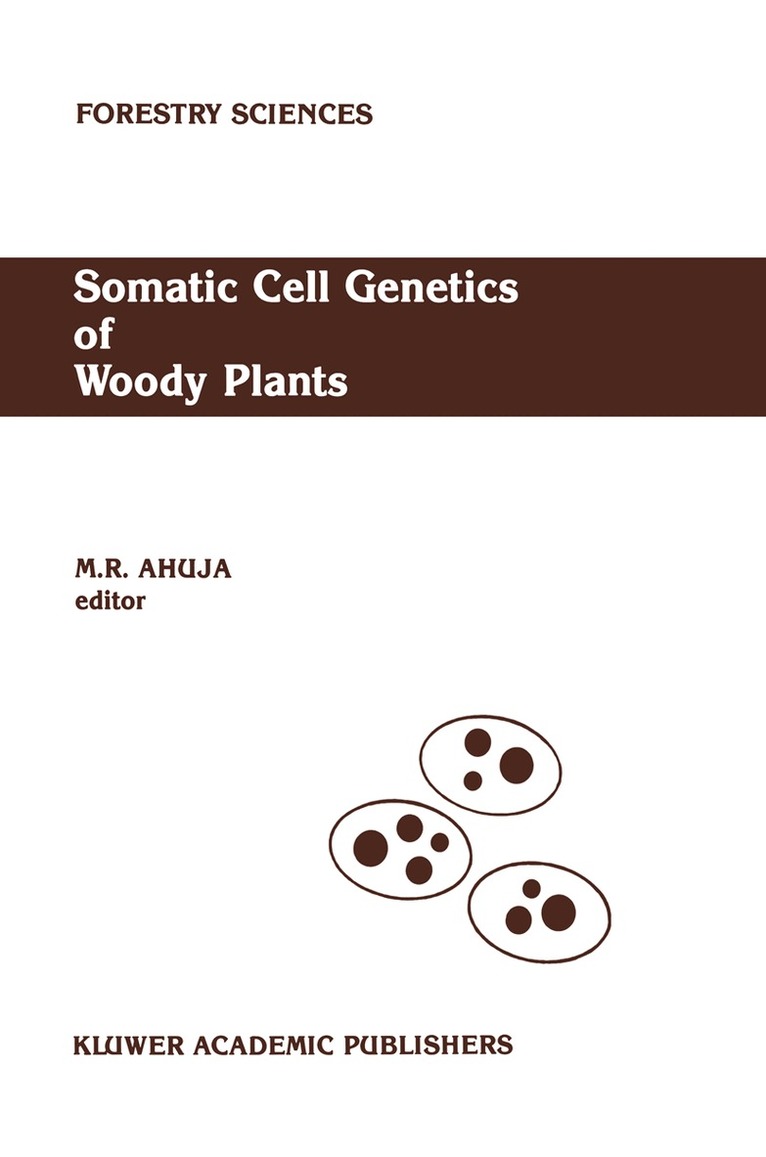
Somatic Cell Genetics of Woody Plants
Proceedings of the IUFRO Working Party S2. 04–07 Somatic Cell Genetics, held in Grosshansdorf, Federal Republic of Germany, August 10–13, 1987
Inbunden, Engelska, 1988
1 073 kr
Skickas inom 10-15 vardagar
Most forest tree species were considered recalcitrant a decade ago, but now with the improved in vitro techniques some progress has been made towards culture-of tree species. Micro propagation has been achieved from the juvenile tissues of a number of forest tree species. On the other hand, tissues from most mature trees are still very difficult to grow and differen tiate in vitro. Nevertheless, there has been slow but steady progress in the application of tissue culture technology for culture of tissues, organs, cells and protoplasts of tree species. As compared to most agricultural crops, and herbaceous plant species, trees are a different lot. They have long gene ration cycles. They are highly heterozygous and have a large reservoir of genetic variability. Because of this genetic variability, their response in vitro is also variable. On a single medium, the response of tissues from different trees (genotypes) of a single species may be quite different: some responding by induction of growth and differentiation, while others showing minimal or no growth at all. That makes the somatic cell genetics of woody plants somewhat difficult, but at the same time interesting.
3 174 kr
Skickas inom 10-15 vardagar
References 343 20. J. Zel: Micropropagation of Pinus sylvestris 347 1. Introduction 347 2. Micropropagation from embryos 347 3. Micropropagation from seedling explants 350 4. Conclusions 362 5. Summary 362 References 362 21. M. J. Hutzell and D. J. Durzan: Improved aseptic germination and controlled growth for micropropagation of Douglas fir 367 l. Introduction 367 2. Material and methods 367 3. Results and observations 369 4. Discussion 370 5. Summary 372 References 372 22. D. F. Karnosky, Y Huang and D. I. Shin: Micropropagation of Larix species and hybrids 373 1. Introduction 373 2. Micropropagation from juvenile tissues 373 3. Micropropagation from mature trees 376 4. Potential uses of and research needs for micropropagation 377 5. Summary 380 References 380 23. B. J. Nairn: Commercial micropropagation of radiata pine 383 1. Introduction 383 2. Protocols 386 3. Costs 392 4. Future aspects 393 5. Summary 393 References 394 24. P. S. Rao and T. R. Ganapathi: Micropropagation of palms 395 1. Coconut (Cocos nucifera L. ) 395 2. Date palm (Phoenix dactylifera L. ) 400 3. Oil palm (Elaeis guineensis Jacq. ) 405 4. Summary 414 References 415 XI Section III. Tree improvement 423 25. W.J. Libby and M. R. Ahuja: Micropropagation and clonal options in forestry 425 1. Introduction 425 2. Definitions of micropropagation and clonal options 425 3. The selection of genotypes for micropropagation 426 4. The testing of micropropagated clones 427 5. The genetics of clones 429 6. Uses 433 7.
2 118 kr
Skickas inom 10-15 vardagar
This proceedings is based on a joint meeting of the two IUFRO (International Union of Forestry Research Organizations) Working Parties, Somatic Cell Genetics (S2.04-07) and Molecular Genetics (S2.04-06) held in Gent, Belgium, 26-30 September, 1995. Although a joint meeting of the two Working Parties had been discussed in the past, this was the first such meeting that became a successful reality. In fact this meeting provided an excellent forum for discussions and interactions in forest bioteclUlology that encouraged the participants to vote for a next joint meeting. In the past decade rapid progress has been made in the somatic cell genetics and molecular genetics of forest trees. In order to cover recent developments in the broad area of biotechnology, the scientific program of the meeting was divided into several sessions. These included somatic embryogenesis, regeneration, transformation, gene expression, molecular markers, genome mapping, and biotic and abiotic stresses. The regeneration of plants, produced by organogenesis or somatic embryogenesis, is necessary not only for mass cloning of forest trees, but also for its application in genetic transformation and molecular biology. Although micropropagation has been achieved from juvenile tissues in a number of forest tree species, in vitro regeneration from mature trees remains a challenging problem in most hardwoods and conifers. The mechanisms involved in the transition from juvenile to mature phase in woody plants are poorly understood. This transition can now be investigated at the molecular level.
Somatic Cell Genetics of Woody Plants
Proceedings of the IUFRO Working Party S2. 04–07 Somatic Cell Genetics, held in Grosshansdorf, Federal Republic of Germany, August 10–13, 1987
Häftad, Engelska, 2012
1 073 kr
Skickas inom 10-15 vardagar
Most forest tree species were considered recalcitrant a decade ago, but now with the improved in vitro techniques some progress has been made towards culture-of tree species. Micro propagation has been achieved from the juvenile tissues of a number of forest tree species. On the other hand, tissues from most mature trees are still very difficult to grow and differen tiate in vitro. Nevertheless, there has been slow but steady progress in the application of tissue culture technology for culture of tissues, organs, cells and protoplasts of tree species. As compared to most agricultural crops, and herbaceous plant species, trees are a different lot. They have long gene ration cycles. They are highly heterozygous and have a large reservoir of genetic variability. Because of this genetic variability, their response in vitro is also variable. On a single medium, the response of tissues from different trees (genotypes) of a single species may be quite different: some responding by induction of growth and differentiation, while others showing minimal or no growth at all. That makes the somatic cell genetics of woody plants somewhat difficult, but at the same time interesting.