N. Aloni – författare
Visar alla böcker från författaren N. Aloni. Handla med fri frakt och snabb leverans.
3 produkter
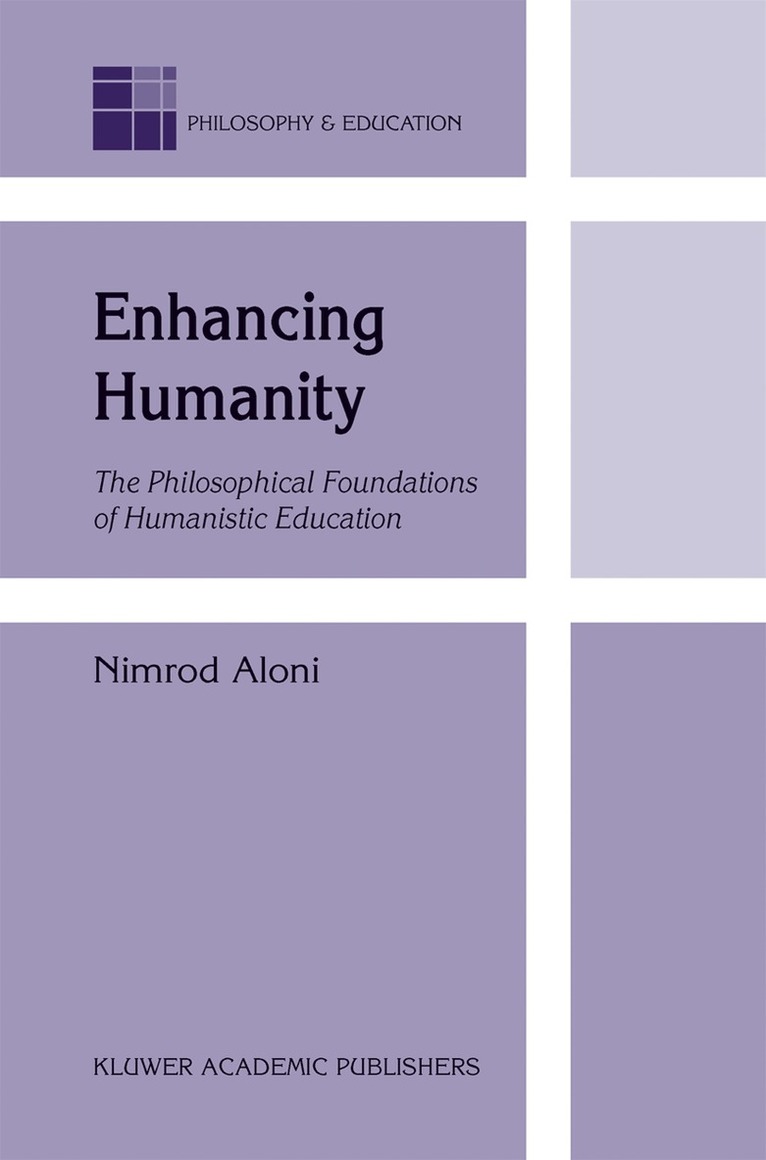
Enhancing Humanity
The Philosophical Foundations of Humanistic Education
Av N. Aloni
Inbunden, 2002
1070 kr
Lägg i varukorg
In Jean PaulSartre's Nausea, Roquentin feels bound to listen to the sentimental ramblings about humanism and humanity by the Self Taught Man. "Is it my fault," muses Roquentin, "in all he tells me, I recognize the lack of the genuine article? Is it my fault if, as he speaks, I see all the humanists …
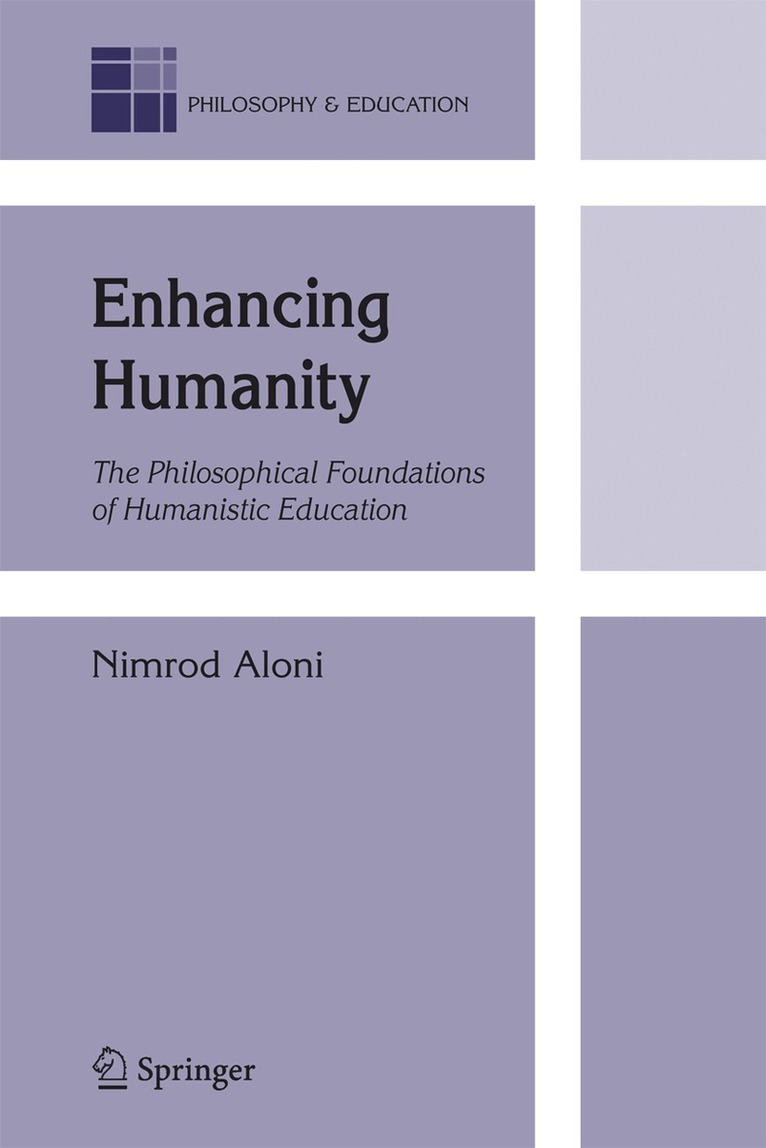
Enhancing Humanity
The Philosophical Foundations of Humanistic Education
Av N. Aloni
Häftad, 2007
1176 kr
Lägg i varukorg
In Jean PaulSartre's Nausea, Roquentin feels bound to listen to the sentimental ramblings about humanism and humanity by the Self Taught Man. "Is it my fault," muses Roquentin, "in all he tells me, I recognize the lack of the genuine article? Is it my fault if, as he speaks, I see all the humanists …
Enhancing Humanity
The Philosophical Foundations of Humanistic Education
Av N. Aloni
E-bok, 2007
1622 kr
Lägg i varukorg
In Jean PaulSartre''s Nausea, Roquentin feels bound to listen to the sentimental ramblings about humanism and humanity by the Self Taught Man. "Is it my fault," muses Roquentin, "in all he tells me, I recognize the lack of the genuine article? Is it my fault if, as he speaks, I see all the …