Nahid Siamdoust - Böcker
Visar alla böcker från författaren Nahid Siamdoust. Handla med fri frakt och snabb leverans.
3 produkter
3 produkter
402 kr
Kommande
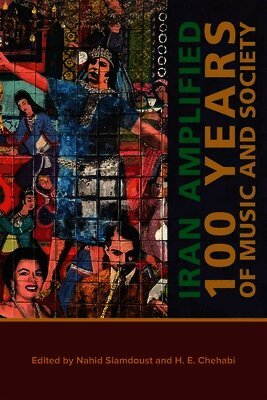
Iran Amplified: One Hundred Years of Music and Society, the first edited volume on music in modern Iran, presents a cross-genre collection of compelling scholarship, musician narratives, and primary sources. This groundbreaking volume, seizing on this burgeoning academic field, offers historiography and critical examination of music’s significant role in social and political mediation in Iran spanning the twentieth century. It also investigates central analytical vectors such as Islam, gender, media technology, alterity, transnational flows, and diasporic communities. As demonstrated at critical moments in Iranian history—from the Constitutional Revolution of 1906–1911 to 1960s and 1970s Third-Worldist activism, the 1979 Revolution, the Iran-Iraq War, the 2009 Green Movement, the 2022 Woman, Life, Freedom Uprising and beyond—music has played a pivotal role in mediating and expressing social and political discourses. Music has also been significant in coalescing sentiments and subjectivities throughout seemingly quieter periods of nation-building during the Pahlavi era, the post-WWII period of Great Power machinations, the cosmopolitan 1970s era, and the post-war reconstruction period of the 1990s. This timely volume, compiled by two leading readers of Iranian culture, finally affords music its important place in the scholarship of modern Iran.
1 422 kr
Skickas inom 7-10 vardagar
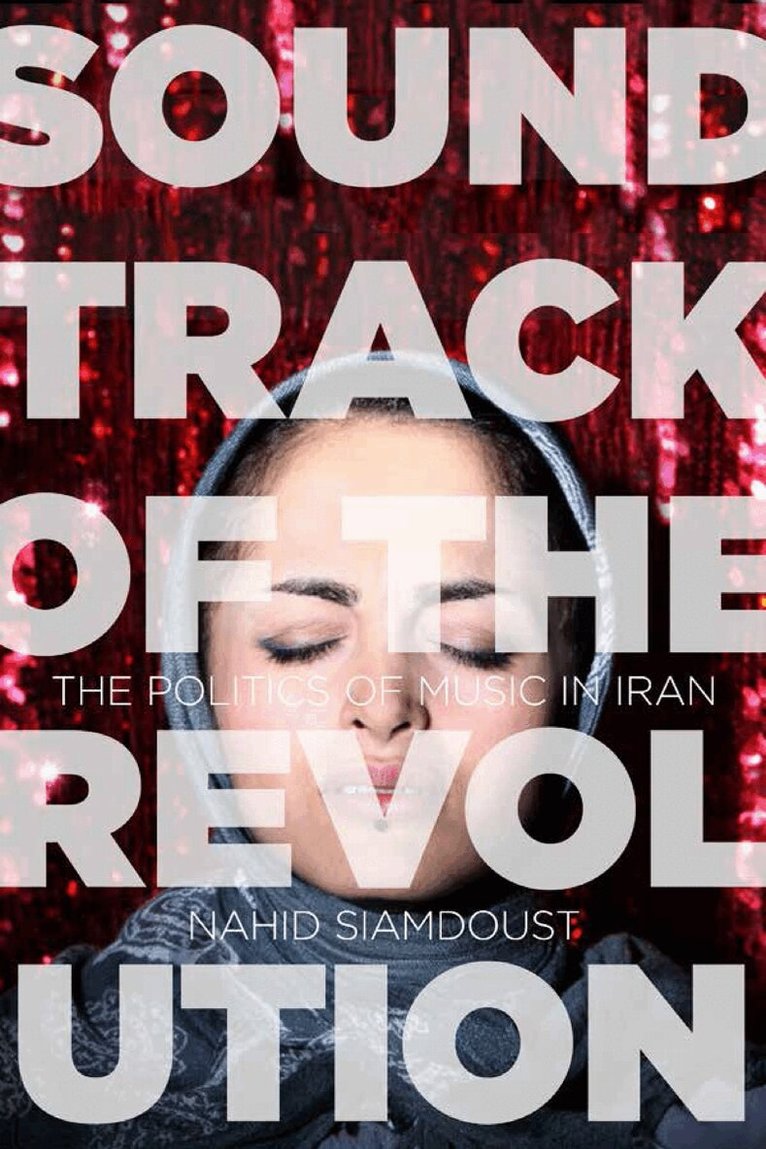
Music was one of the first casualties of the Iranian Revolution. It was banned in 1979, but it quickly crept back into Iranian culture and politics. The state made use of music for its propaganda during the Iran–Iraq war. Over time music provided an important political space where artists and audiences could engage in social and political debate. Now, more than thirty-five years on, both the children of the revolution and their music have come of age. Soundtrack of the Revolution offers a striking account of Iranian culture, politics, and social change to provide an alternative history of the Islamic Republic.Drawing on over five years of research in Iran, including during the 2009 protests, Nahid Siamdoust introduces a full cast of characters, from musicians and audience members to state officials, and takes readers into concert halls and underground performances, as well as the state licensing and censorship offices. She closely follows the work of four musicians—a giant of Persian classical music, a government-supported pop star, a rebel rock-and-roller, and an underground rapper—each with markedly different political views and relations with the Iranian government. Taken together, these examinations of musicians and their music shed light on issues at the heart of debates in Iran—about its future and identity, changing notions of religious belief, and the quest for political freedom. Siamdoust shows that even as state authorities resolve, for now, to allow greater freedoms to Iran's majority young population, they retain control and can punish those who stray too far. But music will continue to offer an opening for debate and defiance. As the 2009 Green Uprising and the 1979 Revolution before it have proven, the invocation of a potent melody or musical verse can unite strangers into a powerful public.
334 kr
Skickas inom 7-10 vardagar
Music was one of the first casualties of the Iranian Revolution. It was banned in 1979, but it quickly crept back into Iranian culture and politics. The state made use of music for its propaganda during the Iran–Iraq war. Over time music provided an important political space where artists and audiences could engage in social and political debate. Now, more than thirty-five years on, both the children of the revolution and their music have come of age. Soundtrack of the Revolution offers a striking account of Iranian culture, politics, and social change to provide an alternative history of the Islamic Republic.Drawing on over five years of research in Iran, including during the 2009 protests, Nahid Siamdoust introduces a full cast of characters, from musicians and audience members to state officials, and takes readers into concert halls and underground performances, as well as the state licensing and censorship offices. She closely follows the work of four musicians—a giant of Persian classical music, a government-supported pop star, a rebel rock-and-roller, and an underground rapper—each with markedly different political views and relations with the Iranian government. Taken together, these examinations of musicians and their music shed light on issues at the heart of debates in Iran—about its future and identity, changing notions of religious belief, and the quest for political freedom. Siamdoust shows that even as state authorities resolve, for now, to allow greater freedoms to Iran's majority young population, they retain control and can punish those who stray too far. But music will continue to offer an opening for debate and defiance. As the 2009 Green Uprising and the 1979 Revolution before it have proven, the invocation of a potent melody or musical verse can unite strangers into a powerful public.