Naofumi Nakagawa – författare
Visar alla böcker från författaren Naofumi Nakagawa. Handla med fri frakt och snabb leverans.
5 produkter
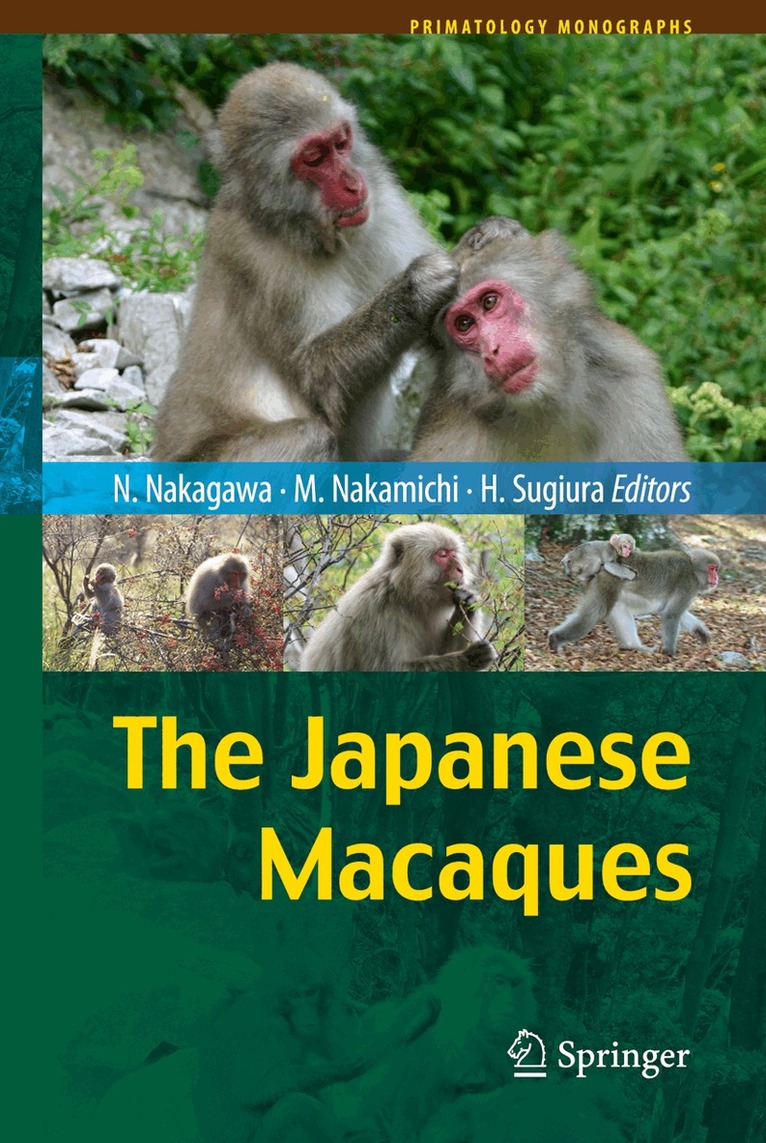
Japanese Macaques
Av Naofumi Nakagawa, Masayuki Nakamichi m. fl.
Inbunden, 2010
2734 kr
Lägg i varukorg
Japanese macaques (Macaca fuscata) have been studied by primatologists since 1948, and considerable knowledge of the primate has been accumulated to elucidate the adaptation of the species over time and to distinct environments in Japan. The Japanese macaque is especially suited to intragenera and …
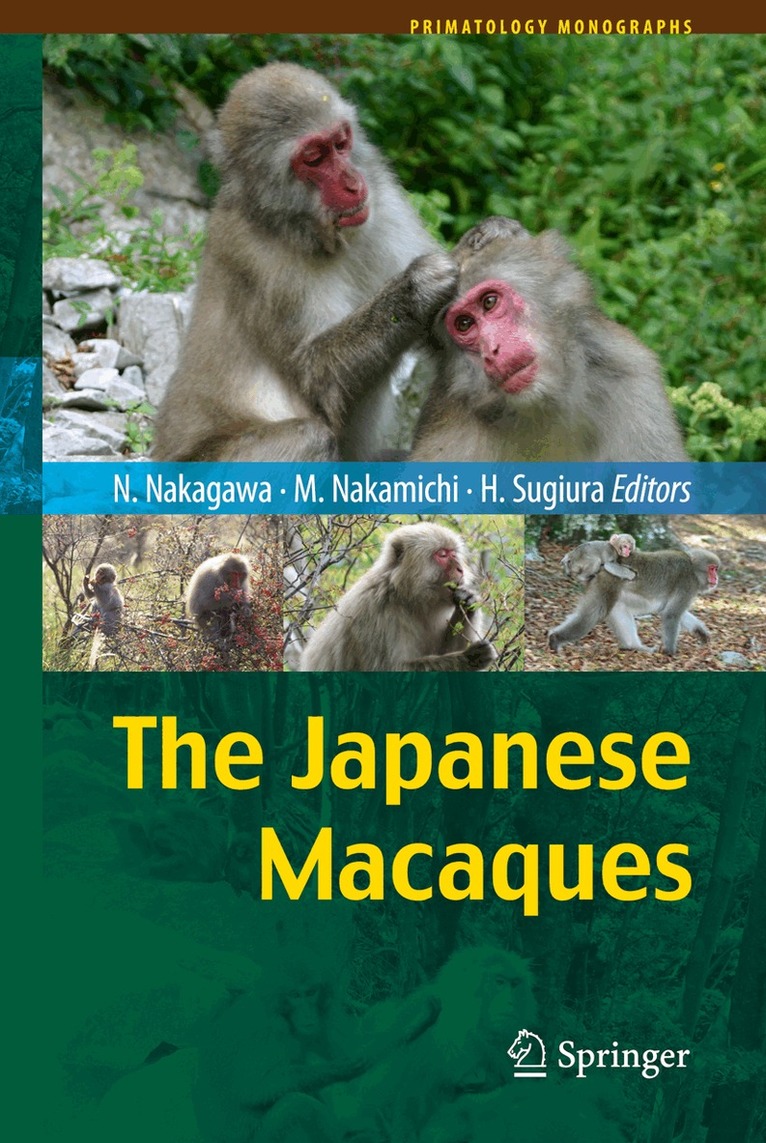
Japanese Macaques
Av Hideki Sugiura, Masayuki Nakamichi m. fl.
E-bok, 2010
2517 kr
Lägg i varukorg
Japanese macaques (Macaca fuscata) have been studied by primatologists since 1948, and considerable knowledge of the primate has been accumulated to elucidate the adaptation of the species over time and to distinct environments in Japan. The Japanese macaque is especially suited to intragenera and …
Monkeys, Apes, and Humans
Primatology in Japan
Av Michael A. Huffman, Naofumi Nakagawa m. fl.
Häftad, 2012
551 kr
Lägg i varukorg
This book introduces to the reader unfamiliar with primatology in Japan three research projects representative of the unique multidisciplinary approach carried out by scientists at Kyoto University, the country’s premier institution for primate studies. The projects are all aimed at understanding …
Monkeys, Apes, and Humans
Primatology in Japan
Av Masaki Tomonaga, Hiroo Imai m. fl.
E-bok, 2012
710 kr
Lägg i varukorg
This book introduces to the reader unfamiliar with primatology in Japan three research projects representative of the unique multidisciplinary approach carried out by scientists at Kyoto University, the country’s premier institution for primate studies. The projects are all aimed at understanding …
Japanese Macaques
Av Naofumi Nakagawa, Masayuki Nakamichi m. fl.
Häftad, 2014
1966 kr
Lägg i varukorg
Japanese macaques (Macaca fuscata) have been studied by primatologists since 1948, and considerable knowledge of the primate has been accumulated to elucidate the adaptation of the species over time and to distinct environments in Japan. The Japanese macaque is especially suited to intragenera and …