Natalie Novick Brown – författare
Visar alla böcker från författaren Natalie Novick Brown. Handla med fri frakt och snabb leverans.
5 produkter
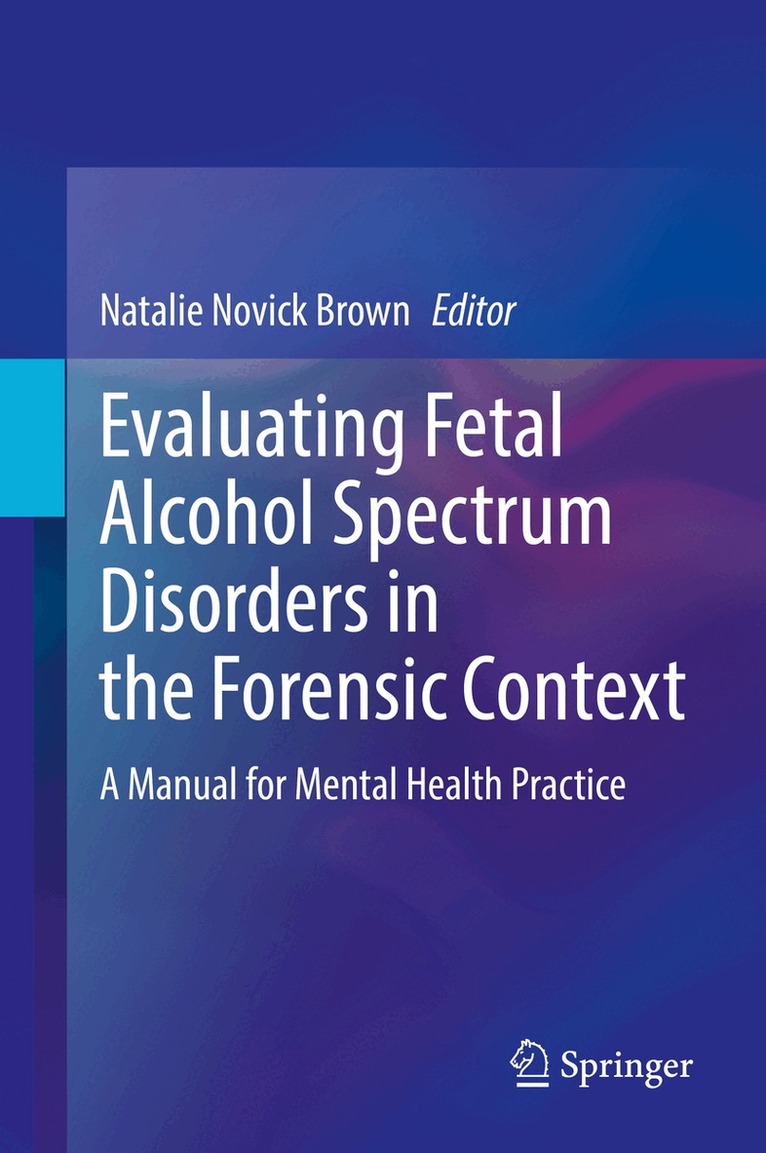
Evaluating Fetal Alcohol Spectrum Disorders in the Forensic Context
A Manual for Mental Health Practice
Inbunden, 2021
1915 kr
Lägg i varukorg
This book is intended for medical and mental health clinicians faced with the challenge of evaluating adolescents and adults in the legal context who may have a fetal alcohol spectrum disorder (FASD). Luminaries in their respective fields, the contributors to this book offer a range of expertise …
Evaluating Fetal Alcohol Spectrum Disorders in the Forensic Context
A Manual for Mental Health Practice
E-bok, 2021
2472 kr
Lägg i varukorg
This book is intended for medical and mental health clinicians faced with the challenge of evaluating adolescents and adults in the legal context who may have a fetal alcohol spectrum disorder (FASD). Luminaries in their respective fields, the contributors to this book offer a range of expertise …
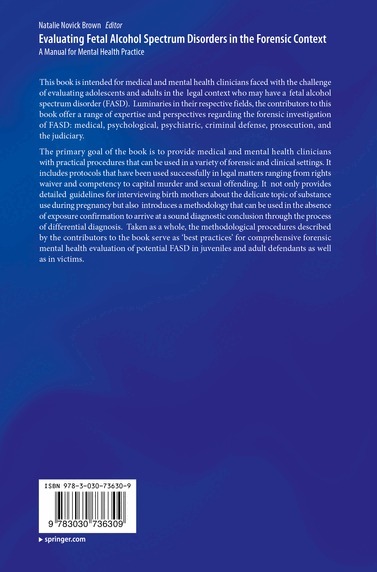
Evaluating Fetal Alcohol Spectrum Disorders in the Forensic Context
A Manual for Mental Health Practice
Häftad, 2022
1915 kr
Lägg i varukorg
This book is intended for medical and mental health clinicians faced with the challenge of evaluating adolescents and adults in the legal context who may have a fetal alcohol spectrum disorder (FASD). Luminaries in their respective fields, the contributors to this book offer a range of expertise …
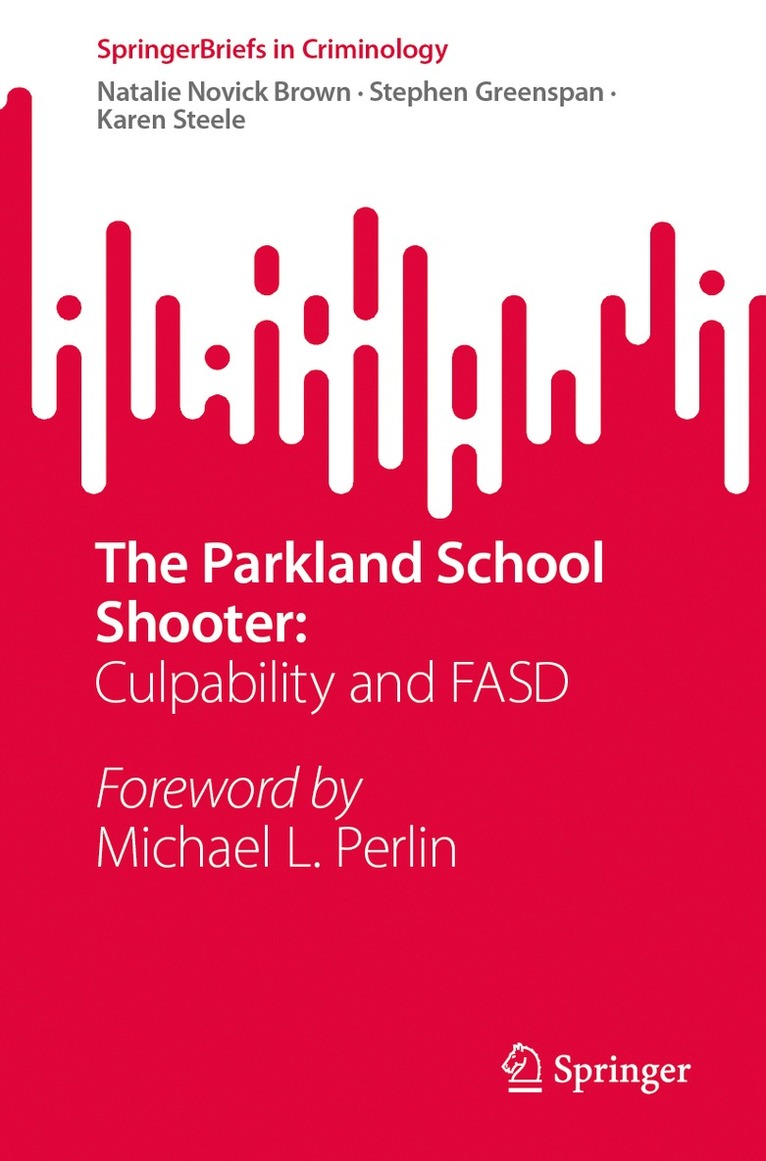
Parkland School Shooter:
Culpability and FASD
Av Natalie Novick Brown, Stephen Greenspan m. fl.
Häftad, 2024
590 kr
Lägg i varukorg
This brief explores the justification of the death penalty, using the 2018 Marjorie Stoneman Douglas High School shooting in Parkland, Florida, as a case study. The authors argue that when an offender’s impairments severely impact their ability to make rational decisions, the death penalty is …
Parkland School Shooter:
Culpability and FASD
Av Karen Steele, Stephen Greenspan m. fl.
E-bok, 2024
775 kr
Lägg i varukorg
This brief explores the justification of the death penalty, using the 2018 Marjorie Stoneman Douglas High School shooting in Parkland, Florida, as a case study. The authors argue that when an offender’s impairments severely impact their ability to make rational decisions, the death penalty is …