Natasha Sumner – författare
Visar alla böcker från författaren Natasha Sumner. Handla med fri frakt och snabb leverans.
8 produkter
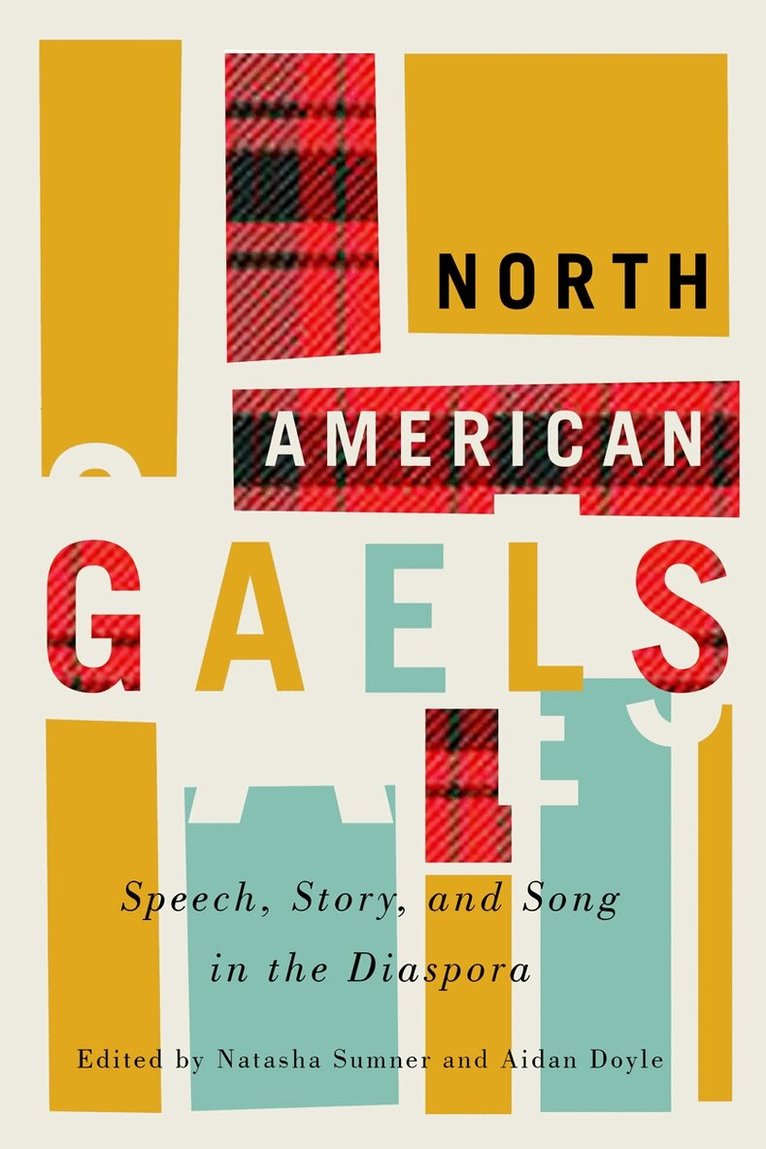
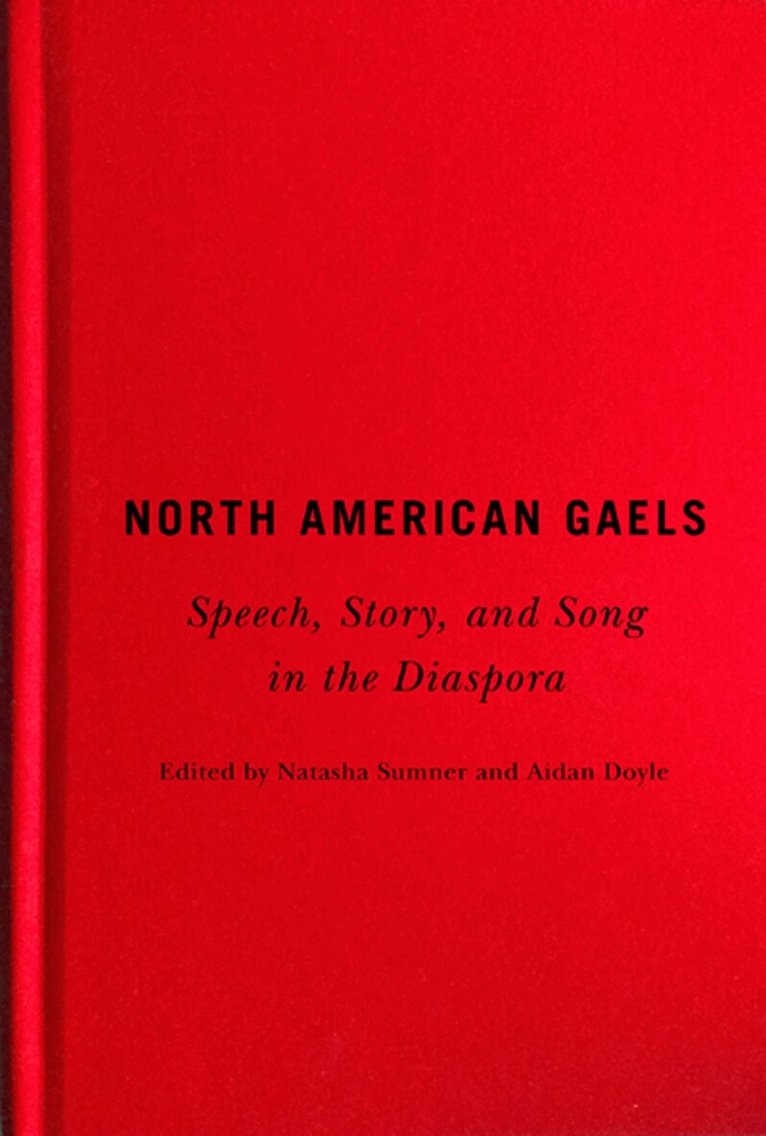
North American Gaels
Speech, Story, and Song in the Diaspora
Av Natasha Sumner, Aidan Doyle
Häftad, 2020
684 kr
Lägg i varukorg
A mere 150 years ago Scottish Gaelic was the third most widely spoken language in Canada, and Irish was spoken by hundreds of thousands of people in the United States. A new awareness of the large North American Gaelic diaspora, long overlooked by historians, folklorists, and literary scholars, has …
North American Gaels
Speech, Story, and Song in the Diaspora
Av Aidan Doyle, Natasha Sumner
E-bok, 2020
541 kr
Lägg i varukorg
A mere 150 years ago Scottish Gaelic was the third most widely spoken language in Canada, and Irish was spoken by hundreds of thousands of people in the United States. A new awareness of the large North American Gaelic diaspora, long overlooked by historians, folklorists, and literary scholars, has …
North American Gaels
Speech, Story, and Song in the Diaspora
Av Aidan Doyle, Natasha Sumner
E-bok, 2020
541 kr
Lägg i varukorg
A mere 150 years ago Scottish Gaelic was the third most widely spoken language in Canada, and Irish was spoken by hundreds of thousands of people in the United States. A new awareness of the large North American Gaelic diaspora, long overlooked by historians, folklorists, and literary scholars, has …
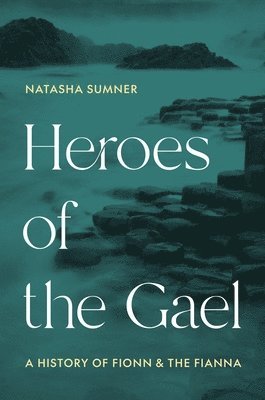
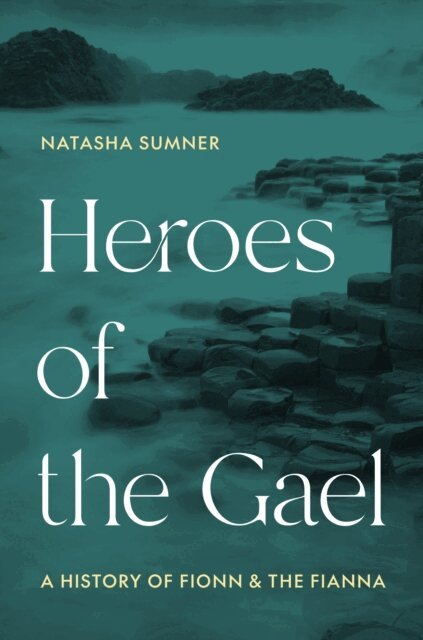
Heroes of the Gael
A History of Fionn and the Fianna
Inbunden, 2026
401 kr
Lägg i varukorg
The evolution of the Fenian tradition of story and song, traced over 1,400 yearsStories about Fionn macCumhaill (also known as Finn McCool) and his roving warrior band, the Fianna, have engaged audiences for more than a millennium. Fionn and the Fianna—Gaeldom’s defenders during a legendary …
Heroes of the Gael
A History of Fionn and the Fianna
E-bok, 2026
574 kr
Lägg i varukorg
The evolution of the Fenian tradition of story and song, traced over 1,400 years Stories about Fionn macCumhaill (also known as Finn McCool) and his roving warrior band, the Fianna, have engaged audiences for more than a millennium. Fionn and the Fianna—Gaeldom’s defenders during a legendary …
North American Gaels
Speech, Story, and Song in the Diaspora
Av Natasha Sumner, Aidan Doyle
Inbunden, 2020
1940 kr
Tillfälligt slut
A mere 150 years ago Scottish Gaelic was the third most widely spoken language in Canada, and Irish was spoken by hundreds of thousands of people in the United States. A new awareness of the large North American Gaelic diaspora, long overlooked by historians, folklorists, and literary scholars, has …