Natasha Zaretsky - Böcker
Visar alla böcker från författaren Natasha Zaretsky. Handla med fri frakt och snabb leverans.
7 produkter
7 produkter
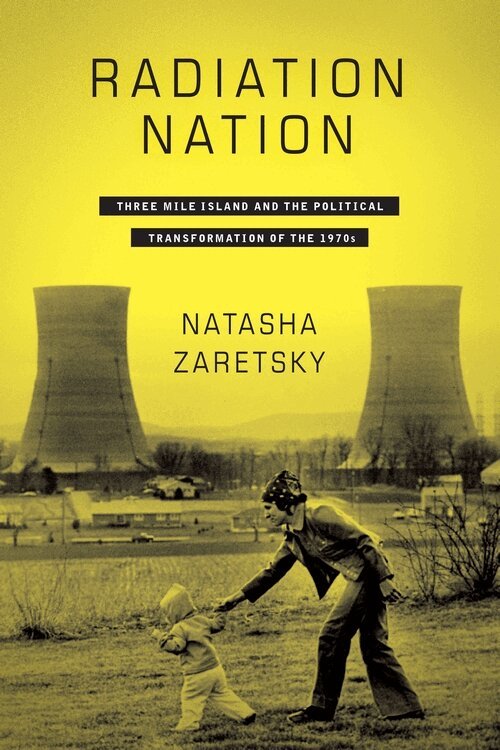
Radiation Nation
Three Mile Island and the Political Transformation of the 1970s
Inbunden, Engelska, 2018
1 011 kr
Tillfälligt slut
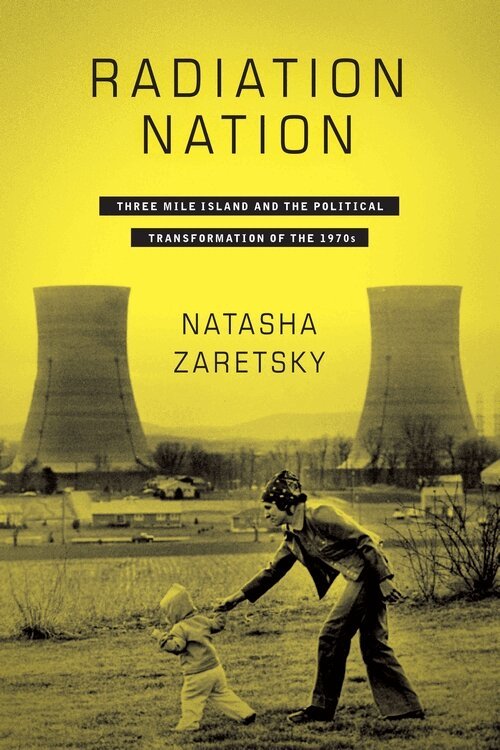
On March 28, 1979, the worst nuclear reactor accident in U.S. history occurred at the Three Mile Island power plant in Central Pennsylvania. Radiation Nation tells the story of what happened that day and in the months and years that followed, as local residents tried to make sense of the emergency. The near-meltdown occurred at a pivotal moment when the New Deal coalition was unraveling, trust in government was eroding, conservatives were consolidating their power, and the political left was becoming marginalized. Using the accident to explore this turning point, Natasha Zaretsky provides a fresh interpretation of the era by disclosing how atomic and ecological imaginaries shaped the conservative ascendancy. Drawing on the testimony of the men and women who lived in the shadow of the reactor, Radiation Nation shows that the region's citizens, especially its mothers, grew convinced that they had sustained radiological injuries that threatened their reproductive futures.Taking inspiration from the antiwar, environmental, and feminist movements, women at Three Mile Island crafted a homegrown ecological politics that wove together concerns over radiological threats to the body, the struggle over abortion and reproductive rights, and eroding trust in authority. This politics was shaped above all by what Zaretsky calls "biotic nationalism," a new body-centered nationalism that imagined the nation as a living, mortal being and portrayed sickened Americans as evidence of betrayal. The first cultural history of the accident, Radiation Nation reveals the surprising ecological dimensions of post-Vietnam conservatism while showing how growing anxieties surrounding bodily illness infused the political realignment of the 1970s in ways that blurred any easy distinction between left and right.
Radiation Nation
Three Mile Island and the Political Transformation of the 1970s
Häftad, Engelska, 2018
291 kr
Skickas inom 7-10 vardagar
On March 28, 1979, the worst nuclear reactor accident in U.S. history occurred at the Three Mile Island power plant in Central Pennsylvania. Radiation Nation tells the story of what happened that day and in the months and years that followed, as local residents tried to make sense of the emergency. The near-meltdown occurred at a pivotal moment when the New Deal coalition was unraveling, trust in government was eroding, conservatives were consolidating their power, and the political left was becoming marginalized. Using the accident to explore this turning point, Natasha Zaretsky provides a fresh interpretation of the era by disclosing how atomic and ecological imaginaries shaped the conservative ascendancy. Drawing on the testimony of the men and women who lived in the shadow of the reactor, Radiation Nation shows that the region's citizens, especially its mothers, grew convinced that they had sustained radiological injuries that threatened their reproductive futures.Taking inspiration from the antiwar, environmental, and feminist movements, women at Three Mile Island crafted a homegrown ecological politics that wove together concerns over radiological threats to the body, the struggle over abortion and reproductive rights, and eroding trust in authority. This politics was shaped above all by what Zaretsky calls "biotic nationalism," a new body-centered nationalism that imagined the nation as a living, mortal being and portrayed sickened Americans as evidence of betrayal. The first cultural history of the accident, Radiation Nation reveals the surprising ecological dimensions of post-Vietnam conservatism while showing how growing anxieties surrounding bodily illness infused the political realignment of the 1970s in ways that blurred any easy distinction between left and right.
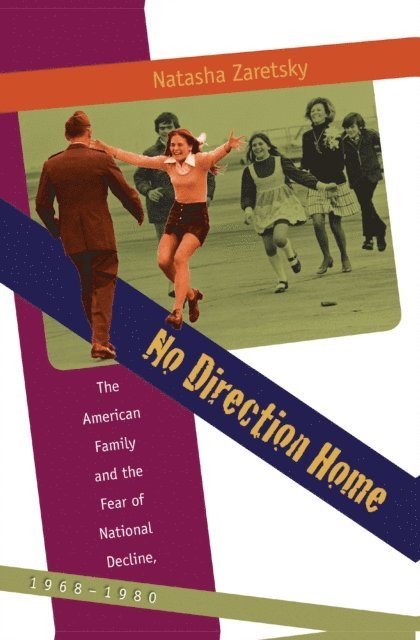
No Direction Home
The American Family and the Fear of National Decline, 1968-1980
Häftad, Engelska, 2007
460 kr
Skickas inom 10-15 vardagar
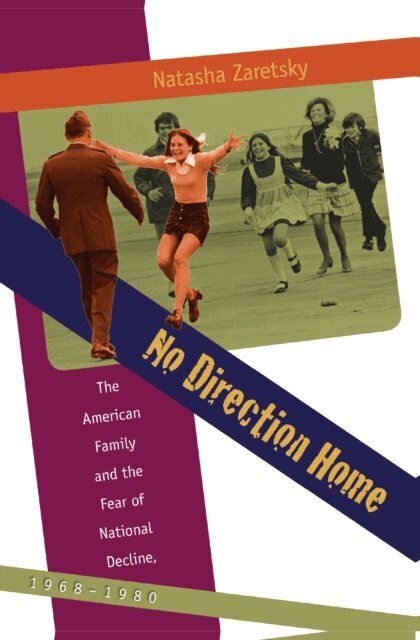
Between 1968 and 1980, fears about family deterioration and national decline were ubiquitous in American political culture. In ""No Direction Home"", Natasha Zaretsky shows that these perceptions of decline profoundly shaped one another. Throughout the 1970s, anxieties about diminishing paternal authority and the future of the nuclear family collided with anxieties about the direction of the United States in the wake of military defeat in Vietnam and in the midst of economic recession, Zaretsky explains. By exploring such themes as the controversy surrounding prisoners of war in Southeast Asia, the OPEC oil embargo of 1973-74, and debates about cultural narcissism, Zaretsky reveals that the 1970s marked a significant turning point in the history of American nationalism. After Vietnam, a wounded national identity - rooted in a collective sense of injury and fueled by images of family peril - exploded to the surface and helped set the stage for the Reagan Revolution. With an innovative analysis that integrates cultural, intellectual, and political history, ""No Direction Home"" explores the fears that not only shaped an earlier era but also have reverberated into our own time.
803 kr
Skickas inom 5-8 vardagar
Designed to encourage critical thinking about history, the Major Problems in American History series introduces students to both primary sources and analytical essays on important topics in U.S. history. This reader serves as the primary anthology for the Post-1945 U.S. History course, Comprehensive topical coverage includes the Cold War; the cultural and political movements of the 50s, 60s, 70s, and 80s; Vietnam; the return of conservatism; globalization; life in the new information age; the post-Cold War era; and race and ethnicity. The Fourth Edition extends its consideration of the period since the 1960s by adding two entirely new chapters and substantially reconfiguring others. In this way, this edition devotes far more attention to the 1970s, a period that has received especially notable scholarly scrutiny in the last few years, and to the period since the end of the Cold War. Key pedagogical elements of the Major Problems format have been retained: chapter introductions, headnotes, and suggested readings.
428 kr
Skickas inom 7-10 vardagar
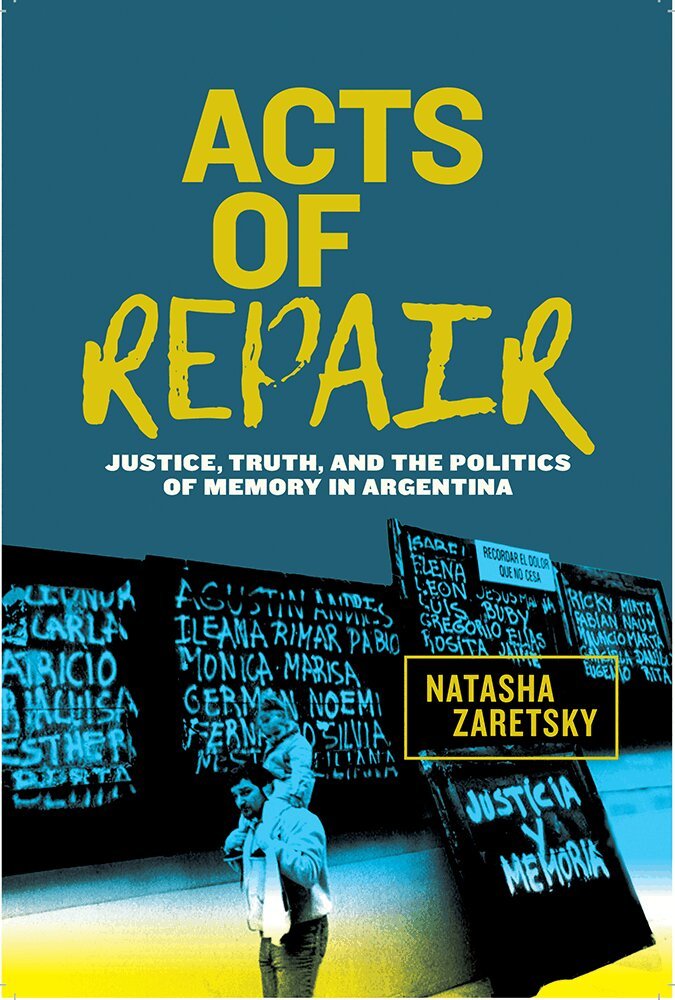
Acts of Repair explores how ordinary people grapple with decades of political violence and genocide in Argentina—a history that includes the Holocaust, the political repression of the 1976–1983 dictatorship, and the 1994 AMIA bombing. Although the struggle against impunity seems inevitably incomplete, Argentines have created possibilities for repair through cultural memory, yielding spaces for transformation and agency critical to personal and political recovery.
1 570 kr
Skickas inom 7-10 vardagar
Acts of Repair explores how ordinary people grapple with decades of political violence and genocide in Argentina—a history that includes the Holocaust, the political repression of the 1976–1983 dictatorship, and the 1994 AMIA bombing. Although the struggle against impunity seems inevitably incomplete, Argentines have created possibilities for repair through cultural memory, yielding spaces for transformation and agency critical to personal and political recovery.
Del 6 - Jewish Latin America
Landscapes of Memory and Impunity
The Aftermath of the AMIA Bombing in Jewish Argentina
Inbunden, Engelska, 2015
2 084 kr
Skickas inom 5-8 vardagar
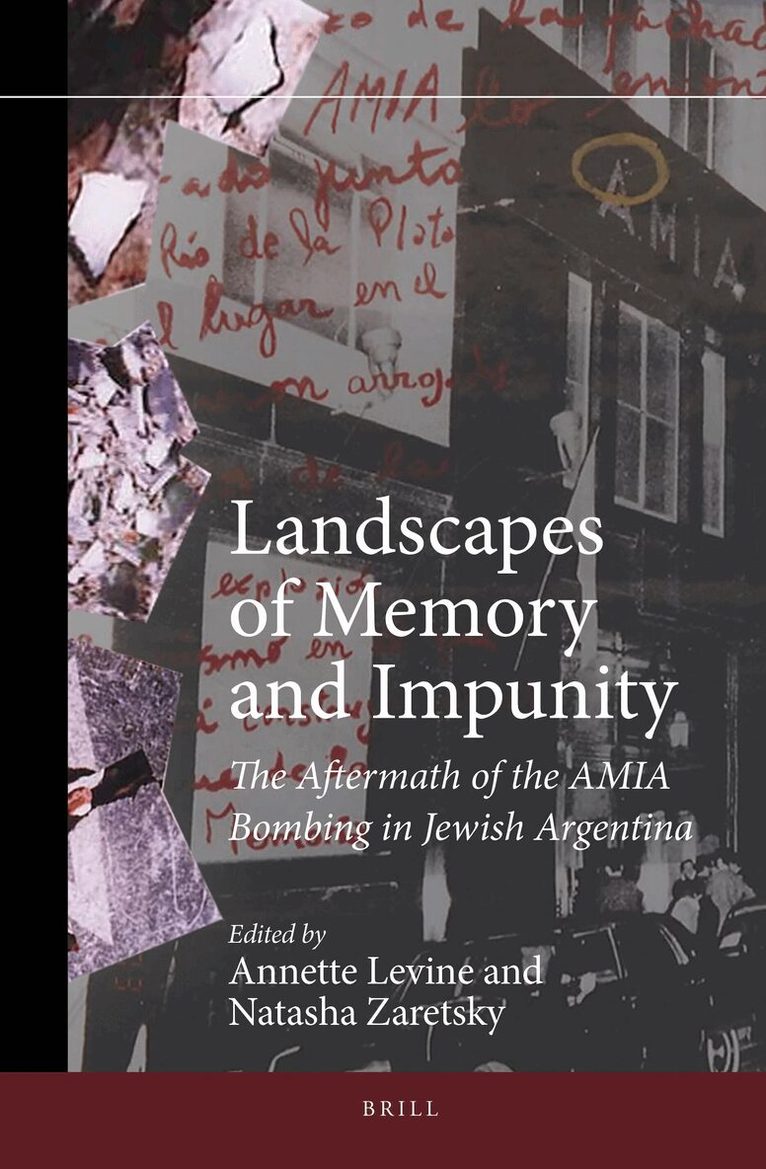
Winner of an Honorable Mention in the Latin American Jewish Studies Association (LAJSA) 2017 Book Award competition for an outstanding book on a Latin American Jewish topic in the social sciences or humanities published in English, Spanish, or Portuguese.Landscapes of Memory and Impunity chronicles the aftermath of the most significant terrorist attack in Argentina’s history—the 1994 AMIA bombing that killed eighty-five people, wounded hundreds, and destroyed the primary Jewish mutual aid society. This volume, edited by Annette H. Levine and Natasha Zaretsky, presents the first comprehensive, multidisciplinary work about this decisive turning point in Jewish Argentine history—examining the ongoing impact of this violence and the impunity that followed. Chapters explore political protest movements, musical performance, literature, and acts of commemoration. They emphasize the intersecting themes of memory, narrative and representation, Jewish belonging, citizenship, and justice—critical fault lines that frame Jewish life after the AMIA attack, while also resonating with historical struggles for pluralism in Argentina.