Nathan Ashman - Böcker
Visar alla böcker från författaren Nathan Ashman. Handla med fri frakt och snabb leverans.
6 produkter
6 produkter
3 755 kr
Skickas inom 10-15 vardagar
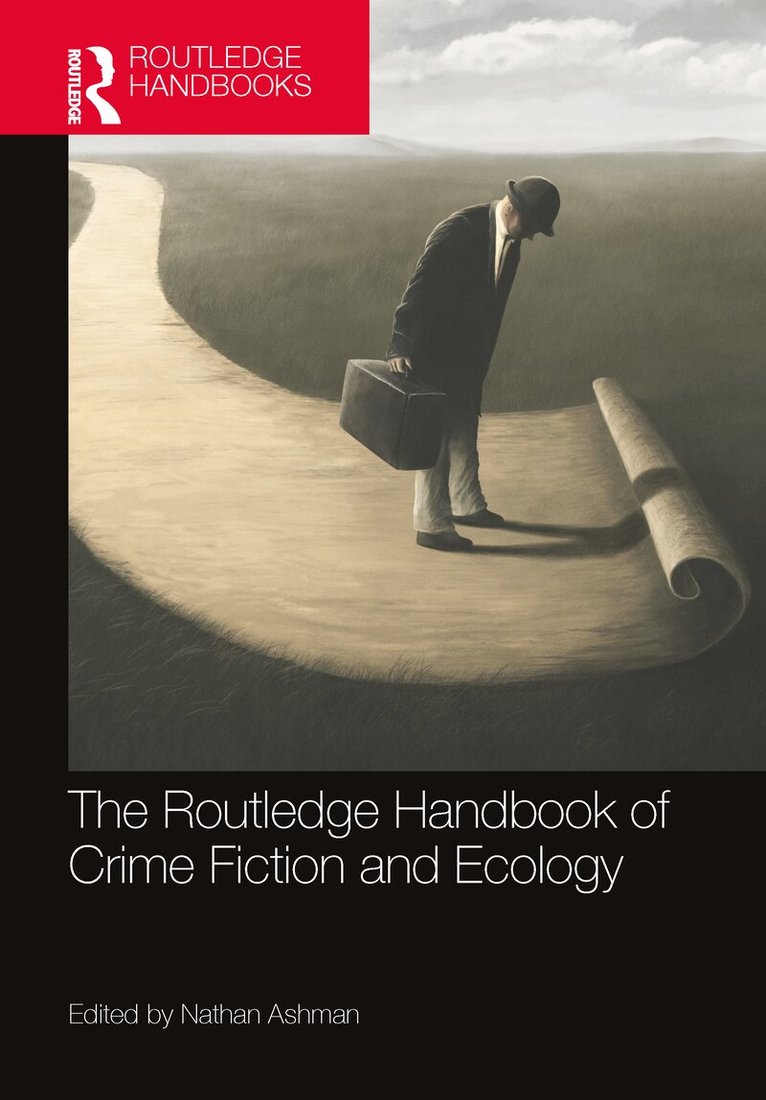
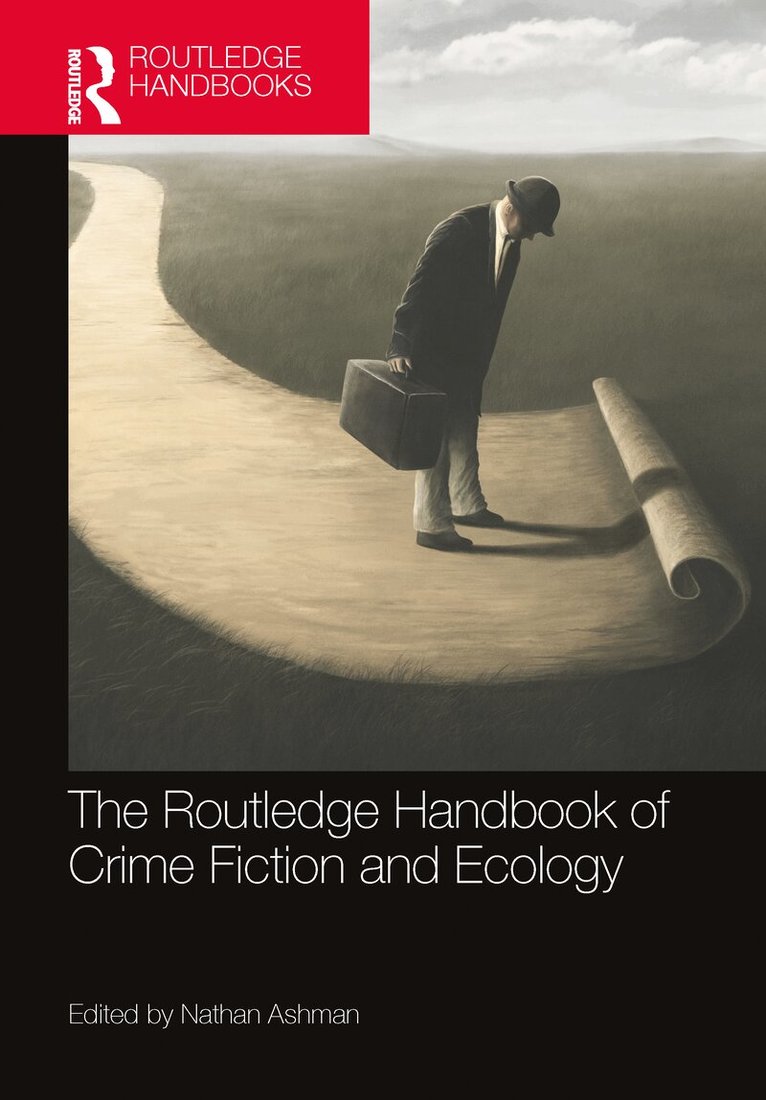
The Routledge Handbook of Crime Fiction and Ecology is the first comprehensive examination of crime fiction and ecocriticism. Across 33 innovative chapters from leading international scholars, this Handbook considers an emergent field of contemporary crime narratives that are actively responding to a diverse assemblage of global environmental concerns, whilst also opening up ‘classic’ crime fictions and writers to new ecocritical perspectives. Rigorously engaged with cutting-edge critical trends, it places the familiar staples of crime fiction scholarship – from thematic to formal approaches – in conversation with a number of urgent ecological theories and ideas, covering subjects such as environmental security, environmental justice, slow violence, ecofeminism and animal studies. The Routledge Handbook of Crime Fiction and Ecology is an essential introduction to this new and dynamic research field for both students and scholars alike.
803 kr
Skickas inom 10-15 vardagar
The Routledge Handbook of Crime Fiction and Ecology is the first comprehensive examination of crime fiction and ecocriticism. Across 33 innovative chapters from leading international scholars, this Handbook considers an emergent field of contemporary crime narratives that are actively responding to a diverse assemblage of global environmental concerns, whilst also opening up ‘classic’ crime fictions and writers to new ecocritical perspectives. Rigorously engaged with cutting-edge critical trends, it places the familiar staples of crime fiction scholarship – from thematic to formal approaches – in conversation with a number of urgent ecological theories and ideas, covering subjects such as environmental security, environmental justice, slow violence, ecofeminism and animal studies. The Routledge Handbook of Crime Fiction and Ecology is an essential introduction to this new and dynamic research field for both students and scholars alike.
269 kr
Skickas inom 7-10 vardagar
This Element examines how contemporary ecological crime narratives are responding to the scales and complexities of the global climate crisis. It opens with the suggestion that there are certain formal limits to the genre's capacity to accommodate and interrogate these multifaceted dynamics within its typical stylistic and thematic bounds. Using a comparative methodological approach that draws connections and commonalities between literary crime texts from across a range of geographical locales – including works from Asia, Europe, Africa, South America, North America and Oceana – it therefore seeks to uncover examples of world crime fictions that are cultivating new forms of environmental awareness through textual strategies capable of conceiving of the planet as a whole. This necessitates a movement away from considering crime fictions in the context of their distinct and separate national literary traditions, instead emphasising the global and transnational connections between works.
865 kr
Skickas inom 7-10 vardagar
This Element examines how contemporary ecological crime narratives are responding to the scales and complexities of the global climate crisis. It opens with the suggestion that there are certain formal limits to the genre's capacity to accommodate and interrogate these multifaceted dynamics within its typical stylistic and thematic bounds. Using a comparative methodological approach that draws connections and commonalities between literary crime texts from across a range of geographical locales – including works from Asia, Europe, Africa, South America, North America and Oceana – it therefore seeks to uncover examples of world crime fictions that are cultivating new forms of environmental awareness through textual strategies capable of conceiving of the planet as a whole. This necessitates a movement away from considering crime fictions in the context of their distinct and separate national literary traditions, instead emphasising the global and transnational connections between works.
658 kr
Skickas inom 5-8 vardagar
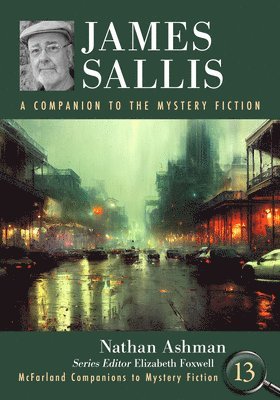
Once described as "the best crime writer you've never heard of," James Sallis is a largely underexplored figure in contemporary American literature. Best known for his thriller novel Drive--later adapted into the acclaimed 2011 movie of the same name starring Ryan Gosling and Carey Mulligan--Sallis has written across a range of genres and forms, including short fiction, poetry, musicology, science fiction, biography, nonfiction essays, literary reviews, and criticism. This companion, the first comprehensive examination of Sallis' writings, locates him as a vital voice within mystery fiction. In addition to an alphabetized analysis of his works, it includes a biography, career chronology, and an interview with the author. Readers will gain a deeper understanding of Sallis' extraordinary life and career, as well as insight into the recurrent themes and motifs of his rich and varied writings. This book is both an introduction to Sallis' work for new readers and a thorough reference guide for established fans and scholars.
1 314 kr
Skickas inom 10-15 vardagar
James Ellroy is an acclaimed yet controversial popular novelist. Since the publication of his first novel Brown’s Requiem in 1981, Ellroy’s eccentric “Demon Dog” persona and his highly stylized, often pornographically violent crime novels have continued to polarize both public and academic opinion. This book addresses the voyeuristic dimensions of Ellroy’s fiction, one of the most significant yet underexplored issues in his work. Focusing exclusively on Ellroy’s two collections of epic noir fiction, The L.A. Quartet and The Underworld U.S.A. Trilogy, it critically reflects on a vivid preoccupation with eyes, visual culture, and visual technologies that spans across both these bodies of work. Using a combination of psychoanalysis and postmodern and cultural theory, Nathan Ashman argues that Ellroy’s fiction traces the development of the voyeur from a deviant and perverse “peeping tom” into a recognizable, contemporary “social type,” a paranoid and obsessive viewer who is a product of the decentered and hallucinatory ”cinematic” world that he inhabits. In particular, James Ellroy and Voyeur Fiction illuminates a convergence between voyeurism and recurring patterns of “ocularcentric crisis” in Ellroy’s texts, as characters become continually unable to understand or interpret through vision. Alongside a thematic analysis of obsessive watching, Ashman also argues that Ellroy’s works—particularly his later novels—are themselves voyeuristic, implicating the reader in these broader narrative patterns of both visual and epistemophilic obsession.