Negar Azimi - Böcker
Visar alla böcker från författaren Negar Azimi. Handla med fri frakt och snabb leverans.
3 produkter
3 produkter
415 kr
Skickas inom 7-10 vardagar
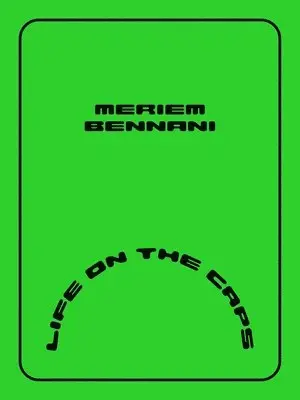
A catalog for an exhibition of the latest chapter in Miriem Bennani’s CAPS film project.Meriem Bennani is a Moroccan artist who lives and works in New York. Life on the CAPS is the final chapter in her film trilogy of the same name. Set in a supernatural, dystopian future surrounding a fictional island in the middle of the Atlantic Ocean, it is rooted in Bennani’s research and reflections on the histories of island societies, biotechnology, and vernacular music. Layering live-action footage and computer-generated animation, Bennani intuitively adapts editing techniques that evoke documentary film, science fiction, phone footage, music videos, and reality TV. Her one-person exhibition at the Renaissance Society marked the debut of this personal, electric yet melancholic consideration of what it is to live in a state of limbo, and this accompanying book captures the film through a combination of still images and selections from a transcript of the film.Enacting a variety of cunning shifts, Life on the CAPS moves fluidly from the imaginary to the geopolitical and ranges from the microscopic scale of DNA to the global eye of surveillance. At the same time, it engages with the power of individual experience as well as the power of collectivity while building on an emotive, formal experimentation that refutes boundaries.This volume includes transcripts of conversations between Meriem Bennani and Omar Berrada, Fatima Al Quadiri and Bidoun, Amal Benzekri, and Aziz Bouyabrine.
257 kr
Tillfälligt slut
In an essay here, cultural critic and curator Negar Azimi articulates a singular problem of being a photographer in the Arab Middle East. "Taswir" (or picture making), according to many Arab scholars, is prohibited by Muslim law, thus the "notorious adage 'mamnous el taswir' (forbidden to photograph)... Exists in ubiquitous fashion, seemingly at every turn of the photographer's visual field." Keeping that in mind makes this unprecedented and multifaceted view of the Arab world as seen through the eyes of 56 Arab and Western photographers, the only current survey of its kind, an especially stimulating collection. Western readers will be introduced to multiple generations of photographers (male and female) previously little known outside the Middle East. Originally assembled for the highly acclaimed exhibition "Nazar" at the Noorderlicht Festival in the Netherlands, these pictures comprise the largest compilation of Arab photographs ever exhibited in the West. Covering both documentary and fine art photography and ranging from North Africa to Lebanon and Palestine, from Iraq to Syria and Saudi Arabia, this book will open an often shuttered world. For example, Nadia Benchallal, who has assisted Annie Liebowitz and Arthur Elgort, offers black-and-white portraits of people who straddle Algerian-French culture, and Randa Shaath has recorded, from her high-rise apartment in Cairo, the lives of a shadow society of rooftop dwellers in the city. "Nazar," which means "seeing, insight, reflection" in Arabic, challenges preconceptions and reveals a complexity of Arab life not glimpsed on the nightly news.
425 kr
Skickas inom 7-10 vardagar
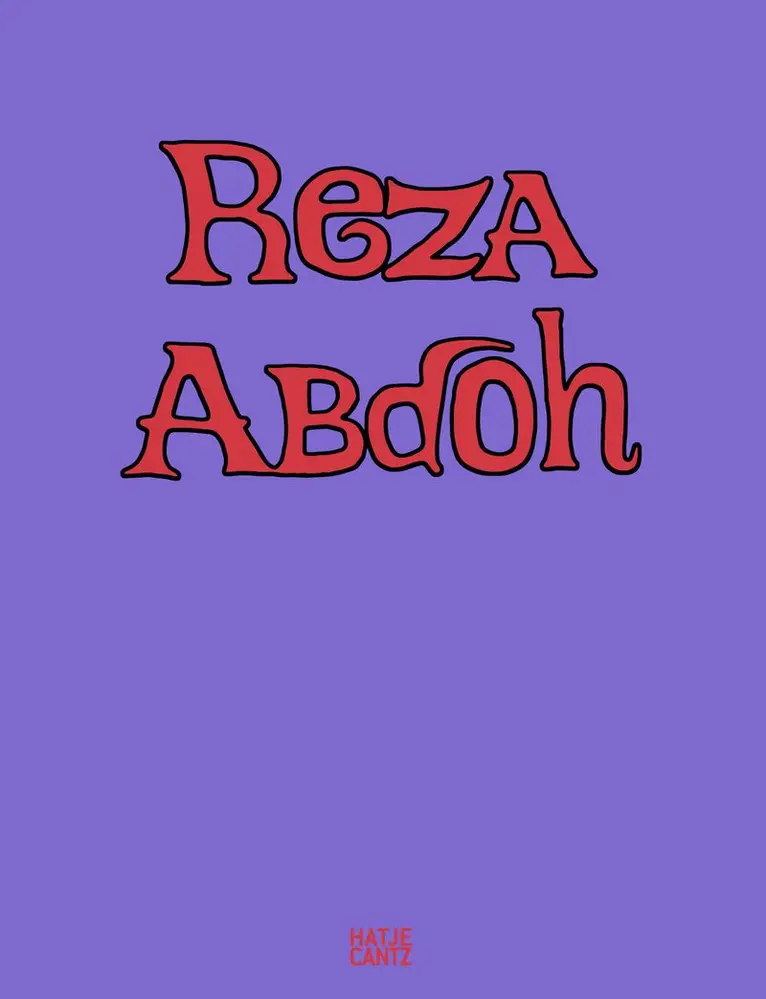
Over a brief, twelve-year career, the Iranian director and playwright Reza Abdoh broke all of the conventions of American theater, pushing actors and audiences past their limits to create hallucinatory, at times nightmarish, dreamscapes shot through with humor, song, and an unlikely spirituality. His productions addressed the bitter political realities of his time— the systemic devaluation of black life, governmental indifference to the AIDS crisis, sexual repression, genocide in Europe, and war in the Middle East—with harrowing eloquence. Just before his death he ordered that his plays should never be performed again. Profusely illustrated, the catalogue contains new essays on the influence and reception of Abdoh’s works in theater, film, and video, published and unpublished interviews with the director, and conversations with his friends and colleagues, as well as scripts of his plays and contemporary reviews.