Nicholas Breyfogle - Böcker
Visar alla böcker från författaren Nicholas Breyfogle. Handla med fri frakt och snabb leverans.
7 produkter
7 produkter
2 230 kr
Skickas inom 10-15 vardagar
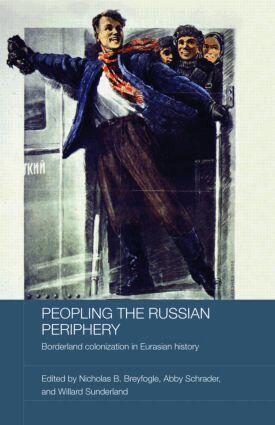
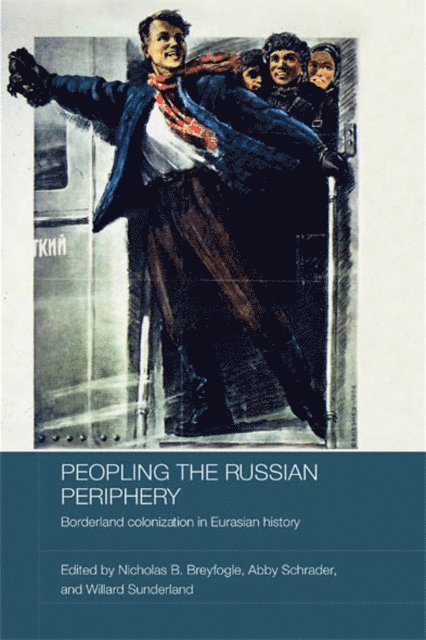
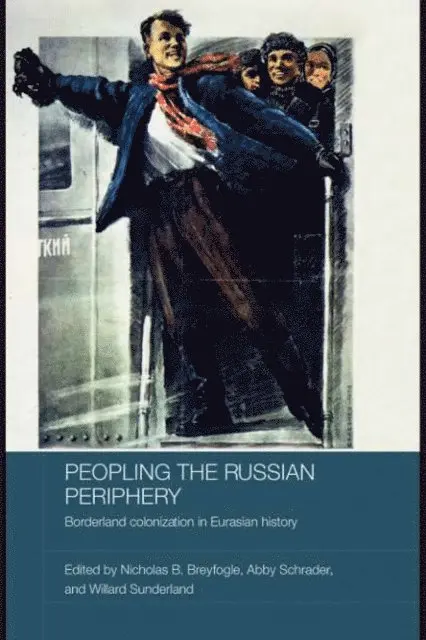
Though usually forgotten in general surveys of European colonization, the Russians were among the greatest colonizers of the Old World, eventually settling across most of the immense expanse of Northern Europe and Asia, from the Baltic and the Pacific, and from the Arctic Ocean to Central Asia. This book makes a unique contribution to our understanding of the Eurasian past by examining the policies, practices, cultural representations, and daily-life experiences of Slavic settlement in non-Russian regions of Eurasia from the time of Ivan the Terrible to the nuclear era. The movement of tens of millions of Slavic settlers was a central component of Russian empire-building, and of the everyday life of numerous social and ethnic groups and remains a crucial regional security issue today, yet it remains relatively understudied. Peopling the Russian Periphery redresses this omission through a detailed exploration of the varied meanings and dynamics of Slavic settlement from the sixteenth century to the 1960s. Providing an account of the different approaches of settlement and expansion that were adopted in different periods of history, it includes detailed case studies of particular episodes of migration. Written by upcoming and established experts in Russian history, with exceptional geographical and chronological breadth, this book provides a thorough examination of the history of Slavic settlement and migration from the Muscovite to the Soviet era. It will be of great interest to students and scholars of Russian history, comparative history of colonization, migration, interethnic contact, environmental history and European Imperialism.
835 kr
Skickas inom 10-15 vardagar
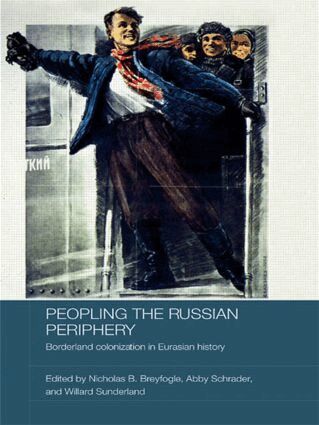
Though usually forgotten in general surveys of European colonization, the Russians were among the greatest colonizers of the Old World, eventually settling across most of the immense expanse of Northern Europe and Asia, from the Baltic and the Pacific, and from the Arctic Ocean to Central Asia. This book makes a unique contribution to our understanding of the Eurasian past by examining the policies, practices, cultural representations, and daily-life experiences of Slavic settlement in non-Russian regions of Eurasia from the time of Ivan the Terrible to the nuclear era. The movement of tens of millions of Slavic settlers was a central component of Russian empire-building, and of the everyday life of numerous social and ethnic groups and remains a crucial regional security issue today, yet it remains relatively understudied. Peopling the Russian Periphery redresses this omission through a detailed exploration of the varied meanings and dynamics of Slavic settlement from the sixteenth century to the 1960s. Providing an account of the different approaches of settlement and expansion that were adopted in different periods of history, it includes detailed case studies of particular episodes of migration. Written by upcoming and established experts in Russian history, with exceptional geographical and chronological breadth, this book provides a thorough examination of the history of Slavic settlement and migration from the Muscovite to the Soviet era. It will be of great interest to students and scholars of Russian history, comparative history of colonization, migration, interethnic contact, environmental history and European Imperialism.
1 890 kr
Kommande
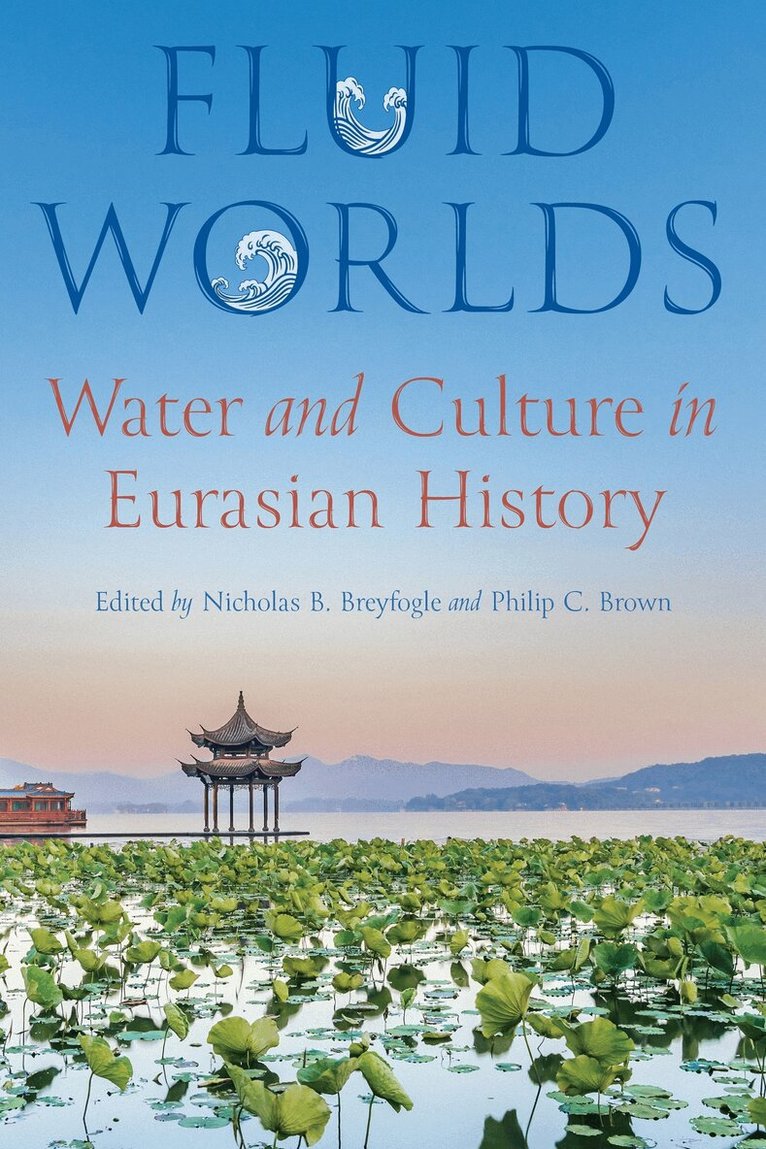
Bodies of water have played myriad roles in human history—as cultural landmarks, foundation myths and origin stories, symbols of identity, sources of political legitimacy, and as ways of constructing shared values. Focusing on the rivers, lakes, glaciers, and seas of Eurasia—including China, Japan, Korea, Vietnam, Central Asia, the tsarist empire, and the Soviet Union—Fluid Worlds investigates water’s role in human culture, from the fourteenth century to the twenty-first. As the authors of this edited collection show, political authority, social status, and cultural importance have been core categories for producing knowledge about water. Ultimately, how humans think about and assign value to water affects the actions they take to try to control, transform, or move it, from hydroelectric dam building to waterscape conservation. Today, as the world population grows, water supplies are polluted, glaciers melt, sea levels rise, and aquifers deplete, we face profound ethical and ideological questions about managing the world’s water. Lessons from the historical relationships between human culture and water will take on increasing relevance as we consider how to answer these questions to shape our future.
Eurasian Environments
Nature and Ecology in Imperial Russian and Soviet History
Häftad, Engelska, 2018
783 kr
Skickas inom 7-10 vardagar
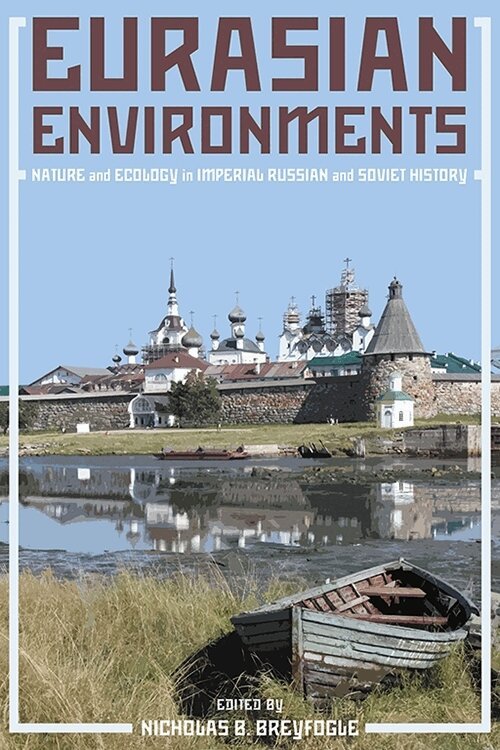
Through a series of essays, Eurasian Environments prompts us to rethink our understanding of tsarist and Soviet history by placing the human experience within the larger environmental context of flora, fauna, geology, and climate. This book is a broad look at the environmental history of Eurasia, specifically examining steppe environments, hydraulic engineering, soil and forestry, water pollution, fishing, and the interaction of the environment and disease vectors. Throughout, the authors place the history of Imperial Russia and the Soviet Union in a trans-chronological, comparative context, seamlessly linking the local and the global. The chapters are rooted in the ecological and geological specificities of place and community while unveiling the broad patterns of human-nature relationships across the planet. Eurasian Environments brings together an international group scholars working on issues of tsarist/Soviet environmental history in an effort to showcase the wave of fascinating and field-changing research currently being written.
760 kr
Kommande
Bodies of water have played myriad roles in human history—as cultural landmarks, foundation myths and origin stories, symbols of identity, sources of political legitimacy, and as ways of constructing shared values. Focusing on the rivers, lakes, glaciers, and seas of Eurasia—including China, Japan, Korea, Vietnam, Central Asia, the tsarist empire, and the Soviet Union—Fluid Worlds investigates water’s role in human culture, from the fourteenth century to the twenty-first. As the authors of this edited collection show, political authority, social status, and cultural importance have been core categories for producing knowledge about water. Ultimately, how humans think about and assign value to water affects the actions they take to try to control, transform, or move it, from hydroelectric dam building to waterscape conservation. Today, as the world population grows, water supplies are polluted, glaciers melt, sea levels rise, and aquifers deplete, we face profound ethical and ideological questions about managing the world’s water. Lessons from the historical relationships between human culture and water will take on increasing relevance as we consider how to answer these questions to shape our future.
1 132 kr
Skickas inom 5-8 vardagar
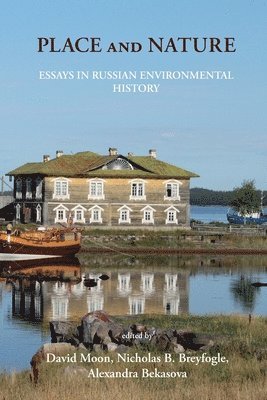
Exploring Russia's Environmental HistoryThis book offers new perspectives on the environmental history of lands that have come under Russian and Soviet rule by paying attention to 'place' and 'nature' in the intersection between humans and the environments that surround them. Through case studies of specific places in northwestern Russia, for example the Solovetskie Islands, the Urals, Siberia, in particular Lake Baikal, and the Russian Far East, the book highlights the importance of local environments and the specificities of individual places and spaces in understanding the human-nature nexus. This focus is accentuated by the fact that the authors have considerable, first-hand experience of the places they write about that complements and supplements their research in textual sources.
526 kr
Skickas inom 5-8 vardagar