Nicholas Heron – författare
Visar alla böcker från författaren Nicholas Heron. Handla med fri frakt och snabb leverans.
3 produkter
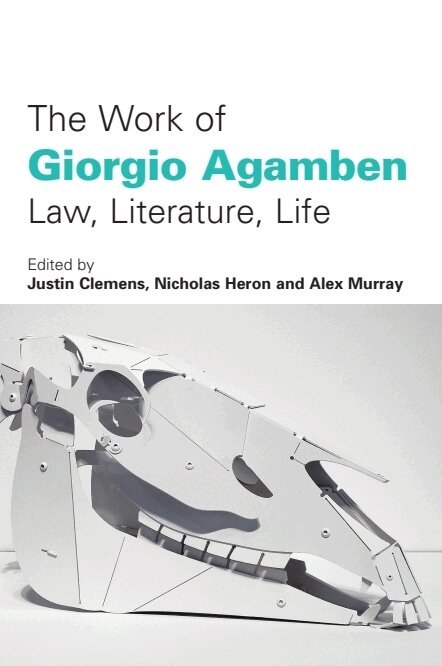
Work of Giorgio Agamben
Law, Literature, Life
Av Justin Clemens, Nicholas Heron m. fl.
Häftad, 2011
378 kr
Lägg i varukorg
More than any other thinker, Giorgio Agamben shows us that philosophy is also a matter of style, and politics a matter of poetics. This book explores the unexpected and illuminating paths that his work traces across the territories of law and literature, linguistics, dance or cinema, in search of a …
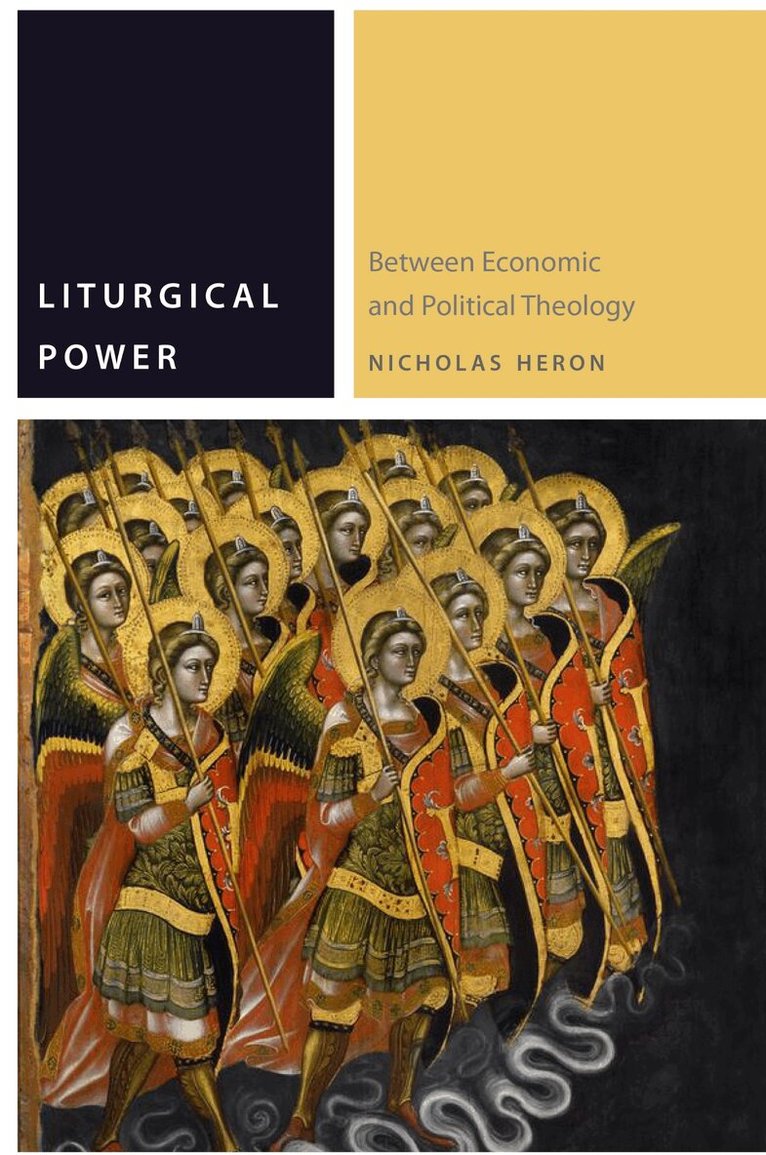
Liturgical Power
Between Economic and Political Theology
Häftad, 2017
375 kr
Lägg i varukorg
Is Christianity exclusively a religious phenomenon, which must separate itself from all things political, or do its concepts actually underpin secular politics? To this question, which animated the twentieth-century debate on political theology, Liturgical Power advances a third alternative. …
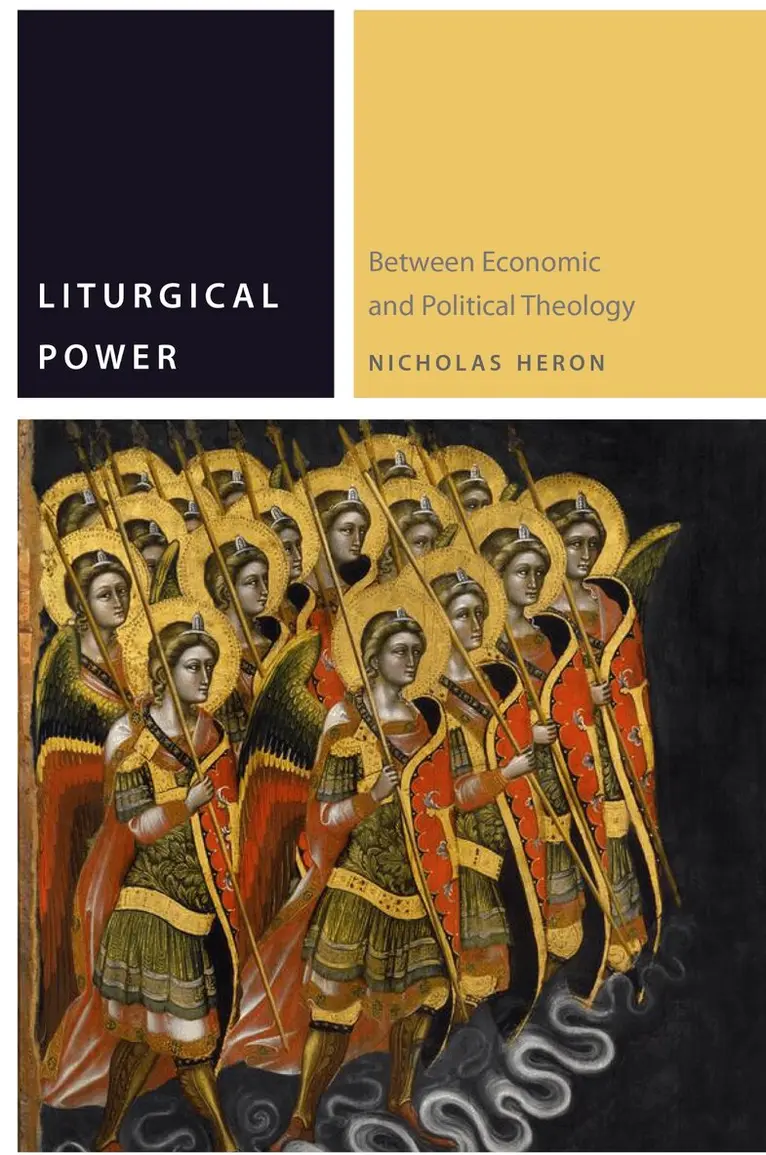
Liturgical Power
Between Economic and Political Theology
Inbunden, 2017
1185 kr
Tillfälligt slut
Is Christianity exclusively a religious phenomenon, which must separate itself from all things political, or do its concepts actually underpin secular politics? To this question, which animated the twentieth-century debate on political theology, Liturgical Power advances a third alternative. …