Nicholas Limerick - Böcker
Visar alla böcker från författaren Nicholas Limerick. Handla med fri frakt och snabb leverans.
4 produkter
4 produkter
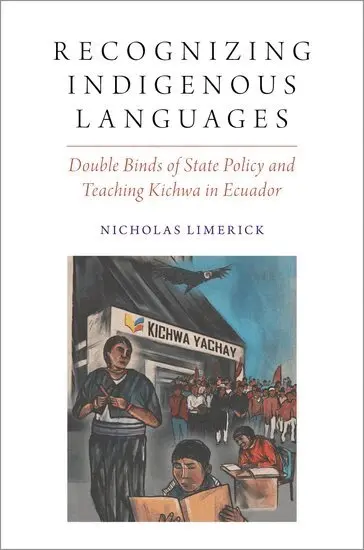
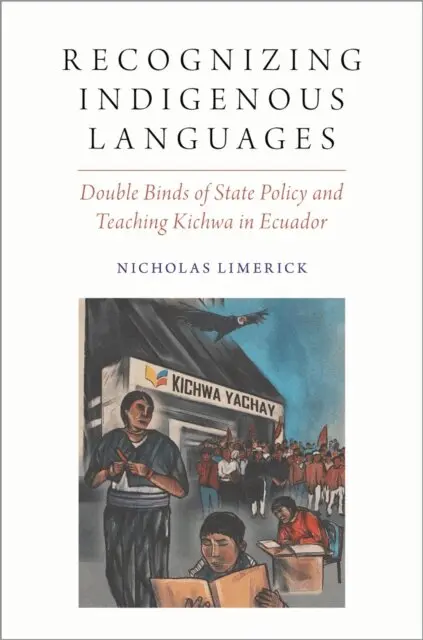
Recognizing Indigenous Languages
Double Binds of State Policy and Teaching Kichwa in Ecuador
Inbunden, Engelska, 2023
1 152 kr
Skickas inom 7-10 vardagar
What follows when state institutions name historically oppressed languages as official? What happens when bilingual education activists gain the right to coordinate schooling from upper-level state offices? The intercultural bilingual school system in Ecuador has been one of the most prominent referents of Indigenous education in the Americas. Since its establishment in 1988, members of Ecuador's pueblos and nationalities have coordinated a second national school system that includes the teaching of Indigenous languages. Based on more than two years of ethnographic research in Ecuador's Ministry of Education, at international and national conferences, in workshops, in schools, and with families, Recognizing Indigenous Languages considers how state agents carry out linguistic and educational politics and policies in eras of greater inclusivity and multiculturalism. This book shows how institutional advances for bilingual education and Indigenous languages have been premised on affirming the equality-and the equivalency-of the linguistic and cultural practices of members of Indigenous pueblos and nationalities with other Ecuadorians. Major responsibilities like serving as national state agents, crafting a standardized variety of the Kichwa language family, translating legal documents to Kichwa, and teaching Indigenous languages in schools have provided vast authority, representation, and visibility for those languages and their speakers. However, the everyday work of directing a school system and making Kichwa a language of the state includes double binds that work against the very goals of autonomous schooling and getting people to speak and write Kichwa.
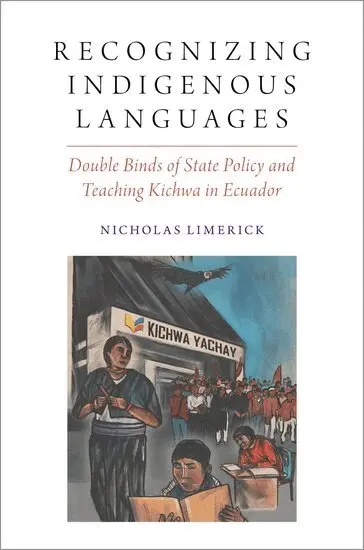
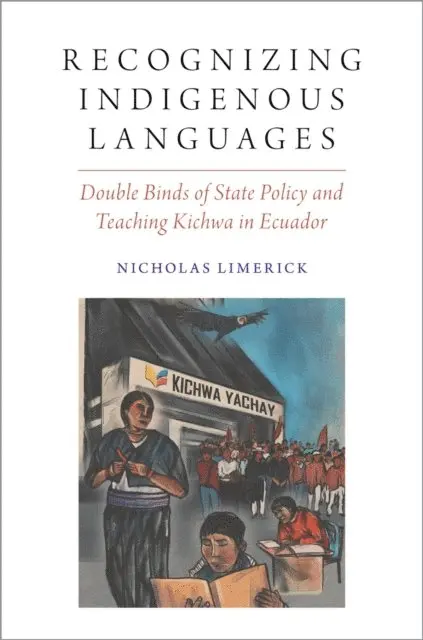
Recognizing Indigenous Languages
Double Binds of State Policy and Teaching Kichwa in Ecuador
Häftad, Engelska, 2023
349 kr
Skickas inom 5-8 vardagar
What follows when state institutions name historically oppressed languages as official? What happens when bilingual education activists gain the right to coordinate schooling from upper-level state offices? The intercultural bilingual school system in Ecuador has been one of the most prominent referents of Indigenous education in the Americas. Since its establishment in 1988, members of Ecuador's pueblos and nationalities have coordinated a second national school system that includes the teaching of Indigenous languages. Based on more than two years of ethnographic research in Ecuador's Ministry of Education, at international and national conferences, in workshops, in schools, and with families, Recognizing Indigenous Languages considers how state agents carry out linguistic and educational politics and policies in eras of greater inclusivity and multiculturalism. This book shows how institutional advances for bilingual education and Indigenous languages have been premised on affirming the equality-and the equivalency-of the linguistic and cultural practices of members of Indigenous pueblos and nationalities with other Ecuadorians. Major responsibilities like serving as national state agents, crafting a standardized variety of the Kichwa language family, translating legal documents to Kichwa, and teaching Indigenous languages in schools have provided vast authority, representation, and visibility for those languages and their speakers. However, the everyday work of directing a school system and making Kichwa a language of the state includes double binds that work against the very goals of autonomous schooling and getting people to speak and write Kichwa.
Multilingual Nations, Monolingual Schools
Confronting Colonial Language Policies Across the Americas
Häftad, Engelska, 2024
701 kr
Skickas inom 7-10 vardagar
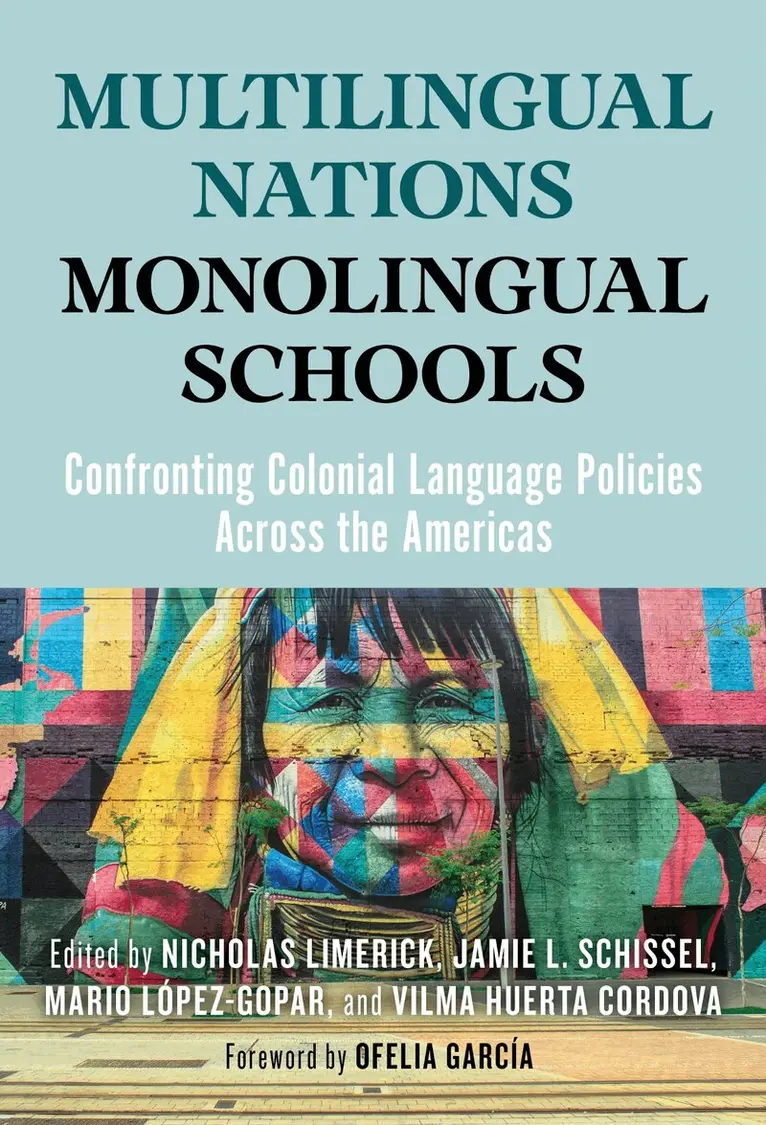
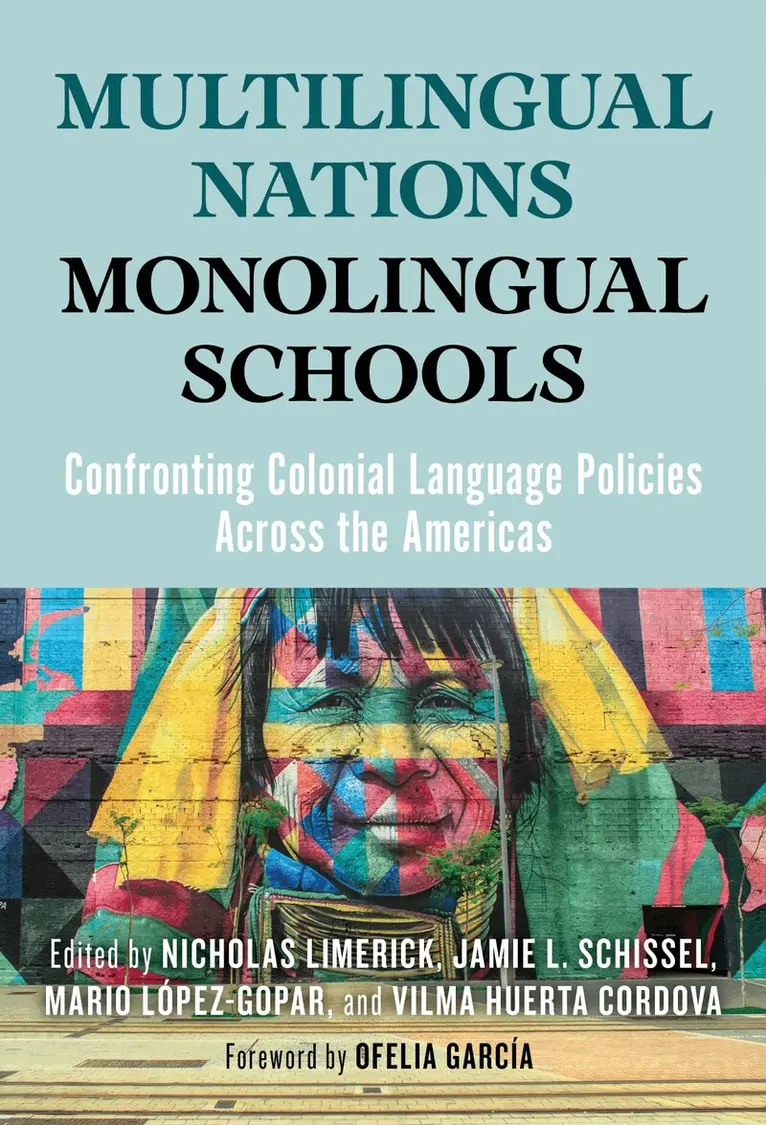
The effects of colonialism in education and society have deep and difficult legacies. This book argues that it is necessary to better understand the deep roots of colonialism in order to realize justice and overturn forms of oppression in education policy, in classrooms, or in family and community-based education. Highlighting research from across Abya-Yala with examples from various parts of North, Central, and South America, chapter authors explore the ways that colonialism manifests in current educational policy and practice; how this happens through language use and communication; and, by starting locally, what comparisons can be gained across different cases across the continent. This volume examines forms of communication and knowledge--such as Indigenous and/or colonial languages, standardized testing, and institutionally sanctioned forms of literacy--and seeks to historicize, provide further context, look at other cases, and follow encouraging examples with the goal of interrupting colonial trajectories.Book Features:Offers a unique focus on education, colonialism, and language across the Americas.Challenges current education status quos, including some that aim to decolonize, in language policy, international education, and educational development.Presents a multiplicity of positionalities and methods and brings together scholars who conduct research and reside in locales across the continent.
Multilingual Nations, Monolingual Schools
Confronting Colonial Language Policies Across the Americas
Inbunden, Engelska, 2024
2 042 kr
Skickas inom 7-10 vardagar
The effects of colonialism in education and society have deep and difficult legacies. This book argues that it is necessary to better understand the deep roots of colonialism in order to realize justice and overturn forms of oppression in education policy, in classrooms, or in family and community-based education. Highlighting research from across Abya-Yala with examples from various parts of North, Central, and South America, chapter authors explore the ways that colonialism manifests in current educational policy and practice; how this happens through language use and communication; and, by starting locally, what comparisons can be gained across different cases across the continent. This volume examines forms of communication and knowledge--such as Indigenous and/or colonial languages, standardized testing, and institutionally sanctioned forms of literacy--and seeks to historicize, provide further context, look at other cases, and follow encouraging examples with the goal of interrupting colonial trajectories.Book Features:Offers a unique focus on education, colonialism, and language across the Americas.Challenges current education status quos, including some that aim to decolonize, in language policy, international education, and educational development.Presents a multiplicity of positionalities and methods and brings together scholars who conduct research and reside in locales across the continent.