
Nicholas Saunders – författare
Visar alla böcker från författaren Nicholas Saunders. Handla med fri frakt och snabb leverans.
5 produkter
5 produkter
670 kr
Skickas inom 7-10 vardagar
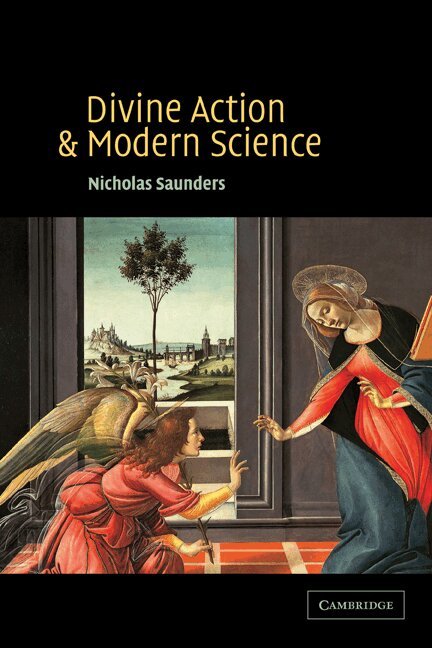
Divine Action and Modern Science considers the relationship between the natural sciences and the concept of God acting in the world. Nicholas Saunders examines the Biblical motivations for asserting a continuing notion of divine action and identifies several different theological approaches to the problem. He considers their theoretical relationships with the laws of nature, indeterminism, and probabilistic causation. His book then embarks on a radical critique of current attempts to reconcile special divine action with quantum theory, chaos theory and quantum chaos. As well as considering the implications of these problems for common interpretations of divine action, Saunders also surveys and codifies the many different theological, philosophical and scientific responses to divine action. The conclusion reached is that we are still far from a satisfactory account of how God might act in a manner that is consonant with modern science despite the copious recent scholarship in this area.
1 081 kr
Skickas inom 7-10 vardagar
Divine Action and Modern Science considers the relationship between the natural sciences and the concept of God acting in the world. Nicholas Saunders examines the Biblical motivations for asserting a continuing notion of divine action and identifies several different theological approaches to the problem. He considers their theoretical relationships with the laws of nature, indeterminism, and probabilistic causation. His book then embarks on a radical critique of current attempts to reconcile special divine action with quantum theory, chaos theory and quantum chaos. As well as considering the implications of these problems for common interpretations of divine action, Saunders also surveys and codifies the many different theological, philosophical and scientific responses to divine action. The conclusion reached is that we are still far from a satisfactory account of how God might act in a manner that is consonant with modern science despite the copious recent scholarship in this area.
Peoples of the Caribbean
An Encyclopedia of Archaeology and Traditional Culture
Inbunden, Engelska, 2005
1 106 kr
Skickas inom 10-15 vardagar
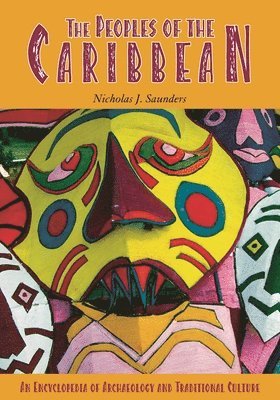
A true "first," this encyclopedia is the only comprehensive guide ever published on the archaeology and traditional culture of the Caribbean.In The Peoples of the Caribbean, archaeologist Nicholas J. Saunders assembles for the first time a comprehensive sourcebook on the archaeology, folklore, and mythology of the entire region, charting a story 7,000 years in the making. Drawing on decades of study in the Caribbean and South America, Saunders explores landmark archaeological sites, such as Caguana in Puerto Rico, with its ceremonial architecture and ballcourts, and plantation sites, such as Jamaica's Drax Hall.The author dives into the underwater archaeology of Spanish treasure galleons and untangles stories of cannibalism, zombies, and hallucinogenic snuffing rituals. He examines the impact of key Europeans, such as Christopher Columbus, and introduces readers to the native people, such as the Arawak, who welcomed them. Bringing the story up-to-date, Saunders chronicles the struggle of the indigenous people, from the Caribs of Dominica to the Taíno of the Dominican Republic, trying to reclaim and revitalize their historical cultural identity.500 A–Z entries on all major prehistoric civilizations and archaeological sites ranging from Amazons and Black Legend to Shamanism and VodounComprehensive introductory essay providing a framework of the archaeological and cultural heritage of the Caribbean peoplesReferences with each entry as well as a comprehensive end-of-volume bibliography, making further research easyChronology of the Caribbean's diverse prehistoric, colonial, and modern peoples from c. 5,000 B.C. to the present
2 171 kr
Skickas inom 10-15 vardagar
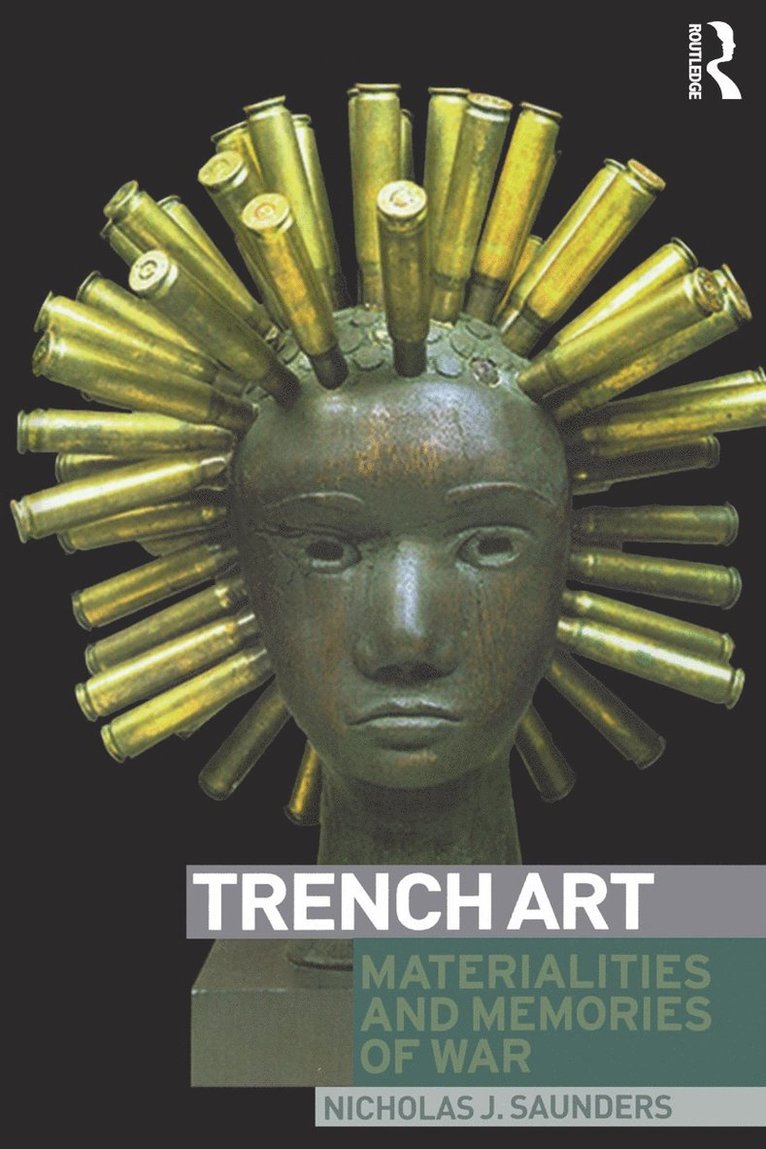
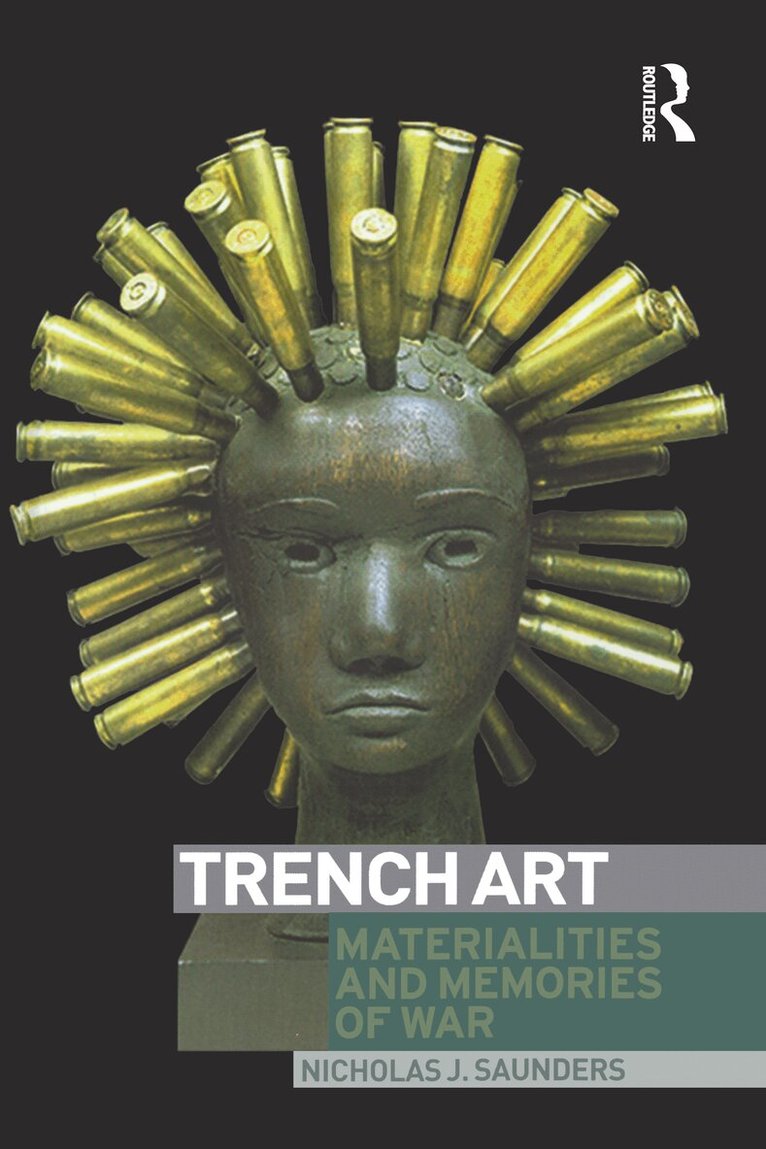
Trench art is the evocative name given to a dazzling array of objects made from the waste of industrialized war. Each object, whether an engraved shell case, cigarette lighter or a pen made from shrapnel, tells a unique and moving story about its maker. For the first time, this book explores in-depth the history and cultural importance behind these ambiguous art forms. Not only do they symbolize human responses to the atrocities of war, but they also act as mediators between soldiers and civilians, individuals and industrial society, and, most importantly, between the living and the dead. Trench art resonates most obviously with the terror of endless bombardment, night raids, gas attacks and the bestial nature of trench life. It grew in popularity between 1919 and 1939 when the bereaved embarked on battlefield pilgrimages and returned with objects intended to keep alive the memory of loved ones. The term trench art is, however, misleading, as it does not simply refer to materials found in the trenches. It describes a diverse range of objects that have in some way emerged from the experience of war all over the world. Many distinctive objects, for example, were made during conflicts in Bosnia, Vietnam, Northern Ireland and Korea. Surprisingly, trench art predates World War I and it can be made in a number of earlier wars such as the Crimean War, the American Civil War, and the Boer War. Saunders looks at the broader issues of what is meant by trench art, what it was before the trenches and how it fits in with other art movements, as well as the specific materials used in making it. He suggests that it can be seen as a bridge between the nineteenth century certainties and the fragmented industrialized values and ideals of the modern world. This long overdue study offers an original and informative look at one of the most arresting forms of art. Spanning from 1800 to the present day, its analysis of art, human experience, and warfare will pave the way for new research.
565 kr
Skickas inom 10-15 vardagar
Trench art is the evocative name given to a dazzling array of objects made from the waste of industrialized war. Each object, whether an engraved shell case, cigarette lighter or a pen made from shrapnel, tells a unique and moving story about its maker. For the first time, this book explores in-depth the history and cultural importance behind these ambiguous art forms. Not only do they symbolize human responses to the atrocities of war, but they also act as mediators between soldiers and civilians, individuals and industrial society, and, most importantly, between the living and the dead. Trench art resonates most obviously with the terror of endless bombardment, night raids, gas attacks and the bestial nature of trench life. It grew in popularity between 1919 and 1939 when the bereaved embarked on battlefield pilgrimages and returned with objects intended to keep alive the memory of loved ones. The term trench art is, however, misleading, as it does not simply refer to materials found in the trenches. It describes a diverse range of objects that have in some way emerged from the experience of war all over the world. Many distinctive objects, for example, were made during conflicts in Bosnia, Vietnam, Northern Ireland and Korea. Surprisingly, trench art predates World War I and it can be made in a number of earlier wars such as the Crimean War, the American Civil War, and the Boer War. Saunders looks at the broader issues of what is meant by trench art, what it was before the trenches and how it fits in with other art movements, as well as the specific materials used in making it. He suggests that it can be seen as a bridge between the nineteenth century certainties and the fragmented industrialized values and ideals of the modern world. This long overdue study offers an original and informative look at one of the most arresting forms of art. Spanning from 1800 to the present day, its analysis of art, human experience, and warfare will pave the way for new research.