Nicole Dołowy-Rybińska - Böcker
Visar alla böcker från författaren Nicole Dołowy-Rybińska. Handla med fri frakt och snabb leverans.
2 produkter
2 produkter
Del 14 - Sprach- und Kulturkontakte in Europas Mitte
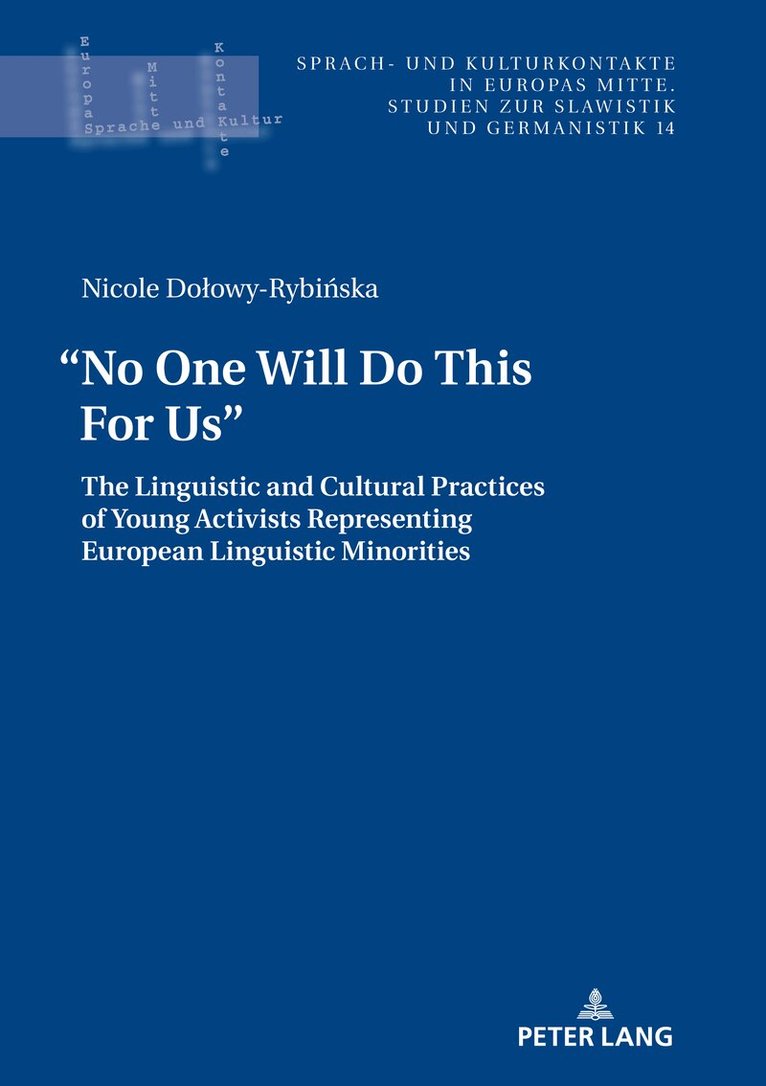
“No One Will Do This For Us”.
The Linguistic and Cultural Practices of Young Activists Representing European Linguistic Minorities
Inbunden, Engelska, 2020
828 kr
Skickas inom 5-8 vardagar
This book presents a portrait of actively engaged young people representing four linguistic minorities in Europe: the Kashubs (in Poland), the Upper Sorbs (in Germany), the Bretons (in France), and the Welsh (in the United Kingdom). In numerous statements cited in the book, drawn from interviews conducted by the author, young people speak for themselves and serve as guides to their minority cultures. They draw attention to the difficulties and challenges they encounter in their day-to-day life and activism. Based on their statements, the book examines the sociolinguistic situation of each of the minorities, the prevailing linguistic ideologies and the role of minority education; it also distinguishes different types of minority language speakers. The analysis focuses on the cultural and identity-forming practices of young people in the context of different forms of community life and their different pathways to becoming engaged representing their cultures and languages.
Del 1 - Language Revitalisation and Language Development
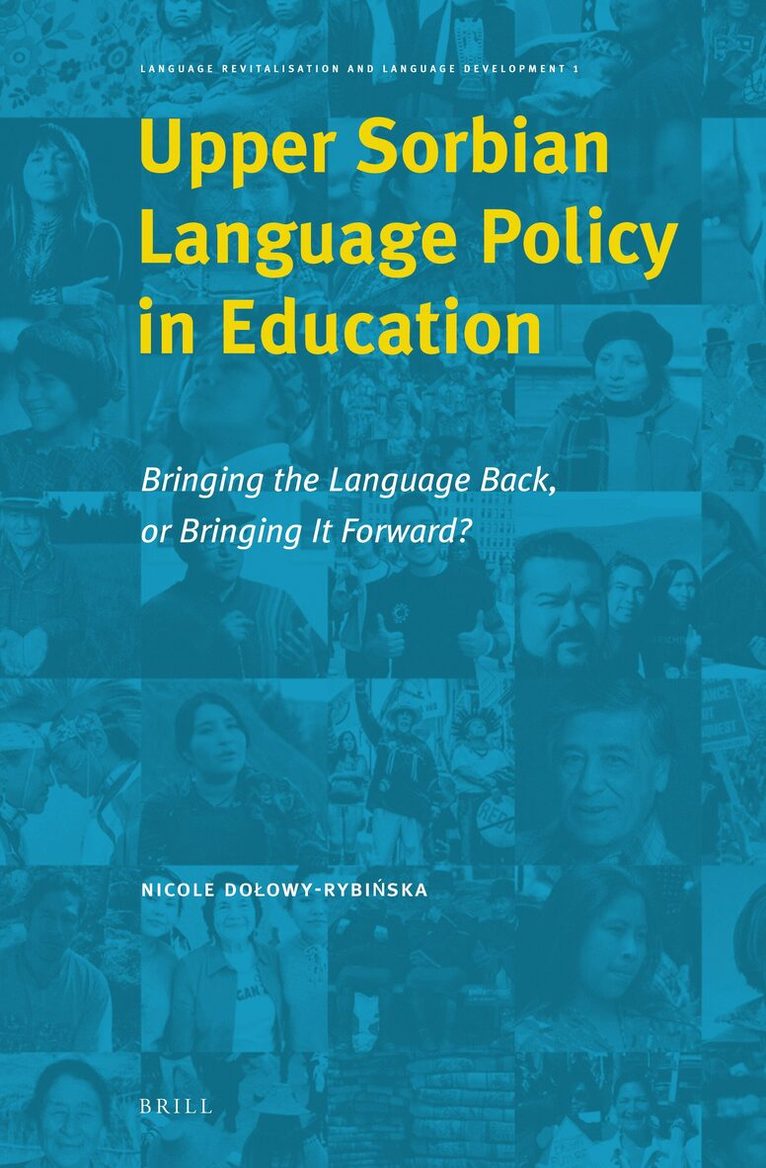
Upper Sorbian Language Policy in Education
Bringing the Language Back, or Bringing It Forward?
Inbunden, Engelska, 2023
2 108 kr
Skickas inom 5-8 vardagar
This book deals with the tension between a strategy of language maintenance (protecting and reinforcing the language where it is still spoken by community members) and a strategy of language revitalization (opening up access to the language to all interested people and encouraging new domains of its use). The case study presented concerns a grammar school in Upper Lusatia, which hosts the coexistence of a community of Upper Sorbian-speakers and a group of German native speakers who are learning Upper Sorbian at school. The tensions between these two groups studying at the same school are presented in this book against the background of various language strategies, practices and ideologies. The conflict of interests between the “traditional” community which perceives itself as the “guardians” of the minority language and its potential new speakers is played off on different levels by policy-makers and may be read through different levels of language policy and planning.