Andrzej Kątny - Böcker
Visar alla böcker från författaren Andrzej Kątny. Handla med fri frakt och snabb leverans.
3 produkter
3 produkter
Del 58 - Danziger Beitraege Zur Germanistik
Texte komponieren, von Klaengen erzaehlen
Studien zu den Beziehungen von Literatur und Musik
Inbunden, Tyska, 2019
842 kr
Skickas inom 5-8 vardagar
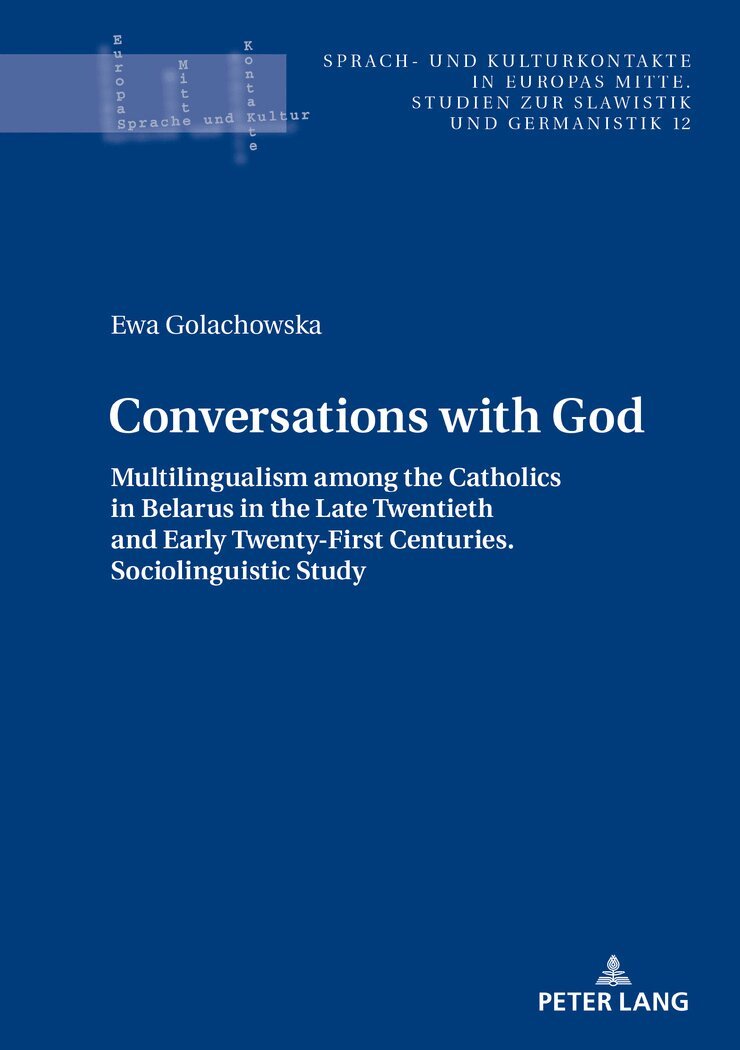
Del 12 - Sprach- und Kulturkontakte in Europas Mitte
Conversations with God
Multilingualism among the Catholics in Belarus in the Late Twentieth and Early Twenty-First Centuries. Sociolinguistic study
Inbunden, Engelska, 2020
778 kr
Skickas inom 5-8 vardagar
The book discusses the sociolinguistic status and prestige of the Polish language and the changes in the national identity of Catholics in Belarus due to the switch from Polish to Belarusian in the Catholic Church. The research shows that the national identification of Catholics in Belarus is changing. The oldest generations most often self-identify as Polish. For those from the middle and youngest generations, the link between nationality and their religion is not obvious as being a Catholic does not exclude a Belarusian self-identity. Belonging to the Catholic Church results from being baptized in the Catholic rite, while national identity can be defined in many ways and re-defined by various life experiences. Catholicism has proven to be a less debated and more durable category than nationality.
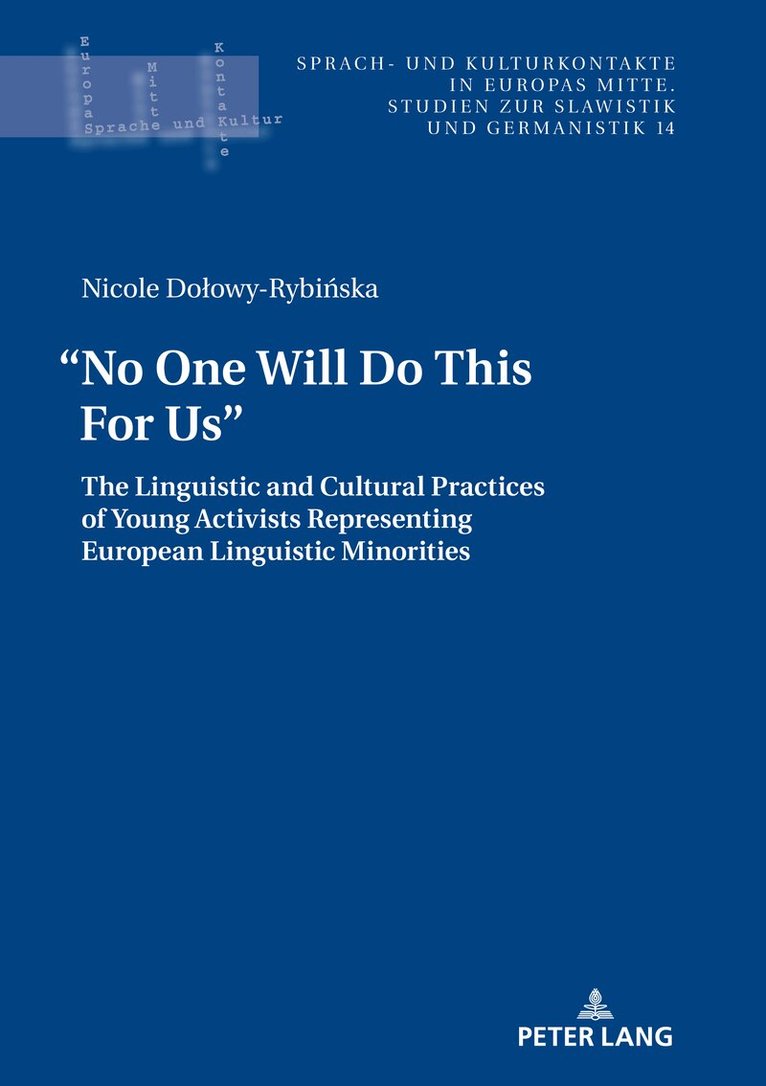
Del 14 - Sprach- und Kulturkontakte in Europas Mitte
“No One Will Do This For Us”.
The Linguistic and Cultural Practices of Young Activists Representing European Linguistic Minorities
Inbunden, Engelska, 2020
828 kr
Skickas inom 5-8 vardagar
This book presents a portrait of actively engaged young people representing four linguistic minorities in Europe: the Kashubs (in Poland), the Upper Sorbs (in Germany), the Bretons (in France), and the Welsh (in the United Kingdom). In numerous statements cited in the book, drawn from interviews conducted by the author, young people speak for themselves and serve as guides to their minority cultures. They draw attention to the difficulties and challenges they encounter in their day-to-day life and activism. Based on their statements, the book examines the sociolinguistic situation of each of the minorities, the prevailing linguistic ideologies and the role of minority education; it also distinguishes different types of minority language speakers. The analysis focuses on the cultural and identity-forming practices of young people in the context of different forms of community life and their different pathways to becoming engaged representing their cultures and languages.