Nigel M. de S. Cameron - Böcker
Visar alla böcker från författaren Nigel M. de S. Cameron. Handla med fri frakt och snabb leverans.
6 produkter
6 produkter
177 kr
Skickas inom 5-8 vardagar
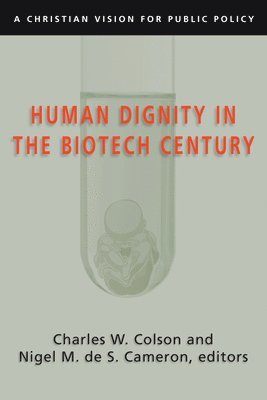
Stem-cell research. Cloning. Genetic engineering. Today, discoveries in biotechnology are occurring so rapidly that we can barely begin to address one ethical debate before another looms overhead. This brave new world we've entered is a daunting one as well, with disturbing implications for the sanctity of life and for human nature itself. How should we respond as Christians?Drawing on an abundance of cutting-edge information and life experience, Joni Eareckson Tada and Nigel M. de S. Cameron help you think through issues no Christian can afford to ignore. As a quadriplegic who has spent three decades advocating for the disability community out of a wheelchair, Joni offers the insights of a woman intimately acquainted with suffering and struggle. Dr. Cameron shares from his vast knowledge as one of today's foremost bioethics.Together, they offer deeply informed perspectives on such pressing issues as:Human cloningDesigner babiesRedefining human natureHuman harvestingHere is thoughtful, passionate, and gripping reading about the world that is coming--that, indeed, is already here--and how to live out your faith with conviction in its midst.
394 kr
Skickas inom 3-6 vardagar
537 kr
Skickas inom 7-10 vardagar
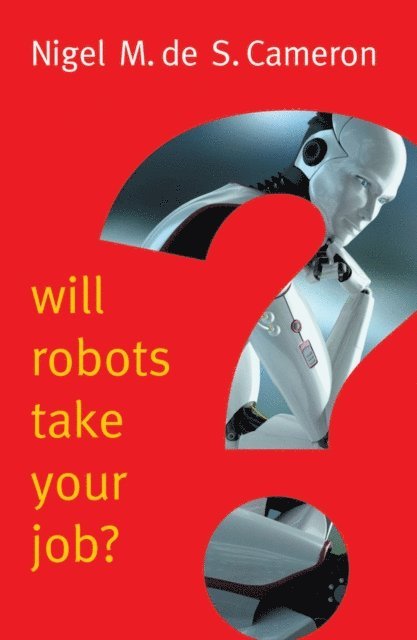
The trend that began with ATMs and do-it-yourself checkouts is moving at lightning speed. Everything from driving to teaching to the care of the elderly and, indeed, code-writing can now be done by smart machines. Conventional wisdom says there will be new jobs to replace those we lose – but is it so simple? And are we ready?Technology writer and think-tank director Nigel Cameron argues it's naive to believe we face a smooth transition. Whether or not there are "new" jobs, we face massive disruption as the jobs millions of us are doing get outsourced to machines. A twenty-first-century "rust belt" will rapidly corrode the labor market and affect literally hundreds of different kinds of jobs simultaneously.Robots won't design our future – we will. Yet shockingly, political leaders and policy makers don't seem to have this in their line of sight. So how should we assess and prepare for the risks of this unknown future?
139 kr
Skickas inom 7-10 vardagar
The trend that began with ATMs and do-it-yourself checkouts is moving at lightning speed. Everything from driving to teaching to the care of the elderly and, indeed, code-writing can now be done by smart machines. Conventional wisdom says there will be new jobs to replace those we lose – but is it so simple? And are we ready?Technology writer and think-tank director Nigel Cameron argues it's naive to believe we face a smooth transition. Whether or not there are "new" jobs, we face massive disruption as the jobs millions of us are doing get outsourced to machines. A twenty-first-century "rust belt" will rapidly corrode the labor market and affect literally hundreds of different kinds of jobs simultaneously.Robots won't design our future – we will. Yet shockingly, political leaders and policy makers don't seem to have this in their line of sight. So how should we assess and prepare for the risks of this unknown future?
387 kr
Skickas inom 7-10 vardagar
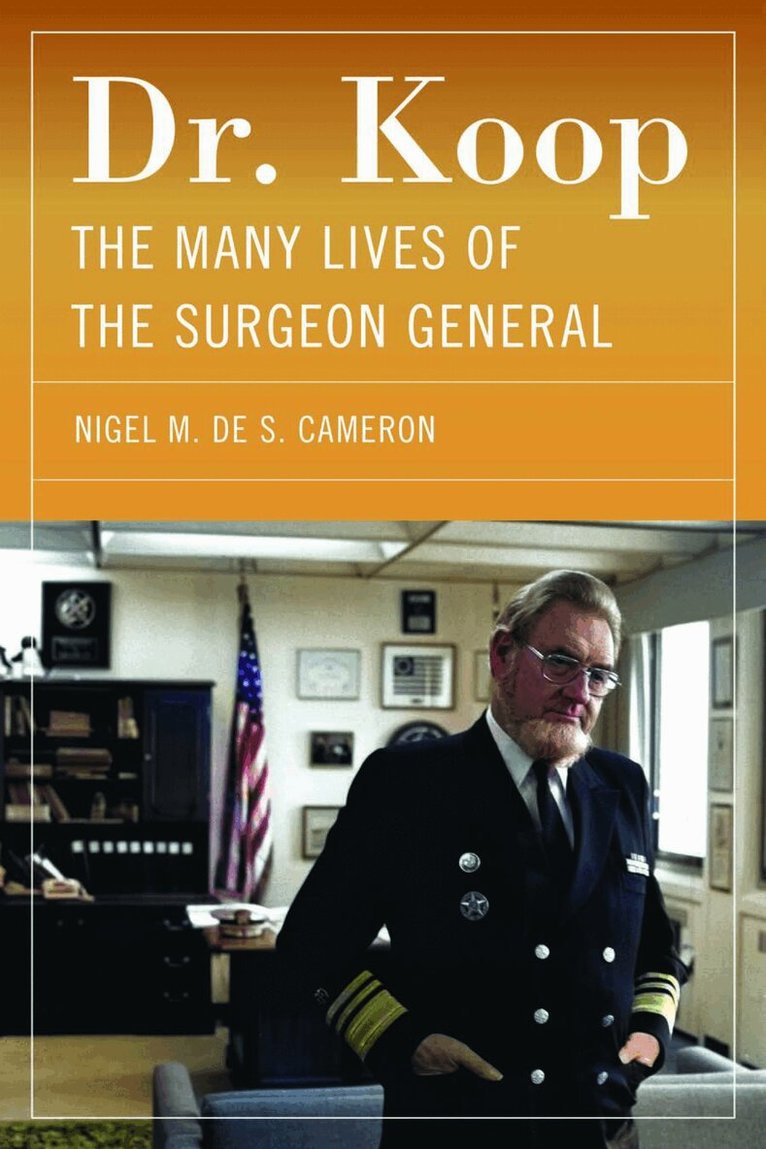
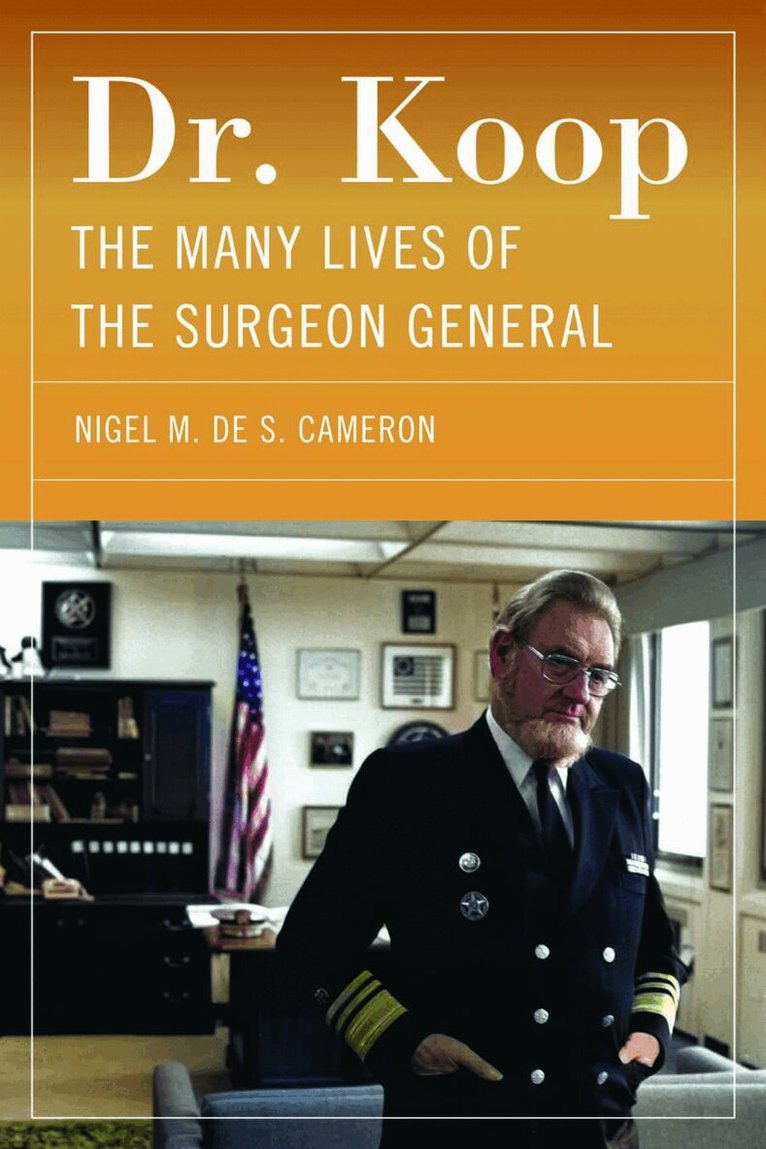
When Ronald Reagan chose C. Everett Koop to be Surgeon General of the United States in 1981, liberal politicians, women's groups, and even the public health community opposed the nomination because of his conservative social views and strong anti-abortion beliefs. By the time he left office in 1989, the same people who had vilified him as “Dr. Kook” were singing his praises, and many conservative politicians and activists who had championed his nomination were criticizing him as a traitor. He had also become “the only surgeon general [who was] a household name,” according to the Associated Press, because of his ubiquitous media exposure around the HIV/AIDS crisis, his unique look, and his savvy with the press. How had Koop remade himself and this once major government office, which sounded grand but in the 1960s had been stripped to a minor advisory role?As Nigel M. de S. Cameron shows, Koop was, above all, guided in his decisions by his unwavering physician’s commitment to saving lives. Even in the face of political pressures and what many expected to be his personal beliefs, he focused on science and public health. On smoking, abortion, and AIDS he openly defied Republican politicians and alienated New Right conservatives because his reading of the science did not support their ideologies. It was this adherence to science, health, and office that led him to refuse to campaign on abortion, seek compromise on the disabled “Baby Doe” case, relentlessly go after Big Tobacco, and finally reach out to the gay community as AIDS and fear of AIDS exploded. Both supporters and detractors consistently misjudged him.This first full biography of Koop draws on thousands of documents and hundreds of interviews with family, friends, and colleagues to tell the story of the precocious boy from Brooklyn who was already the world’s most celebrated pediatric surgeon when he became Surgeon General and one of the most recognizable public figures in late-20th century America. Koop remains a sterling example—to both left and right—of how public officials should conduct themselves.
1 118 kr
Skickas inom 7-10 vardagar
When Ronald Reagan chose C. Everett Koop to be Surgeon General of the United States in 1981, liberal politicians, women's groups, and even the public health community opposed the nomination because of his conservative social views and strong anti-abortion beliefs. By the time he left office in 1989, the same people who had vilified him as “Dr. Kook” were singing his praises, and many conservative politicians and activists who had championed his nomination were criticizing him as a traitor. He had also become “the only surgeon general [who was] a household name,” according to the Associated Press, because of his ubiquitous media exposure around the HIV/AIDS crisis, his unique look, and his savvy with the press. How had Koop remade himself and this once major government office, which sounded grand but in the 1960s had been stripped to a minor advisory role?As Nigel M. de S. Cameron shows, Koop was, above all, guided in his decisions by his unwavering physician’s commitment to saving lives. Even in the face of political pressures and what many expected to be his personal beliefs, he focused on science and public health. On smoking, abortion, and AIDS he openly defied Republican politicians and alienated New Right conservatives because his reading of the science did not support their ideologies. It was this adherence to science, health, and office that led him to refuse to campaign on abortion, seek compromise on the disabled “Baby Doe” case, relentlessly go after Big Tobacco, and finally reach out to the gay community as AIDS and fear of AIDS exploded. Both supporters and detractors consistently misjudged him.This first full biography of Koop draws on thousands of documents and hundreds of interviews with family, friends, and colleagues to tell the story of the precocious boy from Brooklyn who was already the world’s most celebrated pediatric surgeon when he became Surgeon General and one of the most recognizable public figures in late-20th century America. Koop remains a sterling example—to both left and right—of how public officials should conduct themselves.