Nigel Paneth - Böcker
Visar alla böcker från författaren Nigel Paneth. Handla med fri frakt och snabb leverans.
5 produkter
5 produkter
1 124 kr
Skickas inom 7-10 vardagar
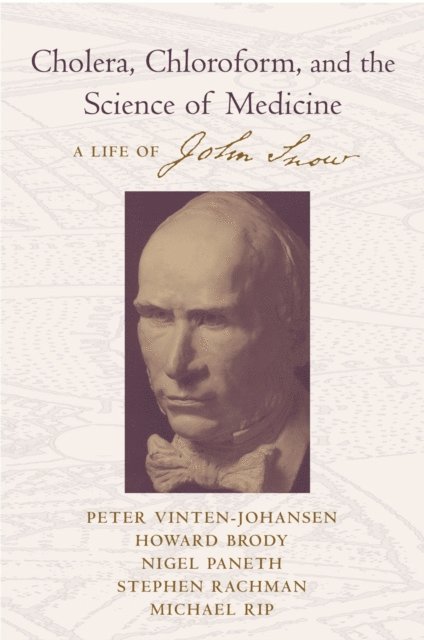
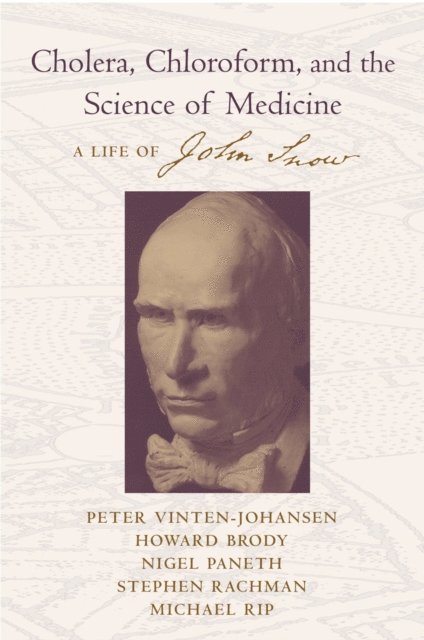
The product of six years of collaborative research, this fine biography offers new interpretations of a pioneering figure in anaesthesiology, epidemiology, medical cartography, and public health. It modifies the conventional rags to riches portrait of John Snow by synthesising fresh information about his early life from archival research and recent studies.It explores the intellectual roots of his commitments to vegetarianism, temperance, and pure drinking water, first developed when he was a medical apprentice and assistant in the north of England. The authors argue that all of Snow's later contributions are traceable to the medical paradigm he imbibed as a medical student in London and put into practice early in his career as a clinician: that medicine as a science required the incorporation of recent developments in its collateral sciences, chiefly anatomy, chemistry, and physiology, in order to understand the causes of disease.Snow's theoretical breakthroughs in anaesthesia were extensions of his experimental research in respiratory physiology and the properties of inhaled gases. Shortly thereafter, his understanding of gas laws led him to reject miasmatic explanations for the spread of cholera, and to develop an alternative theory in consonance with what was then known about chemistry and the physiology of digestion.Using all of Snow's writings, the authors follow him when working in his home laboratory, visiting patients throughout London, attending medical society meetings, and conducting studies during the cholera epidemics of 1849 and 1854. The result is a book that demythologises some overly heroic views of Snow by providing a fairer measure of his actual contributions. It will have an impact not only on the understanding of the man but also on the history of epidemiology and medical science.
Del 131 - Clinics in Developmental Medicine
Brain Damage in the Preterm Infant
Inbunden, Engelska, 1994
1 047 kr
Skickas inom 3-6 vardagar
This Clinic in Developmental Medicine describes a meticulous survey of germinal matrix/intraventricular haemorrhage in preterm infants. The babies weighed 501-2000g at their birth in three New Jersey counties between 1984 and 1987. They were studied prospectively with cranial ultrasound; the findings were correlated with very detailed pathological examination of the brains of those who died, and with later outcome in the survivors. The numbers studied in this population-based sample were large enough both to test and to generate hypotheses about the causes and consequences of haemorrhage.
2 683 kr
Skickas inom 7-10 vardagar
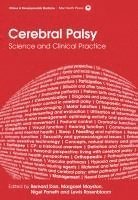
The only complete, scientifically rigorous, fully integrated reference giving a wide ranging and in-depth perspective on cerebral palsy and related neurodevelopment disabilities. It considers all aspects of cerebral palsy from the causes to clinical problems and their implications for individuals. Leading scientists present the evidence on the role of pre-term birth, inflammation, hypoxia, endocrinological and other pathways. They explore opportunities for neuroprotection leading to clinical applications.An international team of experts provides clinicians and researchers with key information on the mechanisms underlying impairments in movement, development, cognition, communication, vision, feeding, behaviour, sexuality, and musculoskeletal deformities. They present a wide range of person-centred assessment approaches, including clinical evaluation, measurement scales, neuroimaging and gait analysis. The principles of multi-disciplinary management are presented, in terms of therapist intervention, medication and surgery. The perspective of the book spans the lifelong course of cerebral palsy, taking into account worldwide differences in socio-economic and cultural factors. Many chapters are illustrated with clinical vignettes enabling direct translation into practice.Full integrated colour, with extensive cross-referencing make this a highly attractive and useful reference.
1 322 kr
Skickas inom 7-10 vardagar
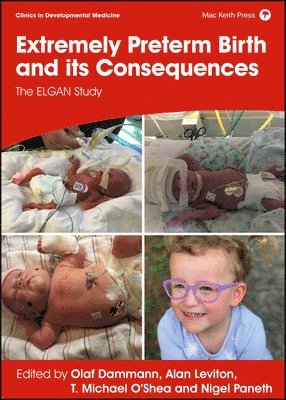
This book reviews important findings from the Extremely Low Gestational Age Newborn Study (ELGAN), the largest cohort study ever completed involving individuals born extremely prematurely. With a focus on pre-, peri-, and post-natal inflammation, this study identified potentially modifiable risk factors and pathways antecedent to a broad range of neurodevelopmental impairments, as well as asthma and obesity, during middle childhood. These findings will be of interest to both practicing neonatologists and developmental paediatricians, as well as researchers interested in the prevention of adverse child health outcomes and promotion of positive health among individuals born extremely preterm. The only book to summarise findings from the Extremely Low Gestational Age Newborn Study, the largest and most comprehensive cohort study ever conducted of this high-risk group.A comprehensive ‘one-stop-shopping’ resource.A broad range of neurodevelopmental outcomes are included, as well as the relationship of these outcomes to pre-, peri-, and post-natal risk factors. A focus of the study was perinatal inflammation, and the methods used to evaluate inflammation are the most comprehensive ever undertaken in an epidemiologic study of individuals born extremely preterm.The results of the ELGAN study will help Make a difference in the care and outcome of children born very early and make an important contribution to preventing learning and behavioural problems in children.
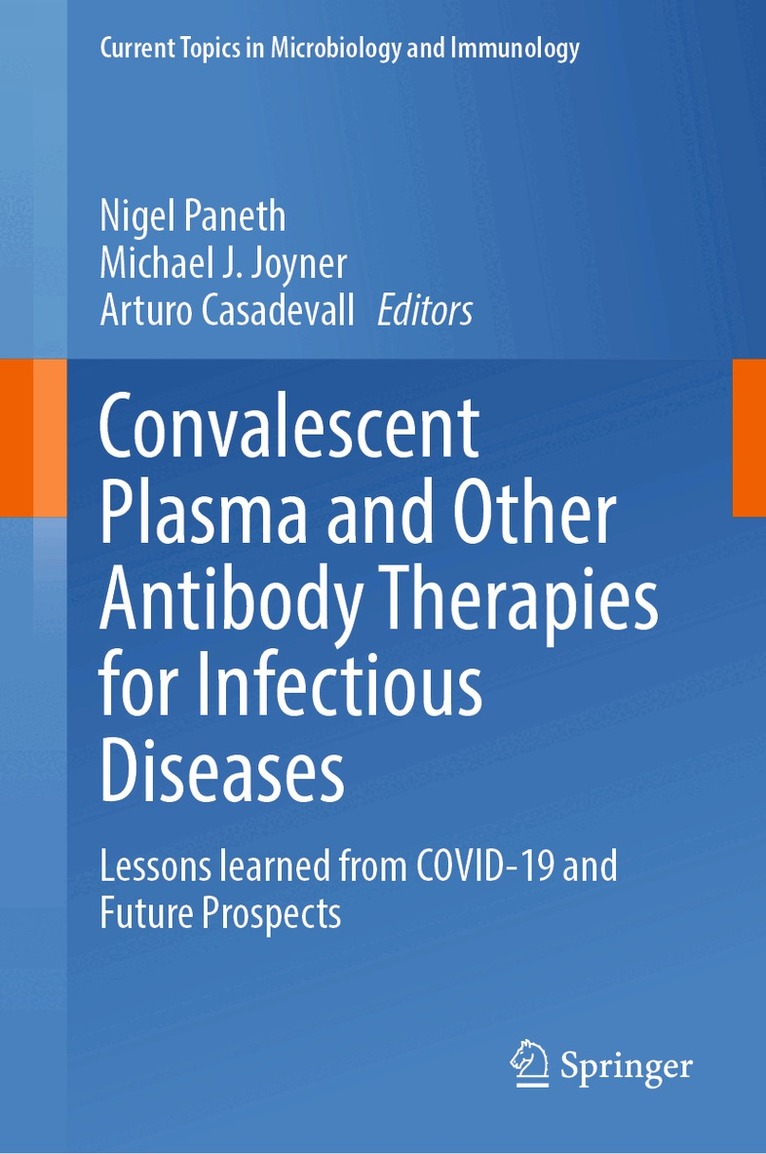
Convalescent Plasma and Other Antibody Therapies for Infectious Diseases
Lessons learned from COVID-19 and Future Prospects
Inbunden, Engelska, 2025
2 181 kr
Skickas inom 7-10 vardagar
This volume reviews key scientific principles and practices of passive antibody therapy for the treatment of infectious diseases. The main focus is on convalescent plasma, which is the most useful therapeutic option early in an epidemic, and may be especially important in low- and middle-income countries. The book’s first section reviews the history of passive antibody therapies prior to the COVID pandemic, while the second section assesses convalescent plasma use during the COVID pandemic including evidence for safety and effectiveness, factors affecting efficacy, and the importance of convalescent plasma treatment of COVID-19 infections in the immunosuppressed. This section also addresses the roles played in the pandemic by monoclonal antibodies and hyperimmune globulins. Section three discusses the logistics of retrieving, storing and delivering convalescent plasma for therapy, and section four considers the role of passive antibody therapies in the event of a new pandemic involving an unknown microbial pathogen.In March 2020 the editors of this volume founded the national COVID-19 convalescent plasma project (ccpp19), an association of academic physicians organized to investigate the safety and effectiveness of convalescent plasma and to facilitate access to its use in the treatment of this new international pandemic.Since that time, the project has produced more than 100 papers on almost every aspect of convalescent plasma usage in COVID-19 – treatment protocols, randomized trials, considerations of safety, conditions required for effectiveness, variability in use geographically and over time, application to vulnerable populations, regulatory issues, impact on overall COVID-19 mortality in the US and much else. At the same time, another form of antibody therapy – monoclonal antibodies – was being shown effective for out-patient use in COVID-19, confirming the principle of the value of antibody therapy in the early stages of disease, but lost effectiveness with viral mutation. A third form of antibody therapy – hyperimmune globulin, a preventive therapy with an excellent historical record of efficacy in several infectious diseases - holds great potential but was not effectively developed for COVID-19. This edited work brings together the central findings gained over the past years about passive antibody use and serves as an indispensable guide to best practices in the use of antibody therapies.