Nikoloz Aleksidze – författare
Visar alla böcker från författaren Nikoloz Aleksidze. Handla med fri frakt och snabb leverans.
3 produkter
3 produkter
2 085 kr
Skickas inom 3-6 vardagar
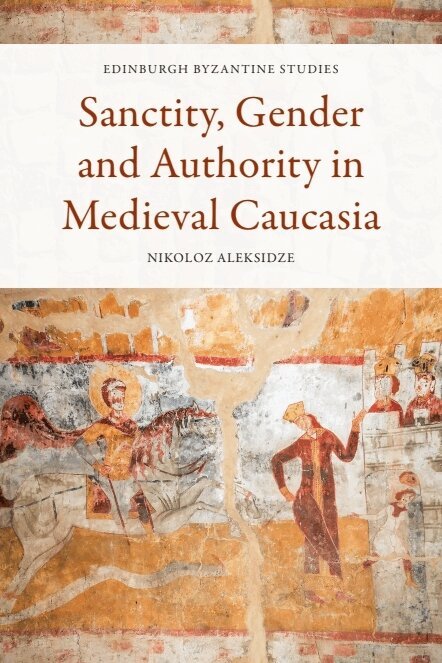
From the early fourth century, the veneration of saints and relics spread rapidly across Christendom from the British Isles to Iran. In late antique Caucasia, the cult of the saints was immediately integrated into Armenian and Georgian identity and political discourses. It was used to legitimise royal rule, sanctify domains and dynasties, define political realms and justify political decisions. This book is the first systematic study of this history. Discussing a wide variety of sources from Armenia, Georgia, Byzantium and Russia which have not been examined together before, it investigates the interaction of sanctity, holy relics, gender and politics in the medieval Caucasus, with a particular focus on Georgia. Nikoloz Aleksidze analyses three chronological eras: the first section focuses on late antiquity and the early Middle Ages, when the cult of the relics was formed in Caucasian writing; the second explores the medieval era, when the Bagratids ruled in Georgia and the cults of figures such as St George, the Mother of God and Queen Tamar were shaped and politicised; and the third navigates a similar entanglement of sanctity, gender and political rhetoric in Russian Imperial and Georgian national discourse.
297 kr
Skickas
From the early fourth century, the veneration of saints and relics spread rapidly across Christendom from the British Isles to Iran. In late antique Caucasia, the cult of the saints was immediately integrated into Armenian and Georgian identity and political discourses. It was used to legitimise royal rule, sanctify domains and dynasties, define political realms and justify political decisions. This book is the first systematic study of this history. Discussing a wide variety of sources from Armenia, Georgia, Byzantium and Russia which have not been examined together before, it investigates the interaction of sanctity, holy relics, gender and politics in the medieval Caucasus, with a particular focus on Georgia. Nikoloz Aleksidze analyses three chronological eras: the first section focuses on late antiquity and the early Middle Ages, when the cult of the relics was formed in Caucasian writing; the second explores the medieval era, when the Bagratids ruled in Georgia and the cults of figures such as St George, the Mother of God and Queen Tamar were shaped and politicised; and the third navigates a similar entanglement of sanctity, gender and political rhetoric in Russian Imperial and Georgian national discourse.
550 kr
Skickas inom 7-10 vardagar
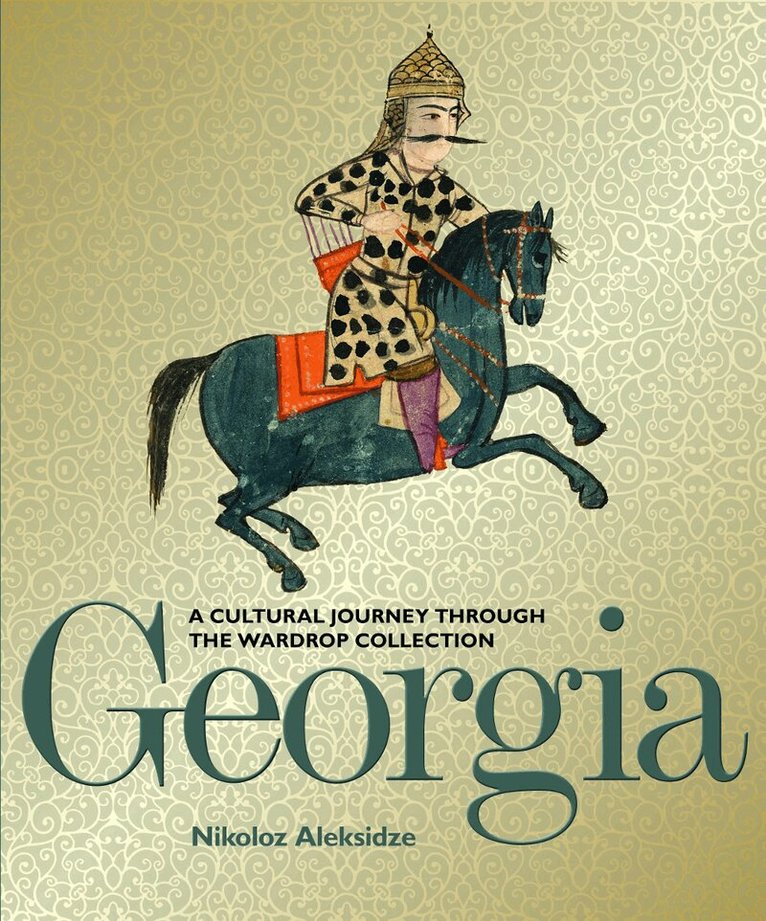
When Marjory Wardrop joined her diplomat brother, Oliver, in Georgia in 1894, they found themselves witnessing the birth pangs of a modern nation. Recognising the significance of these transformative years, they actively participated in the work of Ilia Chavchavadze and other leaders of the independence movement, culminating in Georgia’s declaration of independence in 1918. Becoming increasingly fascinated by Georgian history and culture, the Wardrops gathered a significant collection of manuscripts dating from the eleventh to the twentieth century, including a seventeenth-century manuscript of Georgia’s national epic poem, ‘The Man in the Panther’s Skin’, which Marjory famously translated. A remarkable number of items in the collection, now housed at the Bodleian Library, illuminate an important aspect of medieval and modern Georgia. Through these items – manuscripts, royal charters, correspondence, notebooks and a draft of the 1918 declaration of Independence – Nikoloz Aleksidze narrates a history of Georgian literature and culture, from the importance of epic and folk tales, to the Georgian Church’s battle against persecution, to the political activism of women in Georgia at the end of the nineteenth century. Richly illustrated with rare and previously unpublished images from the collection, this book not only offers a unique insight into Georgian culture and political history and but also tells the remarkable story of an eccentric English diplomat and his talented sister, whose monument now stands outside the parliament building in Tbilisi