Noel Leo Erskine - Böcker
Visar alla böcker från författaren Noel Leo Erskine. Handla med fri frakt och snabb leverans.
7 produkter
7 produkter
363 kr
Skickas inom 5-8 vardagar
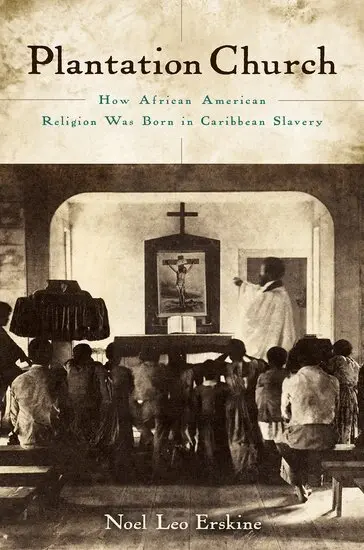
In Plantation Church, Noel Leo Erskine investigates the history of the Black Church as it developed both in the United States and the Caribbean after the arrival of enslaved Africans. Typically, when people talk about the "Black Church" they are referring to African-American churches in the U.S., but in fact, the majority of African slaves were brought to the Caribbean. It was there, Erskine argues, that the Black religious experience was born. The massive Afro-Caribbean population was able to establish a form of Christianity that preserved African Gods and practices, but fused them with Christian teachings, resulting in religions such as Cuba's Santería. Despite their common ancestry, the Black religious experience in the U.S. was markedly different because African Americans were a political and cultural minority. The Plantation Church became a place of solace and resistance that provided its members with a sense of kinship, not only to each other but also to their ancestral past. Despite their common origins, the Caribbean and African American Church are almost never studied together. This book investigates the parallel histories of these two strands of the Black Church, showing where their historical ties remain strong and where different circumstances have led them down unexpectedly divergent paths. The result will be a work that illuminates the histories, theologies, politics, and practices of both branches of the Black Church.This project presses beyond the nation state framework and raises intercultural and interregional questions with implications for gender, race and class. Noel Leo Erskine employs a comparative method that opens up the possibility of rethinking the language and grammar of how Black churches have been understood in the Americas and extends the notion of church beyond the United States. The forging of a Black Christianity from sources African and European, allows for an examination of the meaning of church when people of African descent are culturally and politically in the majority. Erskine also asks the pertinent question of what meaning the church holds when the converse is true: when African Americans are a cultural and political minority.
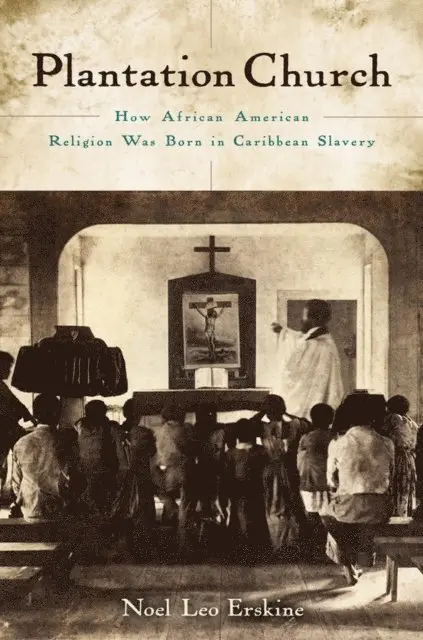
Plantation Church
How African American Religion Was Born in Caribbean Slavery
Inbunden, Engelska, 2014
1 801 kr
Skickas inom 5-8 vardagar
In Plantation Church, Noel Leo Erskine investigates the history of the Black Church as it developed both in the United States and the Caribbean after the arrival of enslaved Africans. Typically, when people talk about the "Black Church" they are referring to African-American churches in the U.S., but in fact, the majority of African slaves were brought to the Caribbean. It was there, Erskine argues, that the Black religious experience was born. The massive Afro-Caribbean population was able to establish a form of Christianity that preserved African Gods and practices, but fused them with Christian teachings, resulting in religions such as Cuba's Santería. Despite their common ancestry, the Black religious experience in the U.S. was markedly different because African Americans were a political and cultural minority. The Plantation Church became a place of solace and resistance that provided its members with a sense of kinship, not only to each other but also to their ancestral past. Despite their common origins, the Caribbean and African American Church are almost never studied together. This book investigates the parallel histories of these two strands of the Black Church, showing where their historical ties remain strong and where different circumstances have led them down unexpectedly divergent paths. The result will be a work that illuminates the histories, theologies, politics, and practices of both branches of the Black Church.This project presses beyond the nation state framework and raises intercultural and interregional questions with implications for gender, race and class. Noel Leo Erskine employs a comparative method that opens up the possibility of rethinking the language and grammar of how Black churches have been understood in the Americas and extends the notion of church beyond the United States. The forging of a Black Christianity from sources African and European, allows for an examination of the meaning of church when people of African descent are culturally and politically in the majority. Erskine also asks the pertinent question of what meaning the church holds when the converse is true: when African Americans are a cultural and political minority.
228 kr
Skickas
257 kr
Skickas inom 7-10 vardagar
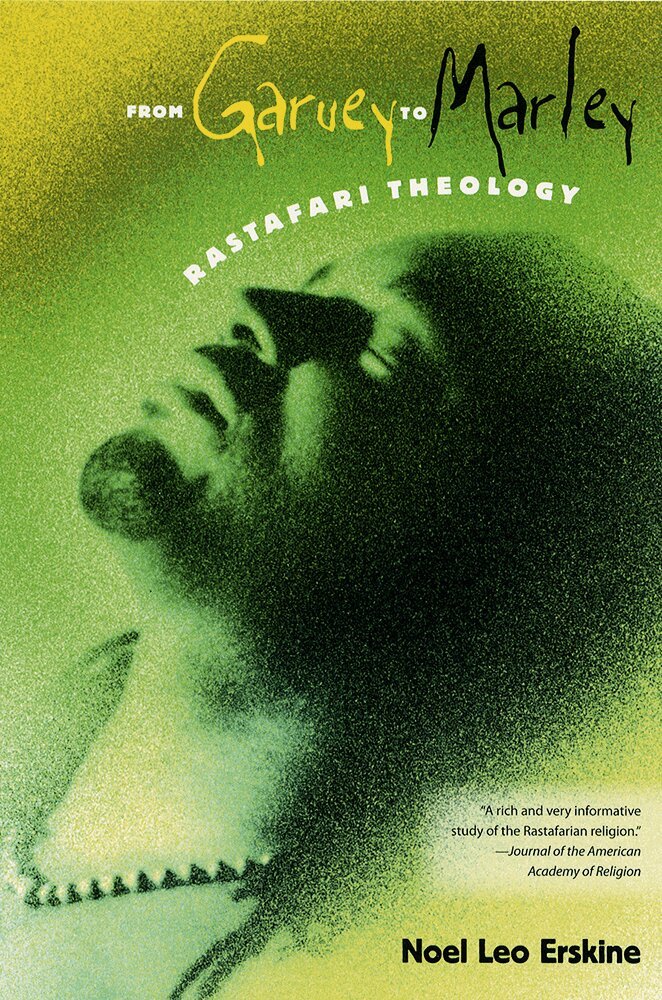
This history of the theology and rituals of Rastafarianism features the reggae rhythms of Bob Marley and the teachings and philosophy of Marcus Garvey, the black nationalist who motivated many of his fellow Jamaicans to embrace their African ancestral roots. Marley is the best known and most articulate exponent of the themes of race consciousness that provide the core of Rasta hermeneutics. Noel Leo Erskine - a trained theologian who was raised in the Jamaican village in which the Rastafarian faith originated - isolates and defines the main tenets of Rastafarianism, which emerged toward the end of the 20th century as a way of life and as a new international religion. He includes biographical descriptions of the key players in the development of Rastafari theology, provides details of its organization and ethos, and discusses the role of women in the religion. He also discusses the significance of Ethiopia to the faith, examines the religion's relationship to Christianity, and shows how members of the faith connect their struggle for dignity and solidarity in Jamaican society with the struggle of the oppressed Israelites.
340 kr
Tillfälligt slut
1 000 kr
Skickas inom 10-15 vardagar
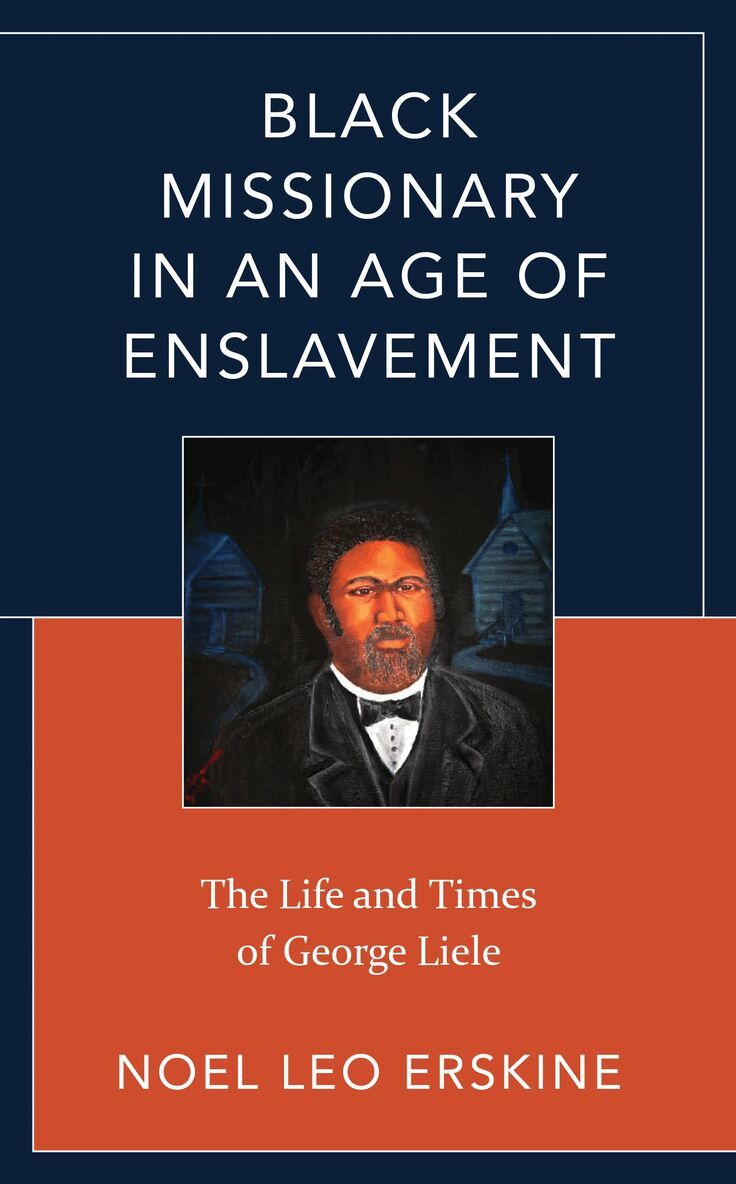
Much discussion of Protestant Christianity and its missions in the eighteenth and early nineteenth centuries is focused on the work of English missionary William Carey and American Missionaries Adoniram and Ann Judson, who travelled to India in 1793 and 1813. This book reframes this conventional understanding of mission studies and outreach by exploring the legacy and life of the enslaved American Baptist George Liele (1750–1825)—the first African American ordained to the Christian ministry. Black Missionary in an Age of Enslavement looks at Christianity and mission through the life and times of Liele, highlighting his travels as an itinerant preacher in South Carolina, Georgia, Jamaica (and through his protégé there, David George), Nova Scotia, Sierra Leone and, toward the end of his life, England. Liele knew what it meant to be both slave and free. In Jamaica, as in Savannah, he was imprisoned for his faith and saw the survival of the church as pivotal. Liele was a man of firsts: the first African American ordained to the Christian ministry (May 20, 1775), and the first missionary to take the Christian gospel outside the United States. It was Liele, more than any other missionary, who initiated the practice of offering education to native people both enslaved and free. With the hymnal in one hand and the Bible in the other, Liele taught the enslaved and free that they were destined for liberation.
319 kr
Skickas inom 10-15 vardagar
Much discussion of Protestant Christianity and its missions in the eighteenth and early nineteenth centuries is focused on the work of English missionary William Carey and American Missionaries Adoniram and Ann Judson, who travelled to India in 1793 and 1813. This book reframes this conventional understanding of mission studies and outreach by exploring the legacy and life of the enslaved American Baptist George Liele (1750–1825)—the first African American ordained to the Christian ministry. Black Missionary in an Age of Enslavement looks at Christianity and mission through the life and times of Liele, highlighting his travels as an itinerant preacher in South Carolina, Georgia, Jamaica (and through his protégé there, David George), Nova Scotia, Sierra Leone and, toward the end of his life, England. Liele knew what it meant to be both slave and free. In Jamaica, as in Savannah, he was imprisoned for his faith and saw the survival of the church as pivotal. Liele was a man of firsts: the first African American ordained to the Christian ministry (May 20, 1775), and the first missionary to take the Christian gospel outside the United States. It was Liele, more than any other missionary, who initiated the practice of offering education to native people both enslaved and free. With the hymnal in one hand and the Bible in the other, Liele taught the enslaved and free that they were destined for liberation.