Norman Ingram – författare
Visar alla böcker från författaren Norman Ingram. Handla med fri frakt och snabb leverans.
7 produkter
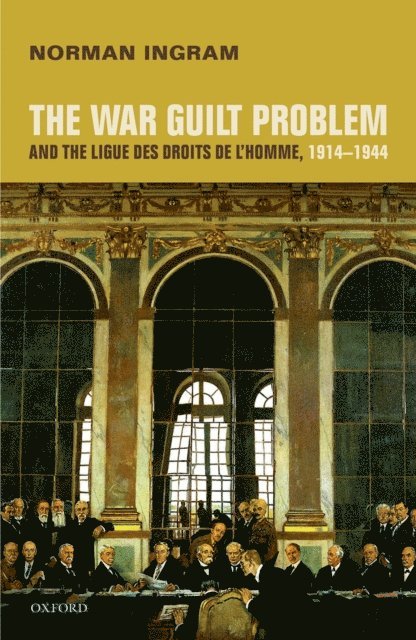
War Guilt Problem and the Ligue des droits de l'homme, 1914-1944
E-bok, 2019
1284 kr
Lägg i varukorg
The War Guilt Problem and the Ligue des droits de l''homme is a significant new volume from Norman Ingram, addressing the history of the Ligue des droits de l''homme (LDH), an organisation founded in 1898 at the height of the Dreyfus Affair and which lay at the very centre of French Republican …
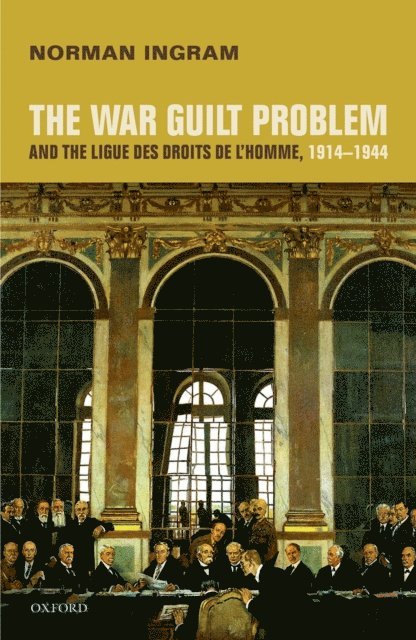
War Guilt Problem and the Ligue des droits de l'homme, 1914-1944
E-bok, 2019
1284 kr
Lägg i varukorg
The War Guilt Problem and the Ligue des droits de l''homme is a significant new volume from Norman Ingram, addressing the history of the Ligue des droits de l''homme (LDH), an organisation founded in 1898 at the height of the Dreyfus Affair and which lay at the very centre of French Republican …
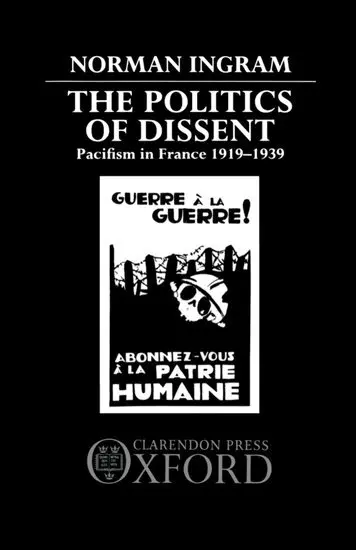
The Politics of Dissent
Pacifism in France 1919-1939
Inbunden, 1991
829 kr
Lägg i varukorg
This book breaks new ground in examining for the first time the history of pacifism in inter-war France. Norman Ingram sets out to define the contours of the French peace movement, to explore its organization, tactics, and intellectual content, and to place it in the broader context of French …
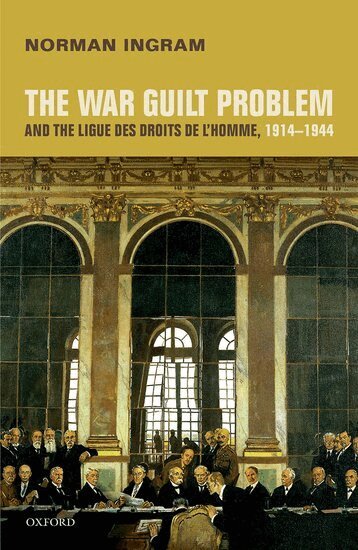
The War Guilt Problem and the Ligue des droits de l'homme, 1914-1944
Inbunden, 2019
1998 kr
Lägg i varukorg
The War Guilt Problem and the Ligue des droits de l'homme is a significant new volume from Norman Ingram, addressing the history of the Ligue des droits de l'homme (LDH), an organisation founded in 1898 at the height of the Dreyfus Affair and which lay at the very centre of French Republican …
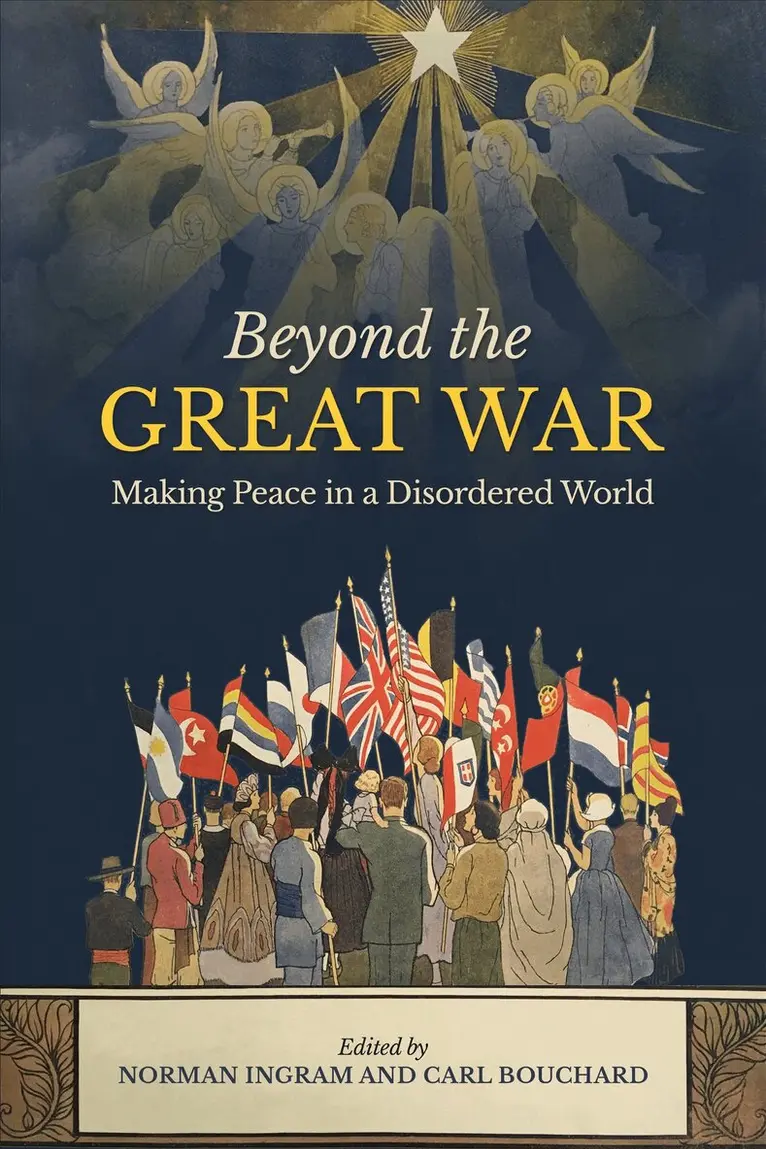
Beyond the Great War
Making Peace in a Disordered World
Av Carl Bouchard, Norman Ingram
Inbunden, 2022
554 kr
Lägg i varukorg
Following the end of the First World War, a new world order emerged from the Paris Peace Conference of 1919. It was an order riddled with contradictions and problems that were only finally resolved after the Second World War.Beyond the Great War brings together a group of both well-established and …
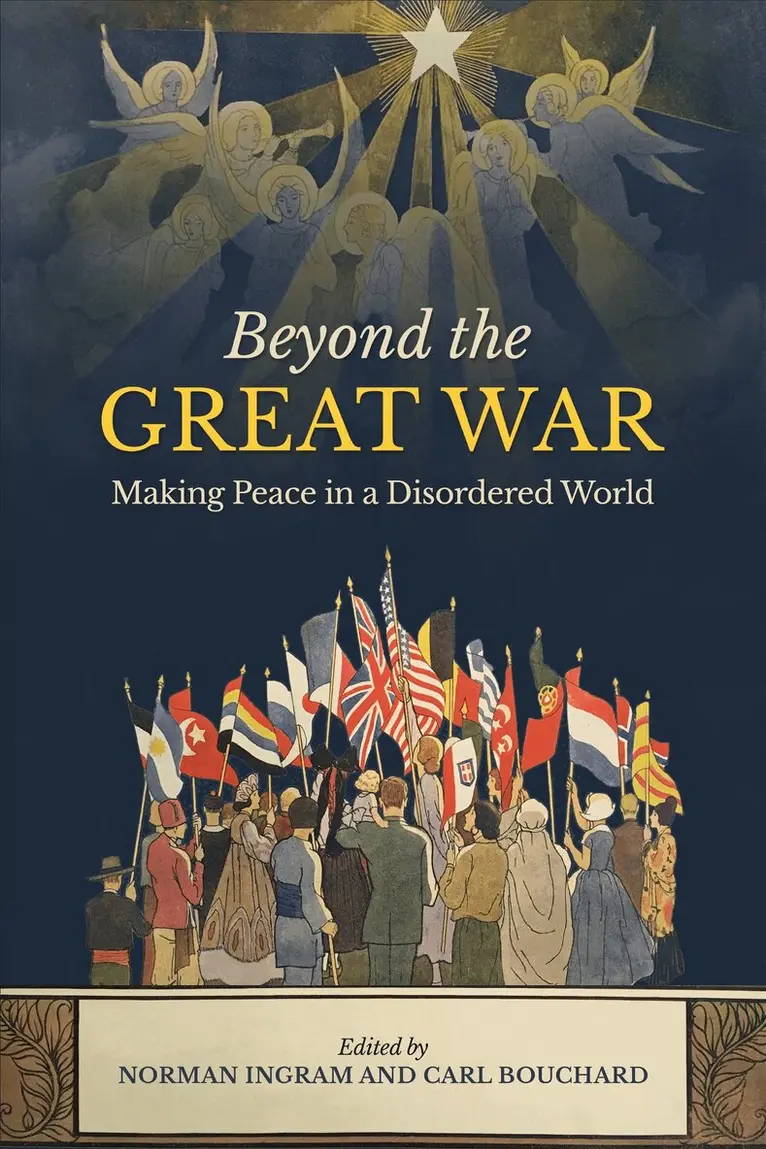
Beyond the Great War
Making Peace in a Disordered World
Av Carl Bouchard, Norman Ingram
E-bok, 2021
722 kr
Lägg i varukorg
Following the end of the First World War, a new world order emerged from the Paris Peace Conference of 1919. It was an order riddled with contradictions and problems that were only finally resolved after the Second World War. Beyond the Great War brings together a group of both well-established and …
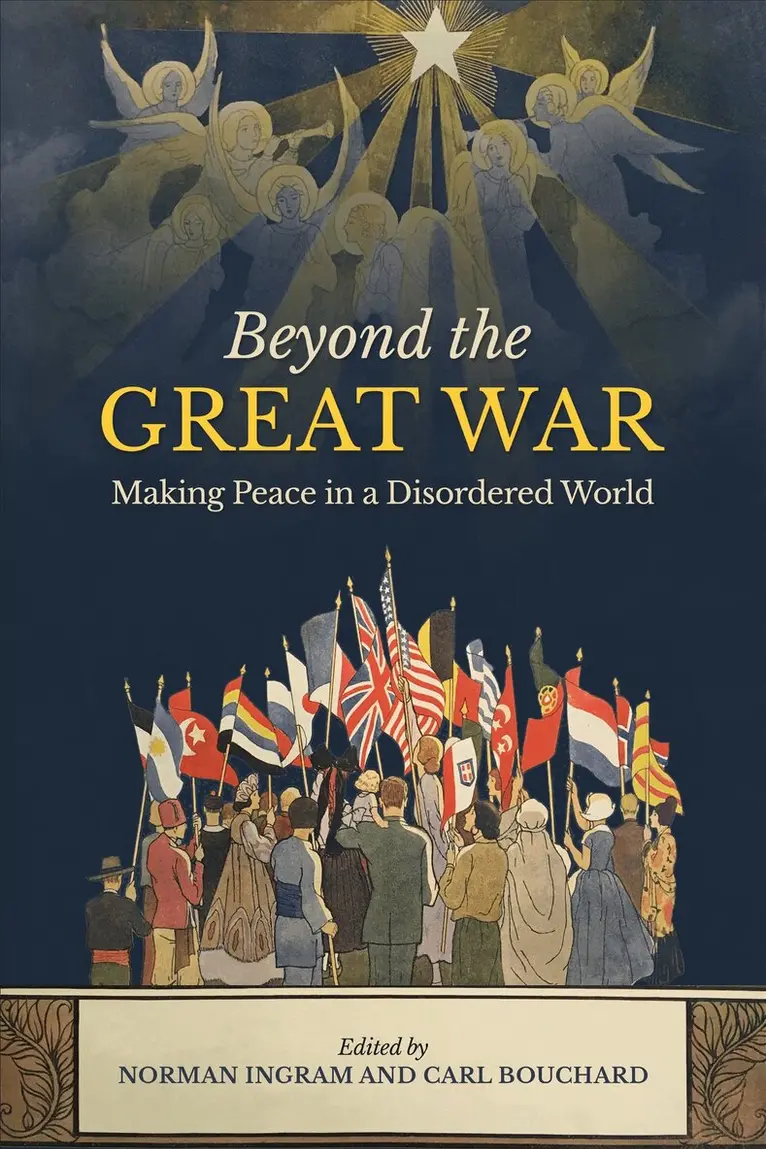
Beyond the Great War
Making Peace in a Disordered World
Av Carl Bouchard, Norman Ingram
E-bok, 2021
722 kr
Lägg i varukorg
Following the end of the First World War, a new world order emerged from the Paris Peace Conference of 1919. It was an order riddled with contradictions and problems that were only finally resolved after the Second World War. Beyond the Great War brings together a group of both well-established and …