Nuno P. Monteiro – författare
Visar alla böcker från författaren Nuno P. Monteiro. Handla med fri frakt och snabb leverans.
12 produkter
12 produkter
Del 132 - Cambridge Studies in International Relations
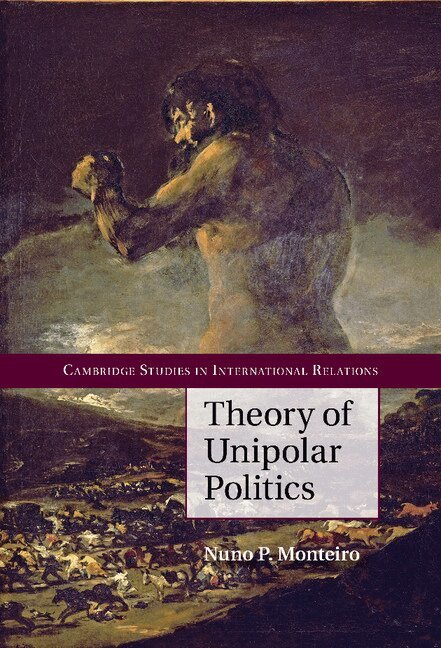
Theory of Unipolar Politics
Inbunden, Engelska, 2014
1 016 kr
Skickas inom 7-10 vardagar
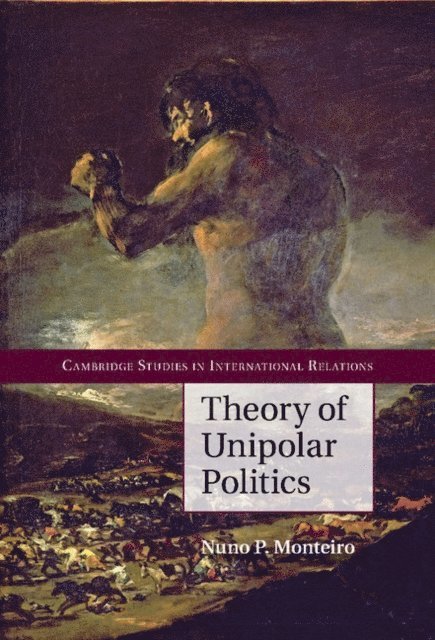
Since the collapse of the Soviet Union, the United States has enjoyed unparalleled military power. The international system is therefore unipolar. A quarter of a century later, however, we still possess no theory of unipolarity. Theory of Unipolar Politics provides one. Dr Nuno P. Monteiro answers three of the most important questions about the workings of a unipolar world. Is it durable? Is it peaceful? What is the best grand strategy a unipolar power such as the contemporary United States can implement? In our nuclear world, the power preponderance of the United States is potentially durable but likely to produce frequent conflict. Furthermore, in order to maintain its power preponderance, the United States must remain militarily engaged in the world and accommodate the economic growth of its major competitors, namely, China. This strategy, however, will lead Washington to wage war frequently. In sum, military power preponderance brings significant benefits but is not an unalloyed good.
Del 142 - Cambridge Studies in International Relations
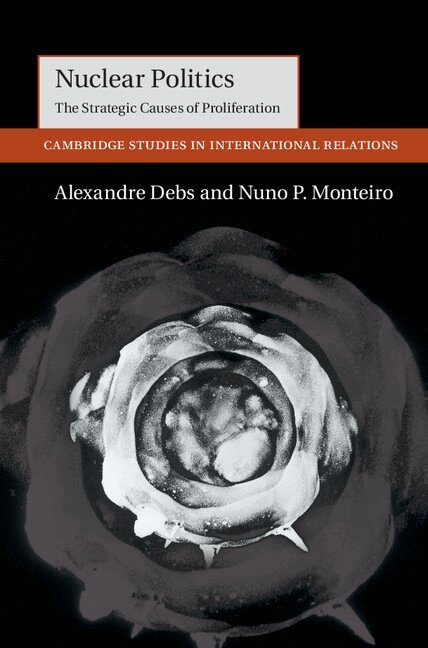
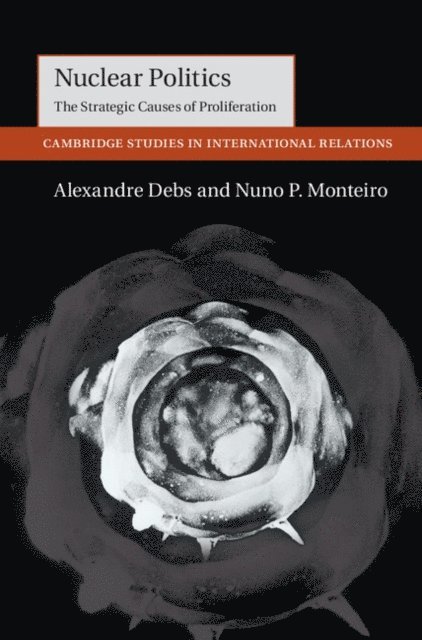
Nuclear Politics
The Strategic Causes of Proliferation
Inbunden, Engelska, 2016
1 110 kr
Skickas inom 7-10 vardagar
When do states acquire nuclear weapons? Overturning a decade of scholarship focusing on other factors, Debs and Monteiro show in Nuclear Politics that proliferation is driven by security concerns. Proliferation occurs only when a state has both the willingness and opportunity to build the bomb. A state has the willingness to nuclearize when it faces a serious security threat without the support of a reliable ally. It has the opportunity when its conventional forces or allied protection are sufficient to deter preventive attacks. This explains why so few countries have developed nuclear weapons. Unthreatened or protected states do not want them; weak and unprotected ones cannot get them. This powerful theory combined with extensive historical research on the nuclear trajectory of sixteen countries will make Nuclear Politics a standard reference in international security studies, informing scholarly and policy debates on nuclear proliferation - and US non-proliferation efforts - for decades to come.
Del 142 - Cambridge Studies in International Relations
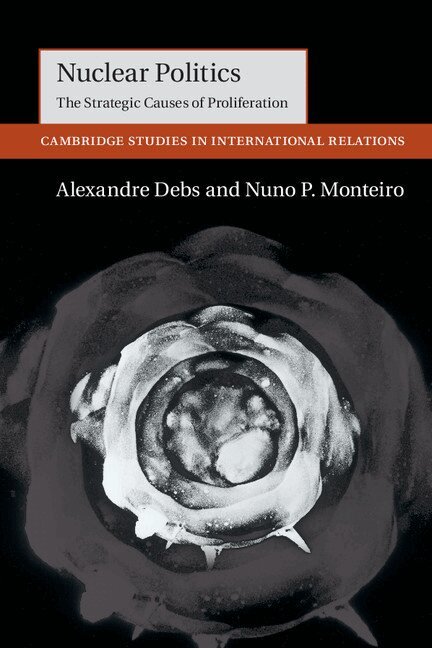
Nuclear Politics
The Strategic Causes of Proliferation
Häftad, Engelska, 2016
444 kr
Skickas inom 7-10 vardagar
When do states acquire nuclear weapons? Overturning a decade of scholarship focusing on other factors, Debs and Monteiro show in Nuclear Politics that proliferation is driven by security concerns. Proliferation occurs only when a state has both the willingness and opportunity to build the bomb. A state has the willingness to nuclearize when it faces a serious security threat without the support of a reliable ally. It has the opportunity when its conventional forces or allied protection are sufficient to deter preventive attacks. This explains why so few countries have developed nuclear weapons. Unthreatened or protected states do not want them; weak and unprotected ones cannot get them. This powerful theory combined with extensive historical research on the nuclear trajectory of sixteen countries will make Nuclear Politics a standard reference in international security studies, informing scholarly and policy debates on nuclear proliferation - and US non-proliferation efforts - for decades to come.
Del 132 - Cambridge Studies in International Relations
Theory of Unipolar Politics
Häftad, Engelska, 2014
380 kr
Skickas inom 7-10 vardagar
Since the collapse of the Soviet Union, the United States has enjoyed unparalleled military power. The international system is therefore unipolar. A quarter of a century later, however, we still possess no theory of unipolarity. Theory of Unipolar Politics provides one. Dr Nuno P. Monteiro answers three of the most important questions about the workings of a unipolar world. Is it durable? Is it peaceful? What is the best grand strategy a unipolar power such as the contemporary United States can implement? In our nuclear world, the power preponderance of the United States is potentially durable but likely to produce frequent conflict. Furthermore, in order to maintain its power preponderance, the United States must remain militarily engaged in the world and accommodate the economic growth of its major competitors, namely, China. This strategy, however, will lead Washington to wage war frequently. In sum, military power preponderance brings significant benefits but is not an unalloyed good.
E-bok
Engelska, 2016538 kr
Läs direkt efter köp
When do states acquire nuclear weapons? Overturning a decade of scholarship focusing on other factors, Debs and Monteiro show in Nuclear Politics that proliferation is driven by security concerns. Proliferation occurs only when a state has both the willingness and opportunity to build the bomb. A state has the willingness to nuclearize when it faces a serious security threat without the support of a reliable ally. It has the opportunity when its conventional forces or allied protection are sufficient to deter preventive attacks. This explains why so few countries have developed nuclear weapons. Unthreatened or protected states do not want them; weak and unprotected ones cannot get them. This powerful theory combined with extensive historical research on the nuclear trajectory of sixteen countries will make Nuclear Politics a standard reference in international security studies, informing scholarly and policy debates on nuclear proliferation - and US non-proliferation efforts - for decades to come.
E-bok
PDF, Engelska, 2016538 kr
Läs direkt efter köp
When do states acquire nuclear weapons? Overturning a decade of scholarship focusing on other factors, Debs and Monteiro show in Nuclear Politics that proliferation is driven by security concerns. Proliferation occurs only when a state has both the willingness and opportunity to build the bomb. A state has the willingness to nuclearize when it faces a serious security threat without the support of a reliable ally. It has the opportunity when its conventional forces or allied protection are sufficient to deter preventive attacks. This explains why so few countries have developed nuclear weapons. Unthreatened or protected states do not want them; weak and unprotected ones cannot get them. This powerful theory combined with extensive historical research on the nuclear trajectory of sixteen countries will make Nuclear Politics a standard reference in international security studies, informing scholarly and policy debates on nuclear proliferation - and US non-proliferation efforts - for decades to come.
Häftad, Engelska, 2021
521 kr
Skickas inom 7-10 vardagar
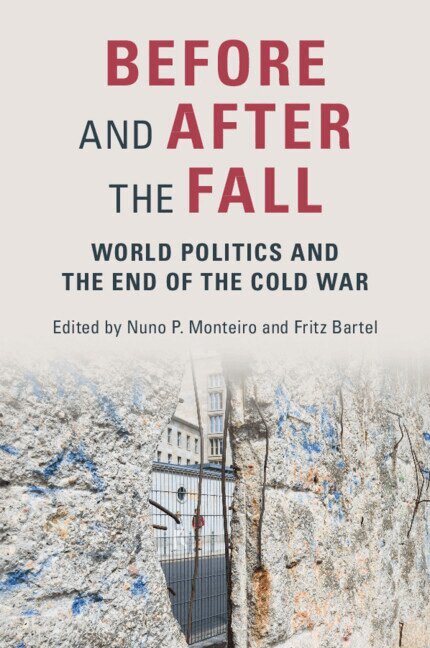
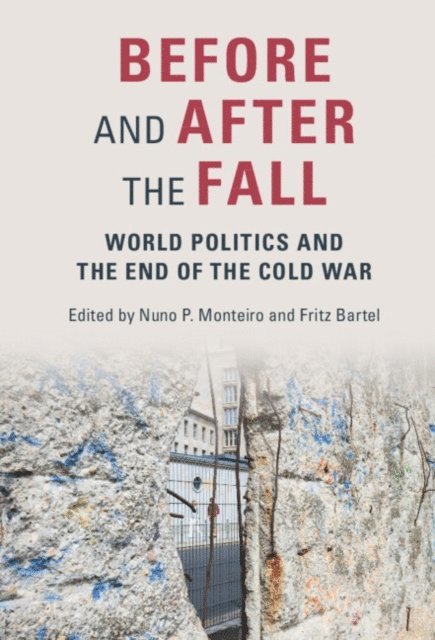
As the Cold War came to a close in 1991, US President George H. W. Bush famously saw its shocking demise as the dawn of a 'new world order' that would prize peace and expand liberal democratic capitalism. Thirty years later, with China on the rise, Russia resurgent, and populism roiling the Western world, it is clear that Bush's declaration remains elusive. In this book, leading scholars of international affairs offer fresh insight into why the hopes of the early post-Cold War period have been dashed and the challenges ahead. As the world marks the thirtieth anniversary of the collapse of the Soviet Union, this book brings together historians and political scientists to examine the changes and continuities in world politics that emerged at the end of the Cold War and shaped the world we inhabit today.
Inbunden, Engelska, 2021
1 110 kr
Skickas inom 7-10 vardagar
As the Cold War came to a close in 1991, US President George H. W. Bush famously saw its shocking demise as the dawn of a 'new world order' that would prize peace and expand liberal democratic capitalism. Thirty years later, with China on the rise, Russia resurgent, and populism roiling the Western world, it is clear that Bush's declaration remains elusive. In this book, leading scholars of international affairs offer fresh insight into why the hopes of the early post-Cold War period have been dashed and the challenges ahead. As the world marks the thirtieth anniversary of the collapse of the Soviet Union, this book brings together historians and political scientists to examine the changes and continuities in world politics that emerged at the end of the Cold War and shaped the world we inhabit today.
E-bok
Engelska, 2021633 kr
Läs direkt efter köp
As the Cold War came to a close in 1991, US President George H. W. Bush famously saw its shocking demise as the dawn of a ''new world order'' that would prize peace and expand liberal democratic capitalism. Thirty years later, with China on the rise, Russia resurgent, and populism roiling the Western world, it is clear that Bush''s declaration remains elusive. In this book, leading scholars of international affairs offer fresh insight into why the hopes of the early post-Cold War period have been dashed and the challenges ahead. As the world marks the thirtieth anniversary of the collapse of the Soviet Union, this book brings together historians and political scientists to examine the changes and continuities in world politics that emerged at the end of the Cold War and shaped the world we inhabit today.
E-bok
PDF, Engelska, 2021633 kr
Läs direkt efter köp
As the Cold War came to a close in 1991, US President George H. W. Bush famously saw its shocking demise as the dawn of a ''new world order'' that would prize peace and expand liberal democratic capitalism. Thirty years later, with China on the rise, Russia resurgent, and populism roiling the Western world, it is clear that Bush''s declaration remains elusive. In this book, leading scholars of international affairs offer fresh insight into why the hopes of the early post-Cold War period have been dashed and the challenges ahead. As the world marks the thirtieth anniversary of the collapse of the Soviet Union, this book brings together historians and political scientists to examine the changes and continuities in world politics that emerged at the end of the Cold War and shaped the world we inhabit today.
E-bok
Engelska, 2014459 kr
Läs direkt efter köp
Since the collapse of the Soviet Union, the United States has enjoyed unparalleled military power. The international system is therefore unipolar. A quarter of a century later, however, we still possess no theory of unipolarity. Theory of Unipolar Politics provides one. Dr Nuno P. Monteiro answers three of the most important questions about the workings of a unipolar world. Is it durable? Is it peaceful? What is the best grand strategy a unipolar power such as the contemporary United States can implement? In our nuclear world, the power preponderance of the United States is potentially durable but likely to produce frequent conflict. Furthermore, in order to maintain its power preponderance, the United States must remain militarily engaged in the world and accommodate the economic growth of its major competitors, namely, China. This strategy, however, will lead Washington to wage war frequently. In sum, military power preponderance brings significant benefits but is not an unalloyed good.
E-bok
PDF, Engelska, 2014459 kr
Läs direkt efter köp
Since the collapse of the Soviet Union, the United States has enjoyed unparalleled military power. The international system is therefore unipolar. A quarter of a century later, however, we still possess no theory of unipolarity. Theory of Unipolar Politics provides one. Dr Nuno P. Monteiro answers three of the most important questions about the workings of a unipolar world. Is it durable? Is it peaceful? What is the best grand strategy a unipolar power such as the contemporary United States can implement? In our nuclear world, the power preponderance of the United States is potentially durable but likely to produce frequent conflict. Furthermore, in order to maintain its power preponderance, the United States must remain militarily engaged in the world and accommodate the economic growth of its major competitors, namely, China. This strategy, however, will lead Washington to wage war frequently. In sum, military power preponderance brings significant benefits but is not an unalloyed good.