Fritz Bartel – författare
Visar alla böcker från författaren Fritz Bartel. Handla med fri frakt och snabb leverans.
8 produkter
8 produkter
Inbunden, Engelska, 2022
400 kr
Skickas
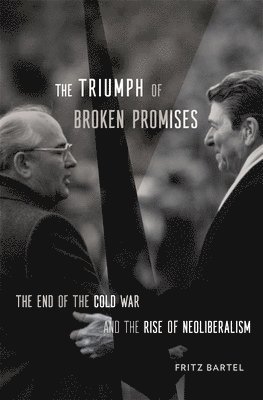
A powerful case that the economic shocks of the 1970s hastened both the end of the Cold War and the rise of neoliberalism by forcing governments to impose austerity on their own people.Why did the Cold War come to a peaceful end? And why did neoliberal economics sweep across the world in the late twentieth century? In this pathbreaking study, Fritz Bartel argues that the answer to these questions is one and the same. The Cold War began as a competition between capitalist and communist governments to expand their social contracts as they raced to deliver their people a better life. But the economic shocks of the 1970s made promises of better living untenable on both sides of the Iron Curtain. Energy and financial markets placed immense pressure on governments to discipline their social contracts. Rather than make promises, political leaders were forced to break them.In a sweeping narrative, The Triumph of Broken Promises tells the story of how the pressure to break promises spurred the end of the Cold War. In the West, neoliberalism provided Western leaders like Ronald Reagan and Margaret Thatcher with the political and ideological tools to shut down industries, impose austerity, and favor the interests of capital over labor. But in Eastern Europe, revolutionaries like Lech Walesa in Poland resisted any attempt at imposing market discipline. Mikhail Gorbachev tried in vain to reform the Soviet system, but the necessary changes ultimately presented too great a challenge.Faced with imposing economic discipline antithetical to communist ideals, Soviet-style governments found their legitimacy irreparably damaged. But in the West, politicians could promote austerity as an antidote to the excesses of ideological opponents, setting the stage for the rise of the neoliberal global economy.
Häftad, Engelska, 2021
521 kr
Skickas inom 7-10 vardagar
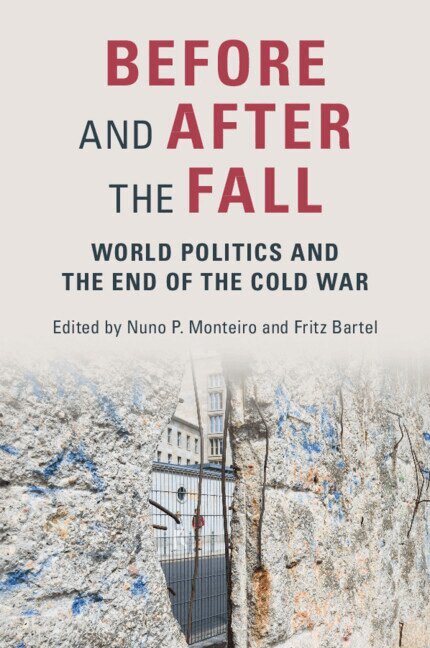
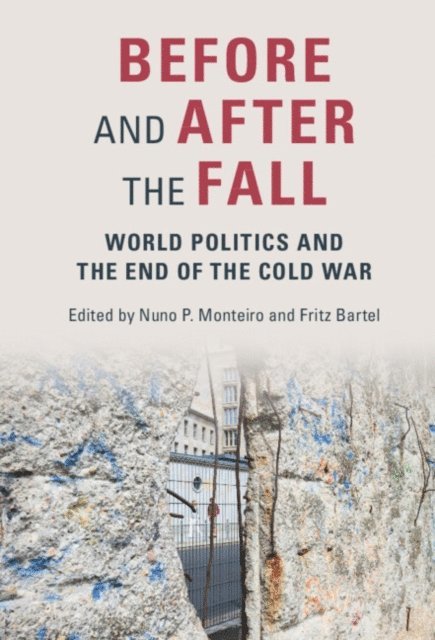
As the Cold War came to a close in 1991, US President George H. W. Bush famously saw its shocking demise as the dawn of a 'new world order' that would prize peace and expand liberal democratic capitalism. Thirty years later, with China on the rise, Russia resurgent, and populism roiling the Western world, it is clear that Bush's declaration remains elusive. In this book, leading scholars of international affairs offer fresh insight into why the hopes of the early post-Cold War period have been dashed and the challenges ahead. As the world marks the thirtieth anniversary of the collapse of the Soviet Union, this book brings together historians and political scientists to examine the changes and continuities in world politics that emerged at the end of the Cold War and shaped the world we inhabit today.
Inbunden, Engelska, 2021
1 110 kr
Skickas inom 7-10 vardagar
As the Cold War came to a close in 1991, US President George H. W. Bush famously saw its shocking demise as the dawn of a 'new world order' that would prize peace and expand liberal democratic capitalism. Thirty years later, with China on the rise, Russia resurgent, and populism roiling the Western world, it is clear that Bush's declaration remains elusive. In this book, leading scholars of international affairs offer fresh insight into why the hopes of the early post-Cold War period have been dashed and the challenges ahead. As the world marks the thirtieth anniversary of the collapse of the Soviet Union, this book brings together historians and political scientists to examine the changes and continuities in world politics that emerged at the end of the Cold War and shaped the world we inhabit today.
E-bok
Engelska, 2021633 kr
Läs direkt efter köp
As the Cold War came to a close in 1991, US President George H. W. Bush famously saw its shocking demise as the dawn of a ''new world order'' that would prize peace and expand liberal democratic capitalism. Thirty years later, with China on the rise, Russia resurgent, and populism roiling the Western world, it is clear that Bush''s declaration remains elusive. In this book, leading scholars of international affairs offer fresh insight into why the hopes of the early post-Cold War period have been dashed and the challenges ahead. As the world marks the thirtieth anniversary of the collapse of the Soviet Union, this book brings together historians and political scientists to examine the changes and continuities in world politics that emerged at the end of the Cold War and shaped the world we inhabit today.
E-bok
PDF, Engelska, 2021633 kr
Läs direkt efter köp
As the Cold War came to a close in 1991, US President George H. W. Bush famously saw its shocking demise as the dawn of a ''new world order'' that would prize peace and expand liberal democratic capitalism. Thirty years later, with China on the rise, Russia resurgent, and populism roiling the Western world, it is clear that Bush''s declaration remains elusive. In this book, leading scholars of international affairs offer fresh insight into why the hopes of the early post-Cold War period have been dashed and the challenges ahead. As the world marks the thirtieth anniversary of the collapse of the Soviet Union, this book brings together historians and political scientists to examine the changes and continuities in world politics that emerged at the end of the Cold War and shaped the world we inhabit today.
Inbunden, Tyska, 2025
470 kr
Skickas inom 3-6 vardagar
E-bok
PDF, Tyska, 2025408 kr
Läs direkt efter köp
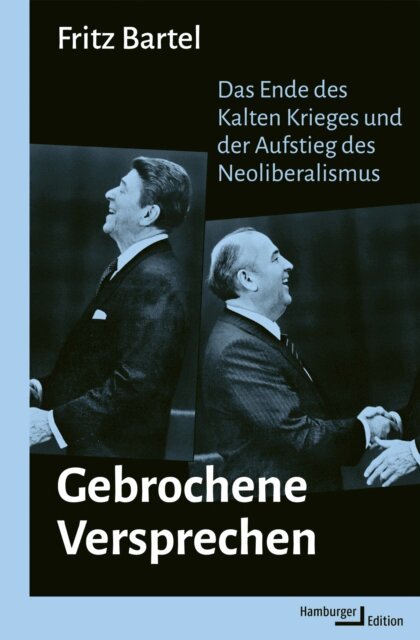
Warum kam der Kalte Krieg zu einem friedlichen Ende? Und warum hat die neoliberale Wirtschaftspolitik im späten 20. Jahrhundert die Welt erobert? In diesem bahnbrechenden Buch argumentiert Fritz Bartel, dass die Antwort auf diese Fragen ein und dieselbe ist. Der Kalte Krieg begann als Wettstreit zwischen kapitalistischen und kommunistischen Regierungen, um ihren Bürgerinnen und Bürgern ein besseres Leben zu ermöglichen. Doch die wirtschaftlichen Erschütterungen der 1970er Jahre machten solche Versprechen auf beiden Seiten des Eisernen Vorhangs unhaltbar. Die Energie- und Finanzmärkte übten immensen Druck auf die Regierungen aus. Der Historiker Fritz Bartel erzählt, wie der Druck, Versprechen zu brechen, das Ende des Kalten Krieges einleitete. Im Westen gab der Neoliberalismus Ronald Reagan und Margaret Thatcher das politische und ideologische Rüstzeug, um Industrien abzuwickeln, Sparmaßnahmen durchzusetzen und die Interessen des Kapitals über die der Arbeitnehmerinnen und Arbeitnehmer zu stellen. Doch in Osteuropa wehrten sich Revolutionäre wie Lech Walesa gegen jeden Versuch, die Regeln des Marktes durchzusetzen. Und Michail Gorbatschow gelang es letztlich nicht, das sowjetische System zu reformieren.
E-bok
Tyska, 2025408 kr
Läs direkt efter köp
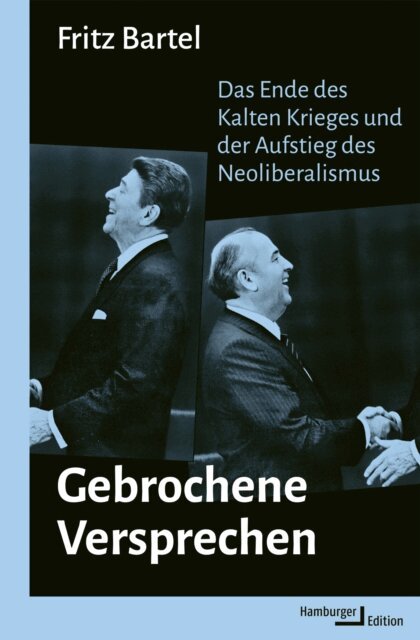
Warum kam der Kalte Krieg zu einem friedlichen Ende? Und warum hat die neoliberale Wirtschaftspolitik im späten 20. Jahrhundert die Welt erobert? In diesem bahnbrechenden Buch argumentiert Fritz Bartel, dass die Antwort auf diese Fragen ein und dieselbe ist. Der Kalte Krieg begann als Wettstreit zwischen kapitalistischen und kommunistischen Regierungen, um ihren Bürgerinnen und Bürgern ein besseres Leben zu ermöglichen. Doch die wirtschaftlichen Erschütterungen der 1970er Jahre machten solche Versprechen auf beiden Seiten des Eisernen Vorhangs unhaltbar. Die Energie- und Finanzmärkte übten immensen Druck auf die Regierungen aus. Der Historiker Fritz Bartel erzählt, wie der Druck, Versprechen zu brechen, das Ende des Kalten Krieges einleitete. Im Westen gab der Neoliberalismus Ronald Reagan und Margaret Thatcher das politische und ideologische Rüstzeug, um Industrien abzuwickeln, Sparmaßnahmen durchzusetzen und die Interessen des Kapitals über die der Arbeitnehmerinnen und Arbeitnehmer zu stellen. Doch in Osteuropa wehrten sich Revolutionäre wie Lech Walesa gegen jeden Versuch, die Regeln des Marktes durchzusetzen. Und Michail Gorbatschow gelang es letztlich nicht, das sowjetische System zu reformieren.