O. Fistikoglu - Böcker
Visar alla böcker från författaren O. Fistikoglu. Handla med fri frakt och snabb leverans.
4 produkter
4 produkter
1 590 kr
Skickas inom 10-15 vardagar
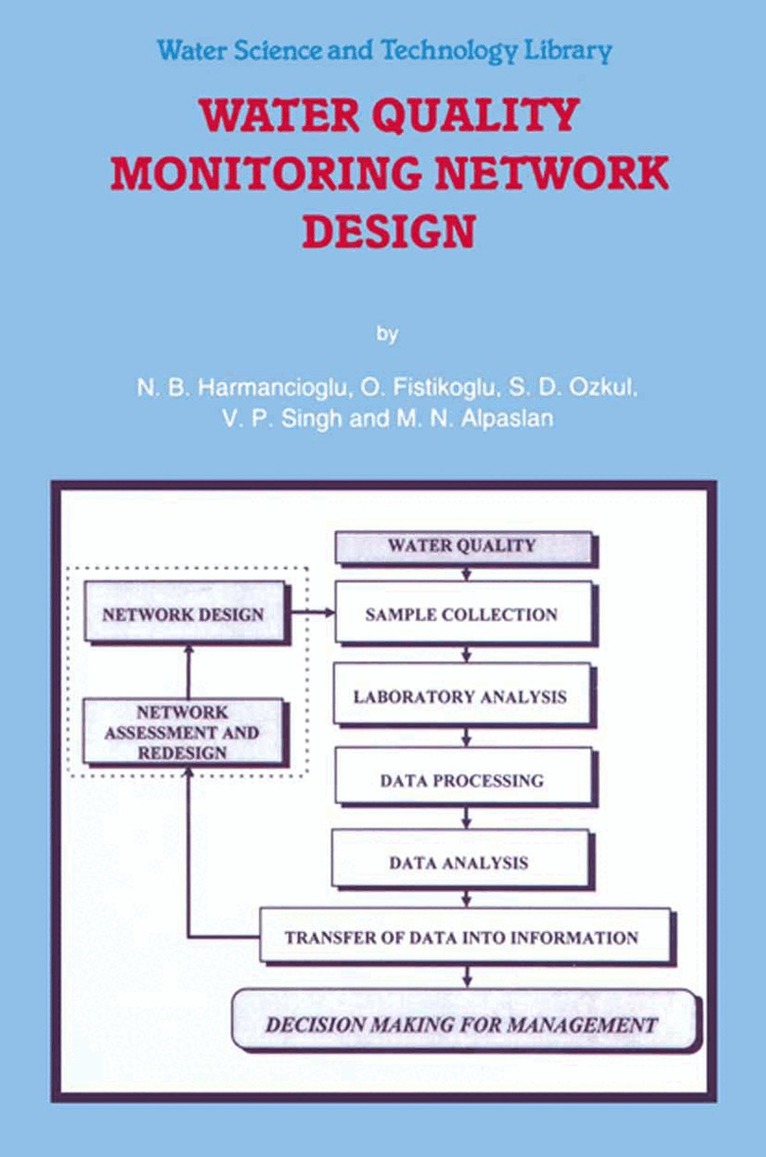
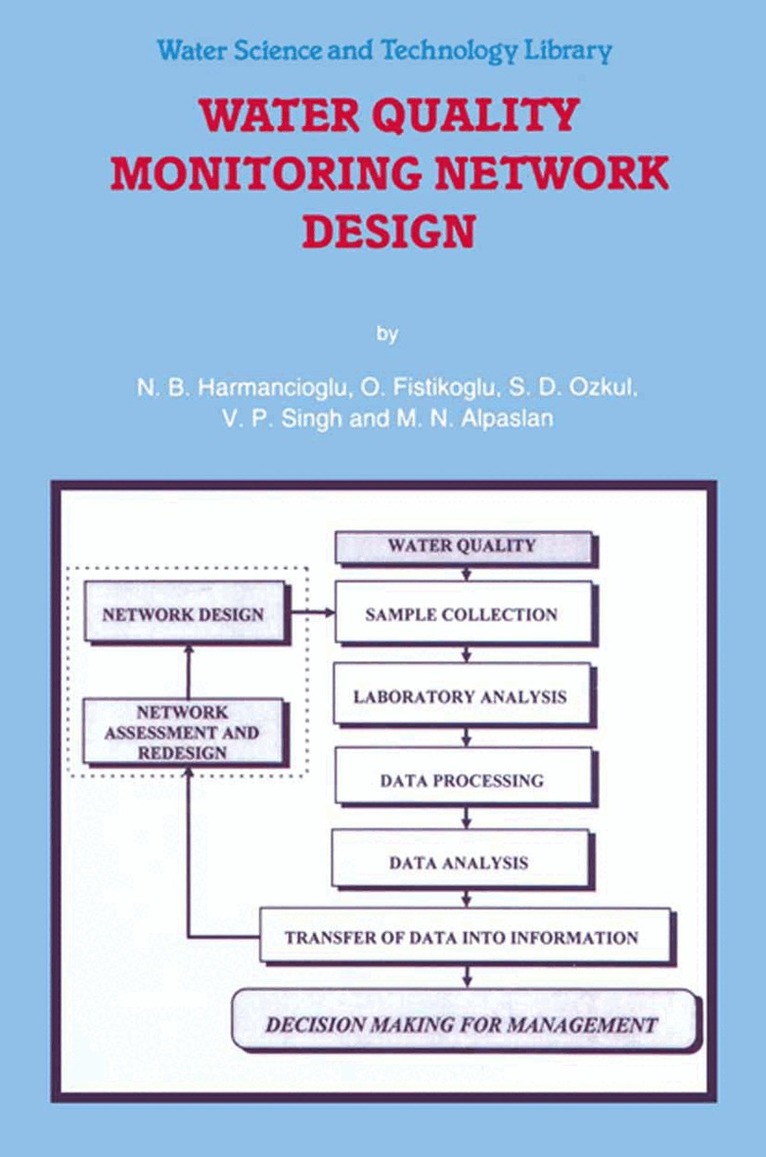
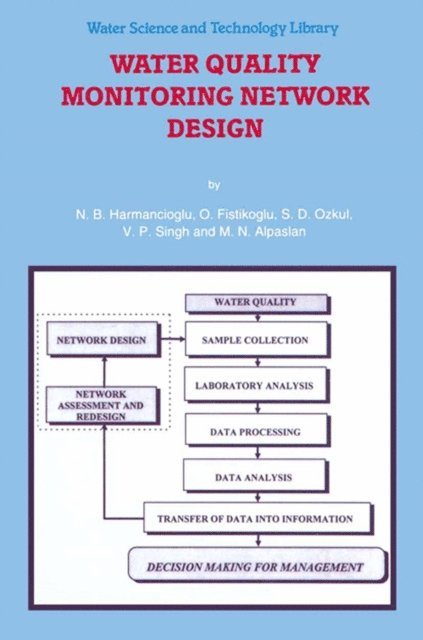
The volume is intended to present an up-to-date overview of the current network design procedures and develop basic guidelines to be followed in both the design and the redesign of water quality monitoring networks. The book treats the network design problem in a comprehensive and systematic framework, starting with objectives of monitoring and elaborating on various technical design features, such as selection of sampling sites, sampling frequences, variables to be monitored, and sampling duration. The design procedures presented are those that the authors have recently applied in a number of national and international projects on the design and redesign of water quality monitoring networks. Thus, the book covers real case studies where not only the methods described in the earlier titles are used but also new techniques are introduced. Where earlier methods are used, they are assessed with respect to their efficiency and applicability to real case problems. Essentially, the framework adopted in the book applies as well to other hydrometric data collection networks besides those of water quality.In this respect, it is expected that planners, designers, scientists, and engineers who are involved in hydrometric network design will benefit from the in-depth approach assumed in this book. It should also be of interest to research and data centres, international programmes and organizations related to environmental monitoring. The book may also be used as a reference text in graduate courses of water resources and environmental engineering programmes.
Integrated Technologies for Environmental Monitoring and Information Production
Inbunden, Engelska, 2003
1 064 kr
Skickas inom 10-15 vardagar
The prevailing universal problem in environmental data management (EDM) systems is the significant incoherence between data collection procedures and the retrieval of information required by the users. In this regard, an integrated approach to EDM has become vital. The problems that must be addressed require interdisciplinary approaches and much more sharing of data and information than in the past. This book focuses on the issue of environmental data management, especially aspects such as: objectives and constraints; design of data collection networks; statistical and physical sampling; remote sensing and GIS; databases; reliability of data; data analysis; and transformation of data into information. The subject has an international, interdisciplinary nature and constitutes the basis for all environmental management activities.The text presents an integrated approach to the problem, consisting of: integration of different levels and aspects of environmental data management; state-of-the-art evaluation of problems and solutions relevant to each aspect; integration of views and expertise of scientists from different disciplines and different countries; and integration of interdisciplinary approaches to data collection and information retrieval.
Integrated Technologies for Environmental Monitoring and Information Production
Häftad, Engelska, 2003
1 064 kr
Skickas inom 10-15 vardagar
The prevailing universal problem in environmental data management (EDM) systems is the significant incoherence between data collection procedures and the retrieval of information required by the users. In this regard, an integrated approach to EDM has become vital. The problems that must be addressed require interdisciplinary approaches and much more sharing of data and information than in the past. This book focuses on the issue of environmental data management, especially aspects such as: objectives and constraints; design of data collection networks; statistical and physical sampling; remote sensing and GIS; databases; reliability of data; data analysis; and transformation of data into information. The subject has an international, interdisciplinary nature and constitutes the basis for all environmental management activities.The text presents an integrated approach to the problem, consisting of: integration of different levels and aspects of environmental data management; state-of-the-art evaluation of problems and solutions relevant to each aspect; integration of views and expertise of scientists from different disciplines and different countries; and integration of interdisciplinary approaches to data collection and information retrieval.
1 590 kr
Skickas inom 10-15 vardagar
In recent years, the adequacy of collected water quality data and the performance of existing monitoring networks have been seriously evaluated for two basic reasons. First, an efficient information system is required to satisfy the needs of water quality management plans and to aid in the decision-making process. Second, this system has to be realized under the constraints of limited financial resources, sampling and analysis facilities, and manpower. Problems observed in available data and shortcomings of current networks have led researchers to focus more critically on the design procedures used. The book is intended to present an up-to-date overview of the current network design procedures and develop basic guidelines to be followed in both the design and the redesign of water quality monitoring networks. The book treats the network design problem in a comprehensive and systematic framework, starting with objectives of monitoring and elaborating on various technical design features, e.g. selection of sampling sites, sampling frequencies, variables to be monitored, and sampling duration.The design procedures presented are those that the authors have recently applied in a number of national and international projects on the design and redesign of water quality monitoring networks. Thus, the book covers real case studies where not only the methods described in the earlier titles are used but also new techniques are introduced. Where earlier methods are used, they are assessed with respect to their efficiency and applicability to real case problems. Audience: Essentially, the framework adopted in the book applies as well to other hydrometric data collection networks besides those of water quality. In this respect, it is expected that planners, designers, scientists, and engineers who are involved in hydrometric network design will benefit from the in-depth approach assumed in this book. It will also be of interest to research and data centers, international programs and organizations related to environmental monitoring. The book may also be used as a reference text in graduate courses of water resources and environmental engineering programs.