Octavio Luiz Motta Ferraz – författare
Visar alla böcker från författaren Octavio Luiz Motta Ferraz. Handla med fri frakt och snabb leverans.
6 produkter
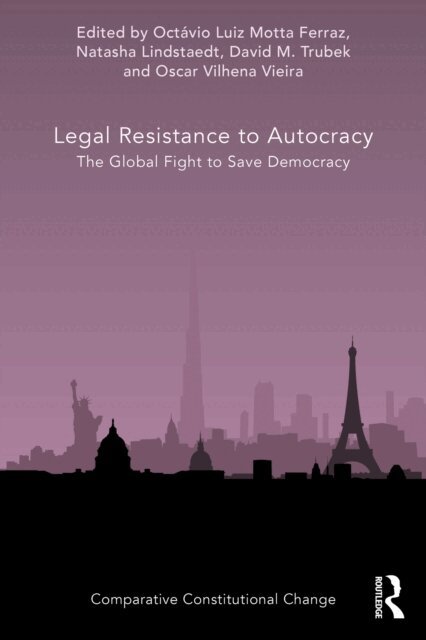
Legal Resistance to Autocracy
The Global Fight to Save Democracy
Av Oscar Vilhena Vieira, David M. Trubek m. fl.
E-bok, 2025
765 kr
Lägg i varukorg
This book focuses on resistance to autocratization, a less well-researched and understood topic than the rise of authoritarianism. As the editors and authors of this book have experienced both through their academic research and personal lives in autocratizing countries, autocratization does not …
Legal Resistance to Autocracy
The Global Fight to Save Democracy
Av Oscar Vilhena Vieira, David M. Trubek m. fl.
E-bok, 2025
748 kr
Lägg i varukorg
This book focuses on resistance to autocratization, a less well-researched and understood topic than the rise of authoritarianism. As the editors and authors of this book have experienced both through their academic research and personal lives in autocratizing countries, autocratization does not …
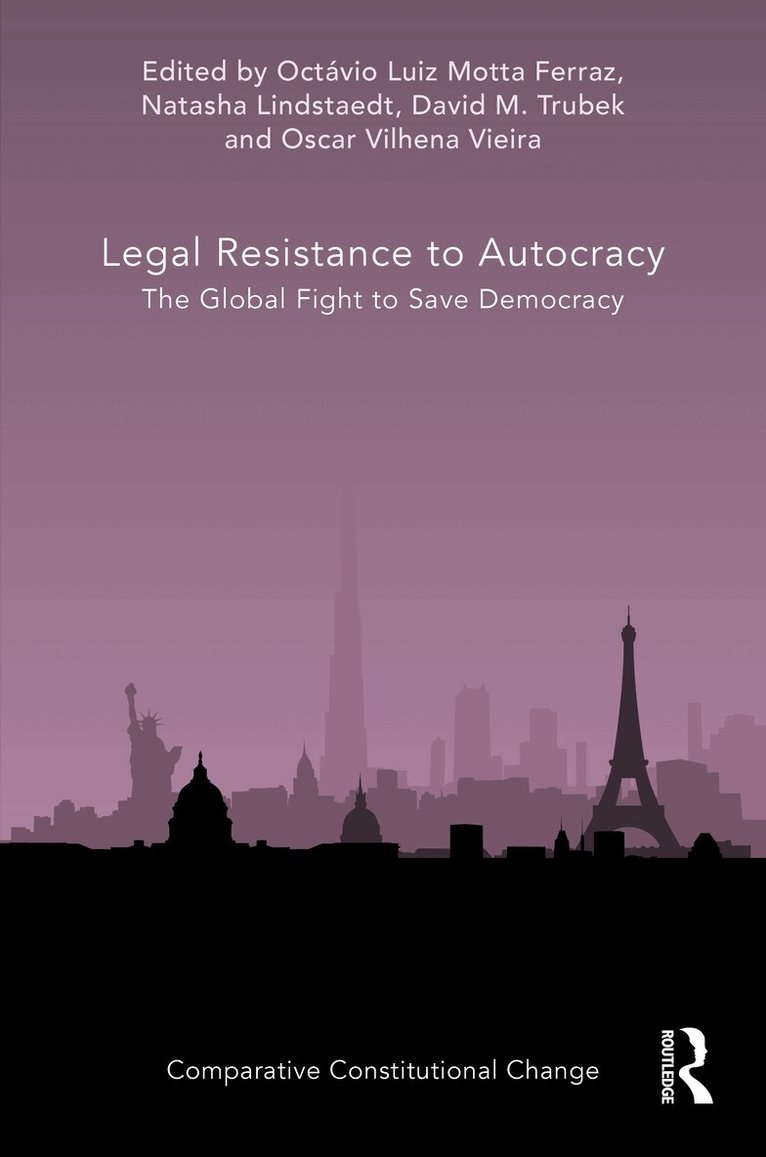
Legal Resistance to Autocracy
The Global Fight to Save Democracy
Av Octávio Luiz Motta Ferraz, Natasha Lindstaedt m. fl.
Inbunden, 2025
2504 kr
Lägg i varukorg
This book focuses on resistance to autocratization, a less well-researched and understood topic than the rise of authoritarianism. As the editors and authors of this book have experienced both through their academic research and personal lives in autocratizing countries, autocratization does not …
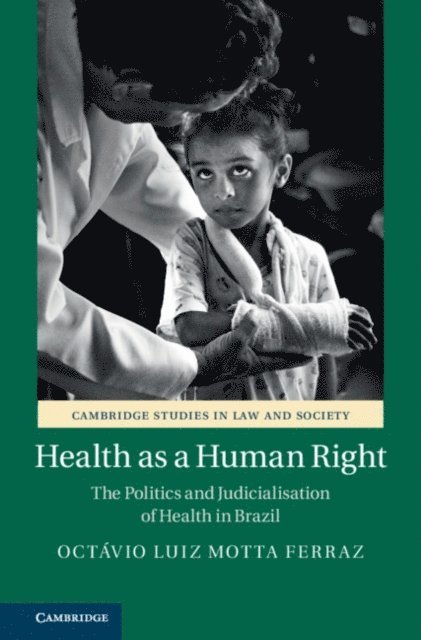
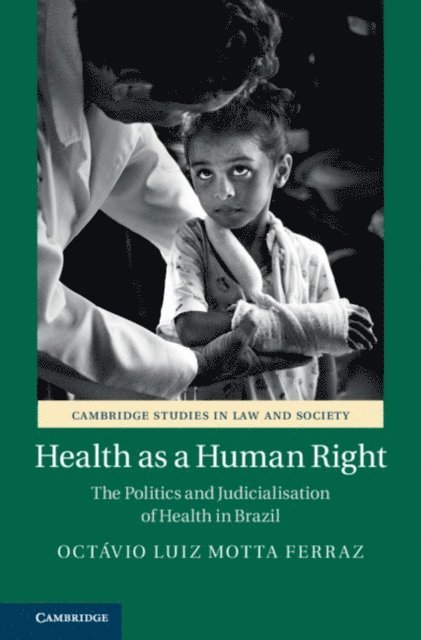
Health as a Human Right
The Politics and Judicialisation of Health in Brazil
E-bok, 2020
489 kr
Lägg i varukorg
Does human rights law work? This book engages in this heated debate through a detailed analysis of thirty years of the right to health - perhaps the most complex human right - in Brazil. Are Brazilians better off three decades after the enactment of the right to health in the 1988 Constitution? Has …
Health as a Human Right
The Politics and Judicialisation of Health in Brazil
E-bok, 2020
474 kr
Lägg i varukorg
Does human rights law work? This book engages in this heated debate through a detailed analysis of thirty years of the right to health - perhaps the most complex human right - in Brazil. Are Brazilians better off three decades after the enactment of the right to health in the 1988 Constitution? Has …
Health as a Human Right
The Politics and Judicialisation of Health in Brazil
Häftad, 2025
463 kr
Lägg i varukorg
Does human rights law work? This book engages in this heated debate through a detailed analysis of thirty years of the right to health - perhaps the most complex human right - in Brazil. Are Brazilians better off three decades after the enactment of the right to health in the 1988 Constitution? Has …