Okechukwu Nwafor - Böcker
Visar alla böcker från författaren Okechukwu Nwafor. Handla med fri frakt och snabb leverans.
4 produkter
4 produkter
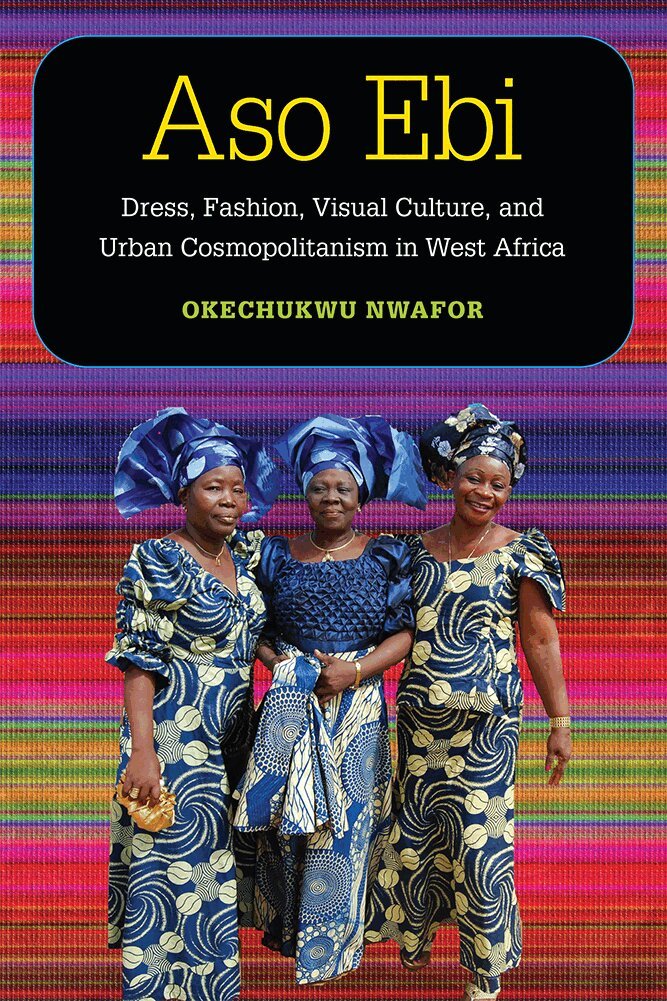
Aso Ebi
Dress, Fashion, Visual Culture, and Urban Cosmopolitanism in West Africa
Häftad, Engelska, 2021
303 kr
Skickas inom 7-10 vardagar
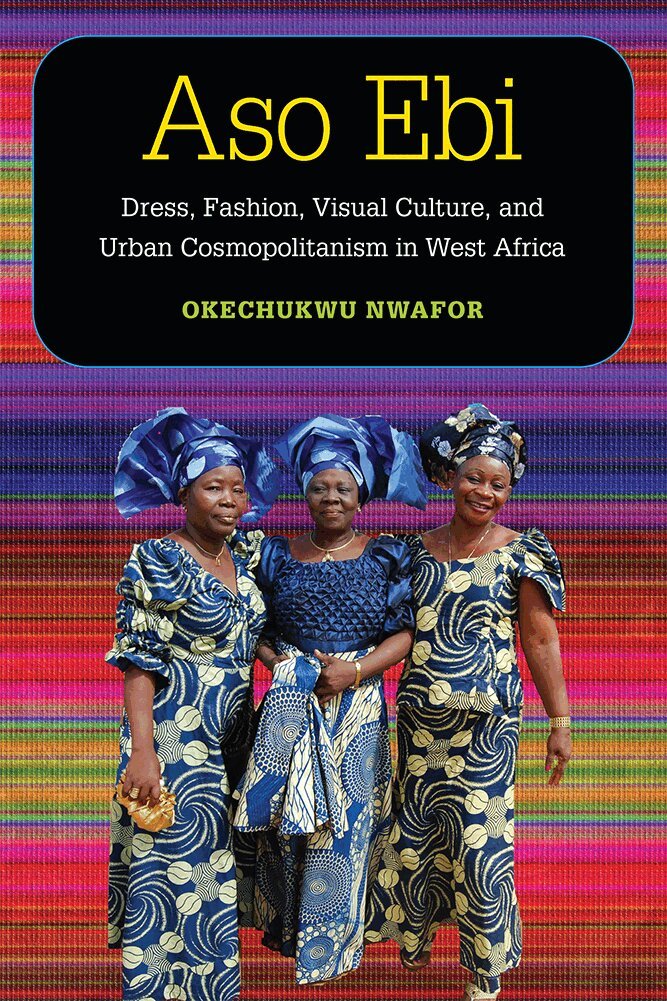
The Nigerian and West African practice of aso ebi fashion invokes notions of wealth and group dynamics in social gatherings. Okechukwu Nwafor’s volume Aso ebi investigates the practice in the cosmopolitan urban setting of Lagos, and argues that the visual and consumerist hype typical of the late capitalist system feeds this unique fashion practice. The book suggests that dress, fashion, aso ebi, and photography engender a new visual culture that largely reflects the economics of mundane living. Nwafor examines the practice’s societal dilemma, whereby the solidarity of aso ebi is dismissed by many as an ephemeral transaction. A circuitous transaction among photographers, fashion magazine producers, textile merchants, tailors, and individual fashionistas reinvents aso ebi as a product of cosmopolitan urban modernity. The results are a fetishization of various forms of commodity culture, personality cults through mass followership, the negotiation of symbolic power through mass-produced images, exchange value in human relationships through gifts, and a form of exclusion achieved through digital photo editing. Aso ebi has become an essential part of Lagos cosmopolitanism: as a rising form of a unique visual culture it is central to the unprecedented spread of a unique West African fashion style that revels in excessive textile overflow. This extreme dress style is what an individual requires to transcend the lack imposed by the chaos of the postcolonial city.
Exit of a Hero
Photography and the Visual Culture of Commemoration in Southern Nigeria
Häftad, Engelska, 2026
429 kr
Skickas inom 7-10 vardagar
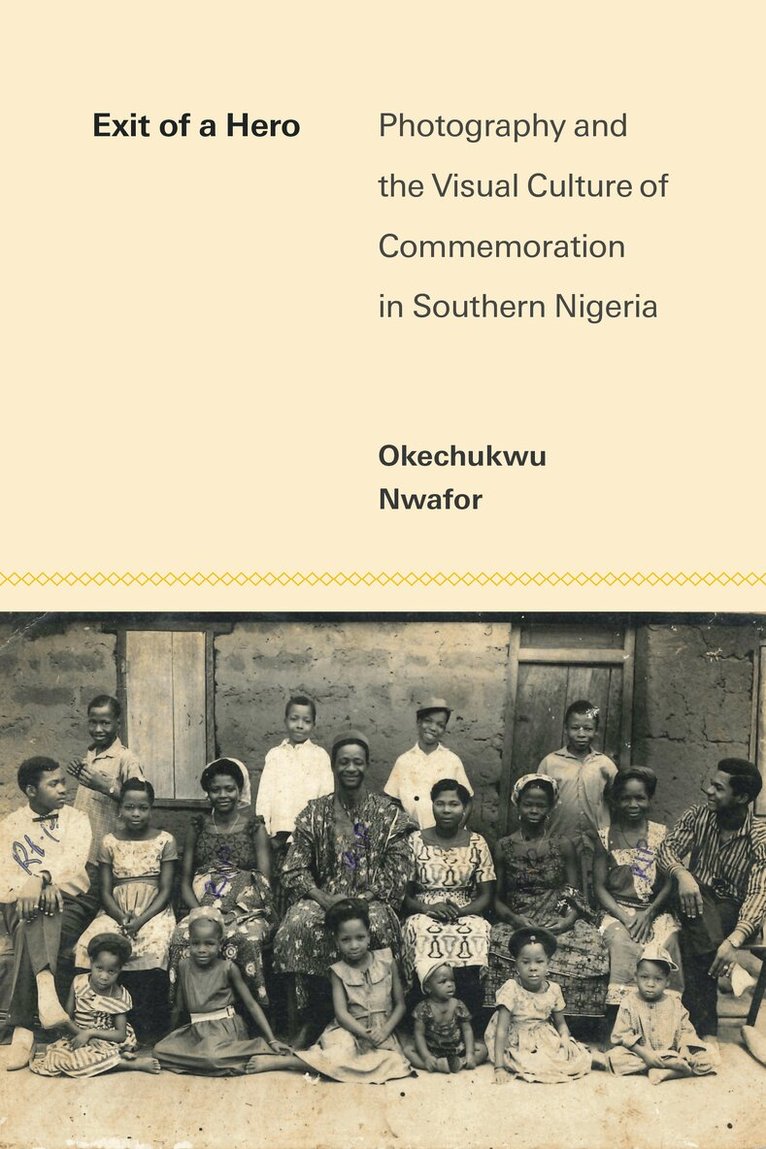
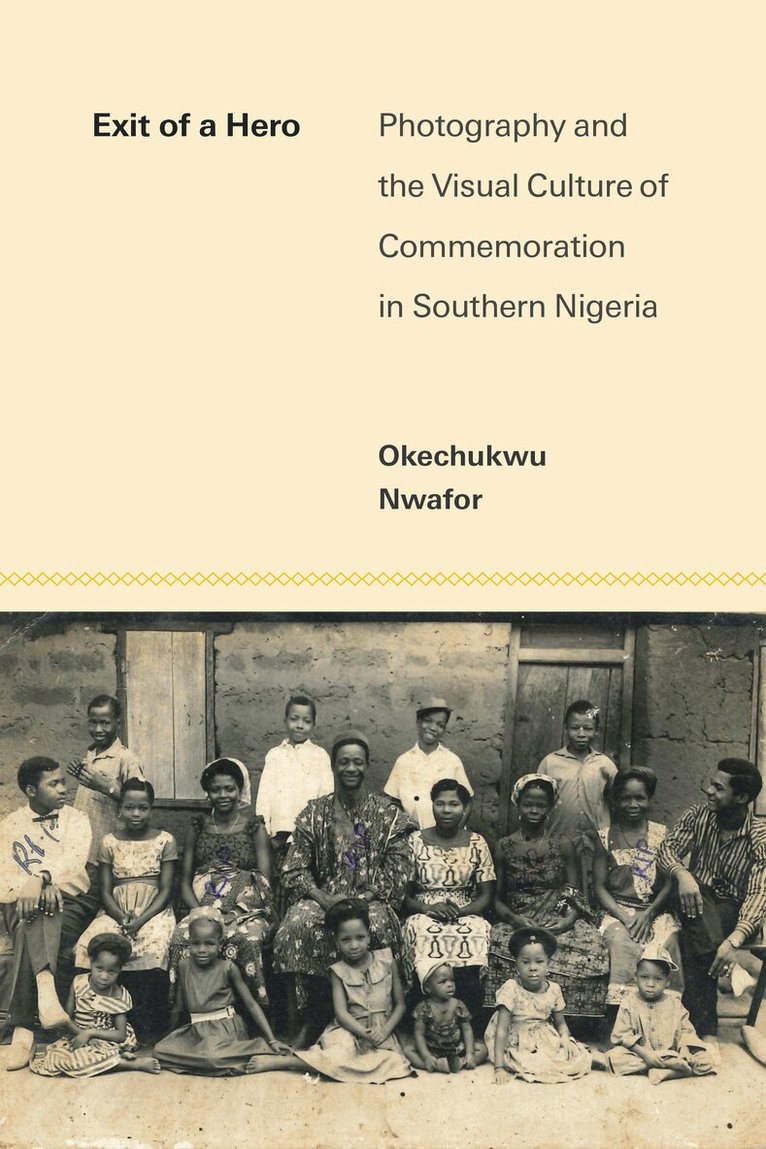
In Exit of a Hero, Okechukwu Nwafor explores the cultural, political, and socioeconomic implications of photography in commemorative practices in southern Nigeria from the nineteenth century to the present. Focusing on obituary and commemorative photographs of late nineteenth and early twentieth-century Lagos to contemporary funeral posters, booklets, and social media posts, Nwafor tracks the historical evolution of the iconic and heroic image. He argues that the quest to produce an ideal memorial body is not just a personal aesthetic choice but a deliberate photographic project that resonates with the Igbo aspirations for heroic achievement. Exit of a Hero asserts that the visual canonization transforms the deceased from a fallible being to an unimpeachable character who transcends underachievement, imperfection, and failed social performance to emerge as a saintly icon of the Igbo public sphere. In seeking an alternative, hyper-visible public self, social media reclaims the lost hero image of the deceased, reconstituting the contested Igbo public space as a lived reality where heroes and icons are actively and eternally commemorated. Nwafor unveils the creative imaginations of colonial subjects and postcolonial citizens as memorialization has become entangled within the intersecting discursive spaces of print culture and the public sphere.
Aso Ebi
Dress, Fashion, Visual Culture, and Urban Cosmopolitanism in West Africa
Inbunden, Engelska, 2021
927 kr
Skickas inom 7-10 vardagar
The Nigerian and West African practice of aso ebi fashion invokes notions of wealth and group dynamics in social gatherings. Okechukwu Nwafor’s volume Aso ebi investigates the practice in the cosmopolitan urban setting of Lagos, and argues that the visual and consumerist hype typical of the late capitalist system feeds this unique fashion practice. The book suggests that dress, fashion, aso ebi, and photography engender a new visual culture that largely reflects the economics of mundane living. Nwafor examines the practice’s societal dilemma, whereby the solidarity of aso ebi is dismissed by many as an ephemeral transaction. A circuitous transaction among photographers, fashion magazine producers, textile merchants, tailors, and individual fashionistas reinvents aso ebi as a product of cosmopolitan urban modernity. The results are a fetishization of various forms of commodity culture, personality cults through mass followership, the negotiation of symbolic power through mass-produced images, exchange value in human relationships through gifts, and a form of exclusion achieved through digital photo editing. Aso ebi has become an essential part of Lagos cosmopolitanism: as a rising form of a unique visual culture it is central to the unprecedented spread of a unique West African fashion style that revels in excessive textile overflow. This extreme dress style is what an individual requires to transcend the lack imposed by the chaos of the postcolonial city.
Exit of a Hero
Photography and the Visual Culture of Commemoration in Southern Nigeria
Inbunden, Engelska, 2026
1 353 kr
Skickas inom 7-10 vardagar
In Exit of a Hero, Okechukwu Nwafor explores the cultural, political, and socioeconomic implications of photography in commemorative practices in southern Nigeria from the nineteenth century to the present. Focusing on obituary and commemorative photographs of late nineteenth and early twentieth-century Lagos to contemporary funeral posters, booklets, and social media posts, Nwafor tracks the historical evolution of the iconic and heroic image. He argues that the quest to produce an ideal memorial body is not just a personal aesthetic choice but a deliberate photographic project that resonates with the Igbo aspirations for heroic achievement. Exit of a Hero asserts that the visual canonization transforms the deceased from a fallible being to an unimpeachable character who transcends underachievement, imperfection, and failed social performance to emerge as a saintly icon of the Igbo public sphere. In seeking an alternative, hyper-visible public self, social media reclaims the lost hero image of the deceased, reconstituting the contested Igbo public space as a lived reality where heroes and icons are actively and eternally commemorated. Nwafor unveils the creative imaginations of colonial subjects and postcolonial citizens as memorialization has become entangled within the intersecting discursive spaces of print culture and the public sphere.