Oliver Tearle – författare
Visar alla böcker från författaren Oliver Tearle. Handla med fri frakt och snabb leverans.
16 produkter
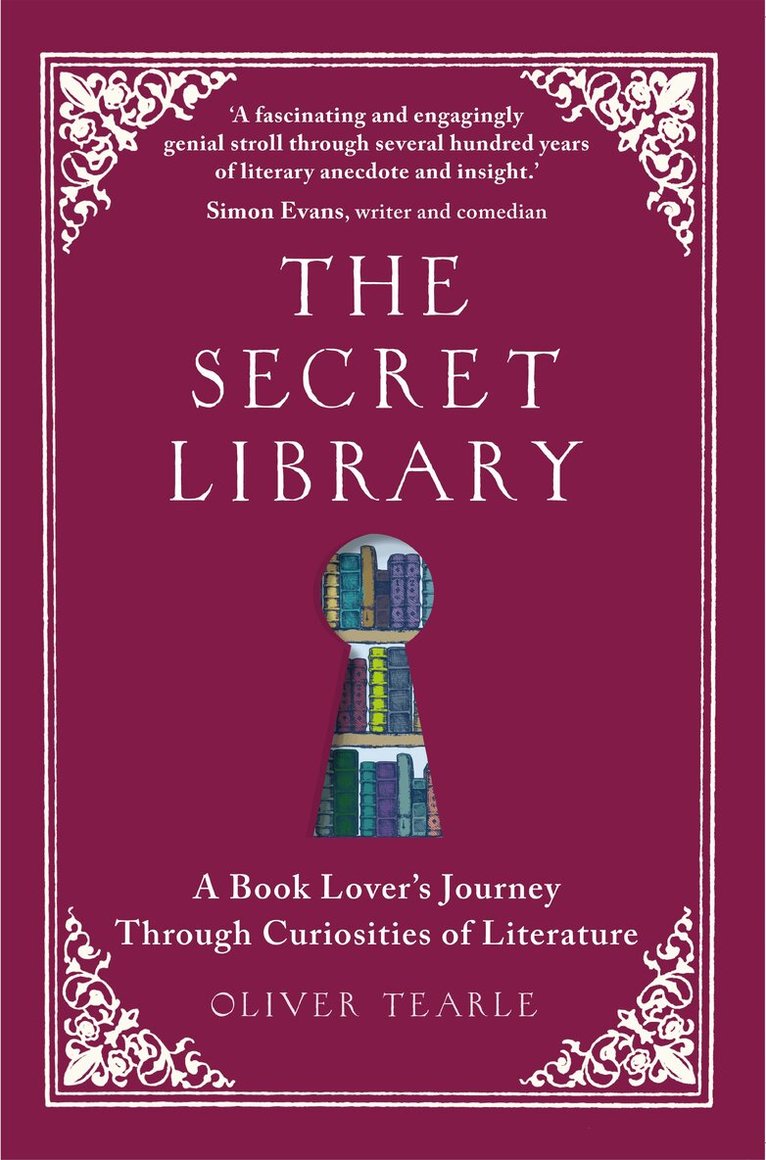
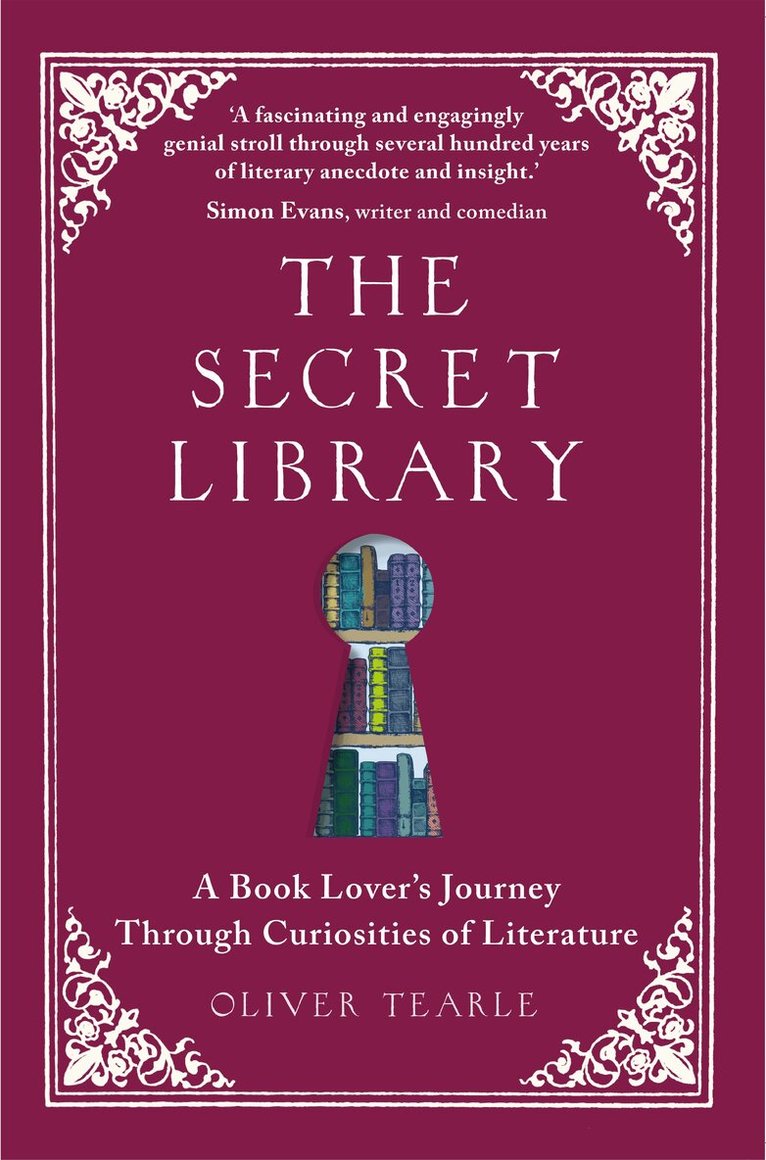
Secret Library
A Book Lover's Journey Through Curiosities of Literature
Häftad, 2024
107 kr
Lägg i varukorg
How much do you know about the Victorian novelist who outsold Dickens? Or the woman who became the first published poet in America? Do you know what connects Homer’s Iliad to Aesop’s Fables?The Secret Library explores these intriguing morsels of lesser-known history, along with the familiar …
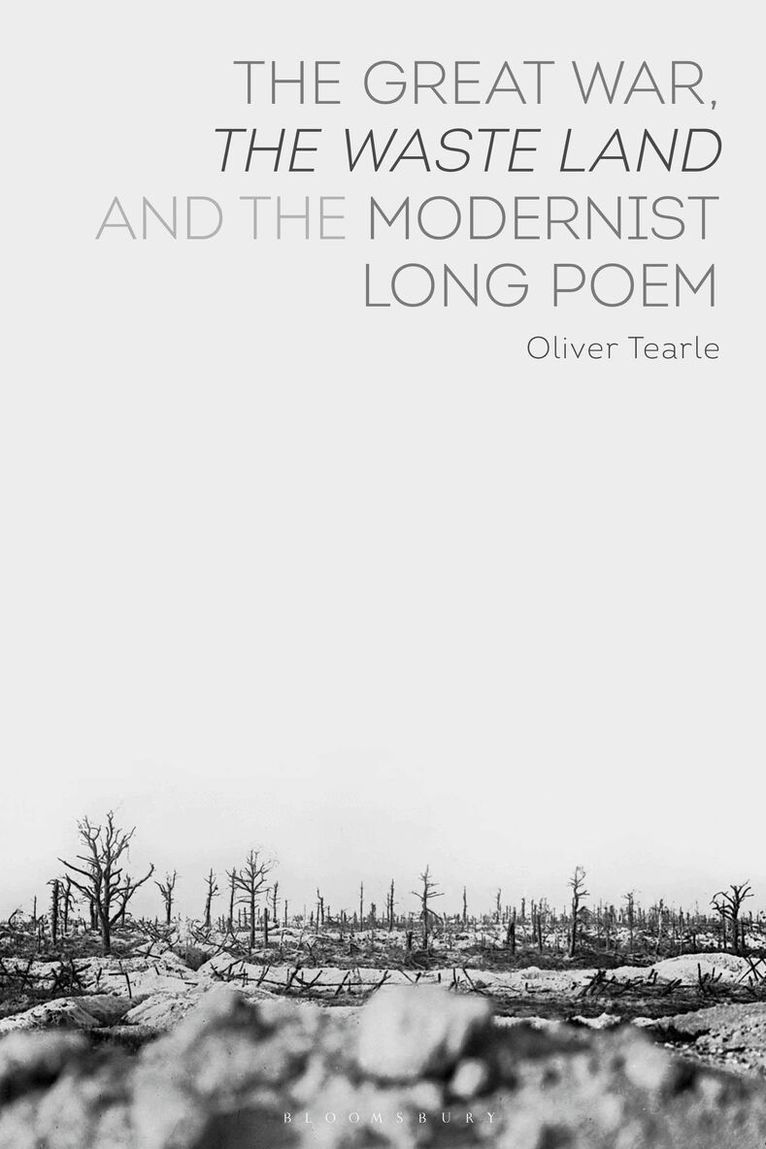
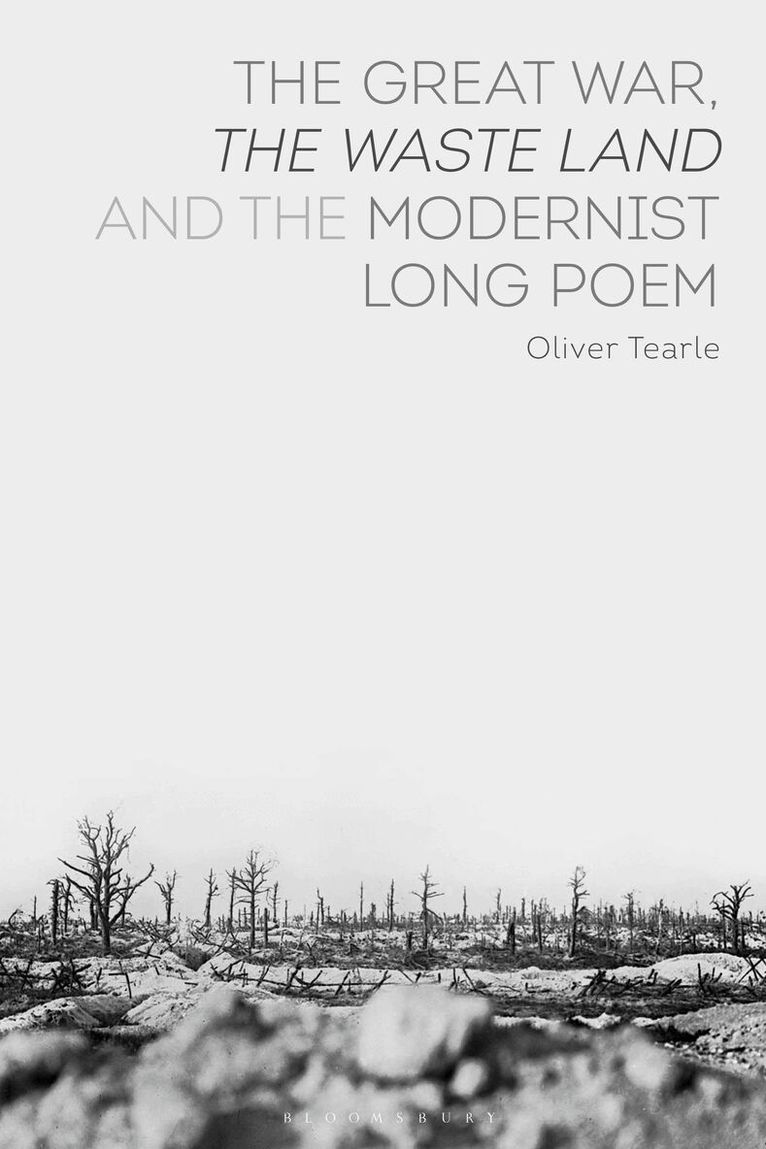
Great War, The Waste Land and the Modernist Long Poem
Inbunden, 2019
1958 kr
Lägg i varukorg
The Great War, The Waste Land and the Modernist Long Poem explores how cultural responses to the trauma of the First World War found expression in the form of the modernist long poem. Beginning with T.S. Eliot’s The Waste Land, Oliver Tearle reads that most famous example of the genre in comparison …
Great War, The Waste Land and the Modernist Long Poem
E-bok, 2019
590 kr
Lägg i varukorg
The Great War, The Waste Land and the Modernist Long Poem explores how cultural responses to the trauma of the First World War found expression in the form of the modernist long poem. Beginning with T.S. Eliot''s The Waste Land , Oliver Tearle reads that most famous example of the genre in …
Great War, The Waste Land and the Modernist Long Poem
E-bok, 2019
596 kr
Lägg i varukorg
The Great War, The Waste Land and the Modernist Long Poem explores how cultural responses to the trauma of the First World War found expression in the form of the modernist long poem. Beginning with T.S. Eliot''s The Waste Land , Oliver Tearle reads that most famous example of the genre in …
Great War, The Waste Land and the Modernist Long Poem
Häftad, 2020
561 kr
Lägg i varukorg
The Great War, The Waste Land and the Modernist Long Poem explores how cultural responses to the trauma of the First World War found expression in the form of the modernist long poem. Beginning with T.S. Eliot’s The Waste Land, Oliver Tearle reads that most famous example of the genre in comparison …
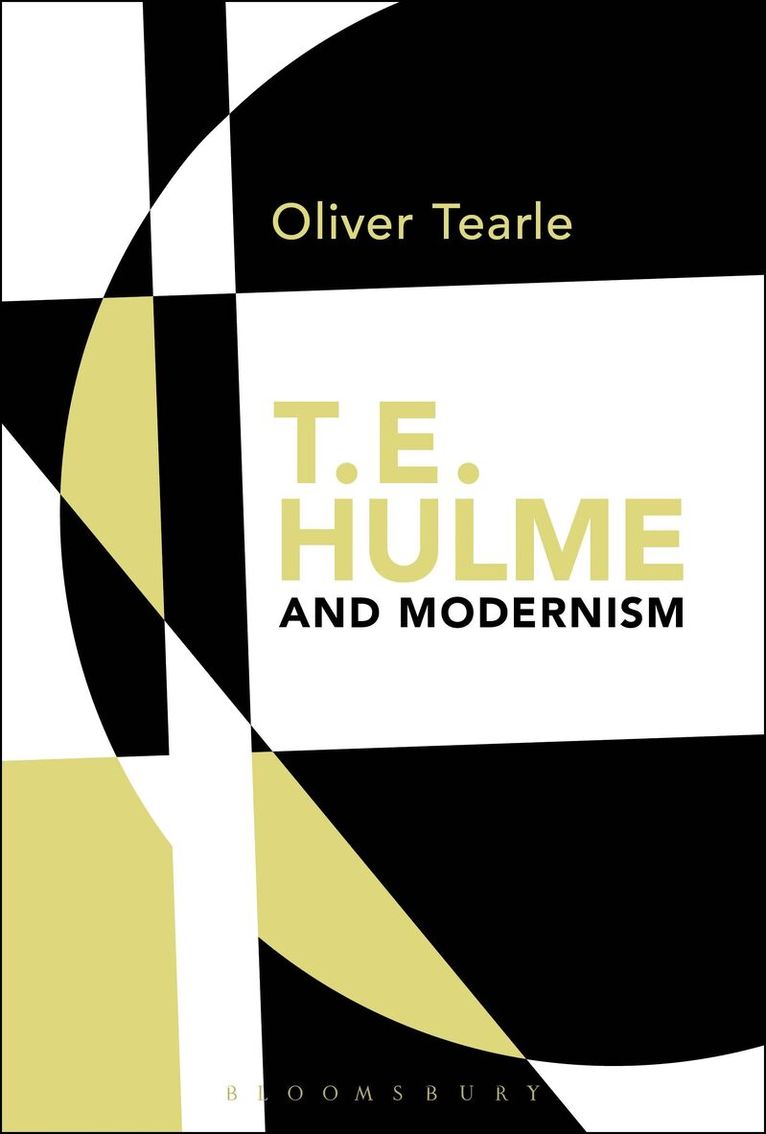
T.E. Hulme and Modernism
Inbunden, 2013
2289 kr
Lägg i varukorg
T. E. Hulme (1883-1917) was the author of a small number of poems and some genuinely innovative critical and philosophical writings. From this modest output his influence on later writers was considerable: T. S. Eliot described his poems as ‘beautiful’ and Ezra Pound and Wyndham Lewis were both …
T.E. Hulme and Modernism
E-bok, 2013
699 kr
Lägg i varukorg
T. E. Hulme (1883-1917) was the author of a small number of poems and some genuinely innovative critical and philosophical writings. From this modest output his influence on later writers was considerable: T. S. Eliot described his poems as 'beautiful' and Ezra Pound and Wyndham Lewis were both …
T.E. Hulme and Modernism
E-bok, 2013
699 kr
Lägg i varukorg
T. E. Hulme (1883-1917) was the author of a small number of poems and some genuinely innovative critical and philosophical writings. From this modest output his influence on later writers was considerable: T. S. Eliot described his poems as 'beautiful' and Ezra Pound and Wyndham Lewis were both …
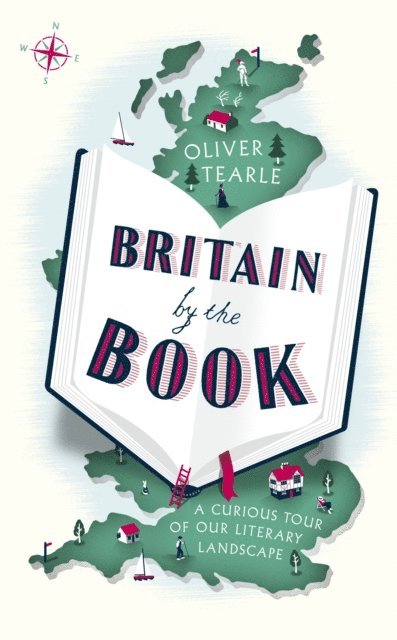
Britain by the Book
A Curious Tour of Our Literary Landscape
E-bok, 2017
45 kr
Lägg i varukorg
What caused Dickens to leap out of bed one night and walk 30 miles from London to Kent? How did a small town on the Welsh borders become the second-hand bookshop capital of the world? Why did a jellyfish persuade Evelyn Waugh to abandon his suicide attempt in North Wales? A multitude of curious …
Britain by the Book
A Curious Tour of Our Literary Landscape
Häftad, 2018
139 kr
Lägg i varukorg
What caused Dickens to leap out of bed one night and walk 30 miles from London to Kent?How did a small town on the Welsh borders become the second-hand bookshop capital of the world?Why did a jellyfish persuade Evelyn Waugh to abandon his suicide attempt in North Wales? A multitude of curious …
T.E. Hulme and Modernism
Häftad, 2015
643 kr
Lägg i varukorg
T. E. Hulme (1883-1917) was the author of a small number of poems and some genuinely innovative critical and philosophical writings. From this modest output his influence on later writers was considerable: T. S. Eliot described his poems as ‘beautiful’ and Ezra Pound and Wyndham Lewis were both …
Secret Library
A Book Lover's Journey Through Curiosities of Literature
E-bok, 2016
63 kr
Lägg i varukorg
How much do you know about the Victorian novelist who outsold Dickens? Or the woman who became the first published poet in America? Do you know what connects Homer’s Iliad to Aesop’s Fables?The Secret Library explores these intriguing morsels of lesser-known history, along with the familiar …
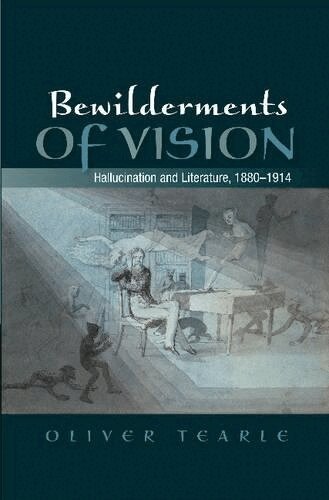
Bewilderments of Vision
Hallucination and Literature, 1880-1914
Inbunden, 2012
2188 kr
Lägg i varukorg
According to Oscar Wilde, the primary aim of the critic is to see the object as in itself it really is not'. Through a series of close and often unusual readings, this book endeavours to develop Wilde's remark into a detailed and creative theory of reading. Or perhaps that should be misreading: …
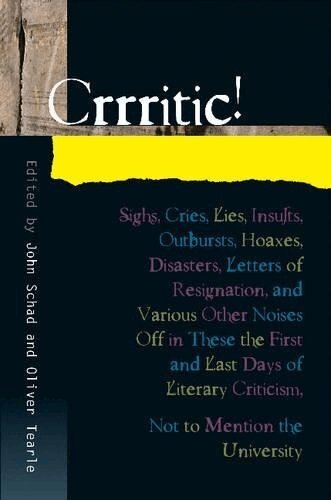
Crrritic!
Sighs, Cries, Lies, Insults, Outbursts, Hoaxes, Disasters, Letters of Resignation and Various Other Noises Off in These the First and Last Days of Literary Criticism
Häftad, 2011
579 kr
Lägg i varukorg
Oscar Wilde famously spoke of 'the critic as artist' whilst Terry Eagleton once celebrated 'the critic as clown'. This exciting new volume brings together a range of writings that seek to radically re-imagine the often pale figure of the literary critic. In doing so we here glimpse a host of …
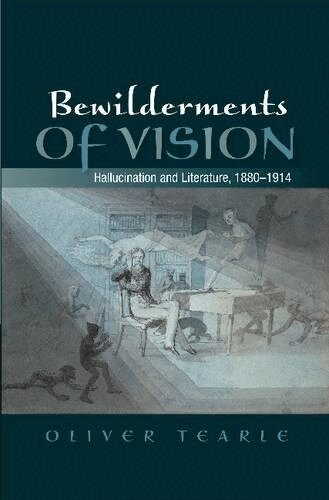
Bewilderments of Vision
Hallucination and Literature, 1880-1914
Häftad, 2014
624 kr
Lägg i varukorg
According to Oscar Wilde, the primary aim of the critic is to see the object as in itself it really is not'. Through a series of close and often unusual readings, this book endeavours to develop Wilde's remark into a detailed and creative theory of reading. Or perhaps that should be misreading: …
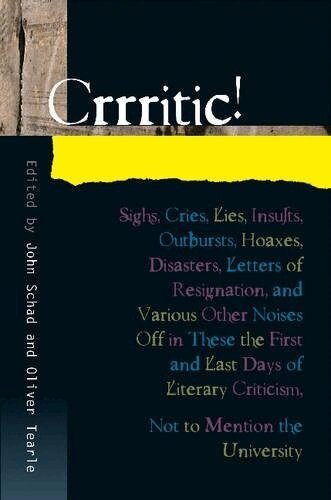
Crrritic!
Sighs, Cries, Lies, Insults, Outbursts, Hoaxes, Disasters, Letters of Resignation and Various Other Noises Off in These the First and Last Days of Literary Criticism
Inbunden, 2011
2188 kr
Tillfälligt slut
Oscar Wilde famously spoke of 'the critic as artist' whilst Terry Eagleton once celebrated 'the critic as clown'. This exciting new volume brings together a range of writings that seek to radically re-imagine the often pale figure of the literary critic. In doing so we here glimpse a host of …