Otaviano Canuto - Böcker
Visar alla böcker från författaren Otaviano Canuto. Handla med fri frakt och snabb leverans.
5 produkter
5 produkter
Day After Tomorrow
A Handbook on the Future of Economic Policy in the Developing World
Häftad, Engelska, 2010
391 kr
Skickas inom 10-15 vardagar
The global financial crisis of 2008-09 did not just change the global economic order. It also changed the way we think about that order. Principles and practices that were once accepted wisdom are now in doubt or discredited. New, fundamental questions opened. And the search for answers has barely begun. For the developing world, that conceptual uncertainty is particularly uncomfortable-through a mix of good policies and good luck, they had begun to achieve real progress. Will all that now be derailed? What does the new horizon bring to them? Can they find new policy ideas that will turn the shock of the crisis into a final run toward "developed" status? How does the future look when seen from various geographic regions? Those are the kind of questions that we asked, in the summer of 2010, to some 40 development professionals working at the World Bank. This book is an unfiltered collection of their views. As seasoned practitioners in the leading development institution, they have a unique perspective from which to visualize, we would dare say "to sense," what may be coming.Some of them look at the big picture of the role that the developing world is about to play, and how it will play it. Others walk us through the conceptual links around specific issues that will affect that world-say, the likely evolution of macro-financial regulation. And others take us to continents and countries, teach us about their realities, and tell us how things will differ in the coming years. Put together, they paint a picture of reasoned optimism.
446 kr
Skickas inom 10-15 vardagar
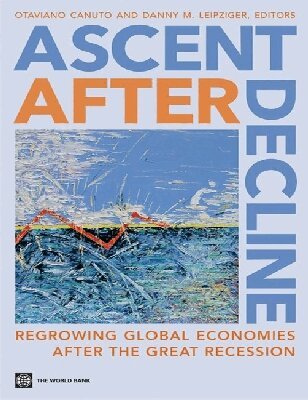
The Great Recession of 2009–11 was not simply a severe business cycle slowdown or even a combined credit, housing, and asset market collapse. It left permanent scars, especially on the advanced economies. In its wake, policy makers must navigate uncharted economic territory where “business as usual” no longer applies and deep structural changes mark the global economic landscape. Fundamental questions about the daunting task of “regrowing growth” have now taken center stage for economists, politicians, and policy makers alike: Will international capital flows be encouraged or discouraged? How open will export markets be, given the structural changes and their implications for employment? How much reliance will there be on market solutions when governments—now overly indebted and wary of additional relief expenditures—are expected to deliver on the promise of economic growth? Without a resurrection of strong economic growth in major economies, the likelihood of rapid economic development in poor developing countries is dampened. The nature of that ascent is the subject of this volume. In Ascent after Decline, more than a dozen distinguished contributors scan the economic horizon, spell out the new fiscal reality, and highlight the policy choices on which economic regrowth will depend. If the Great Recession has taught one lesson, it is that when fundamental shifts occur, the outcomes will entail new elements that shape future directions and affect policy. How these pressing policy questions are answered will, in large measure, determine the future face of globalization.
555 kr
Skickas inom 10-15 vardagar
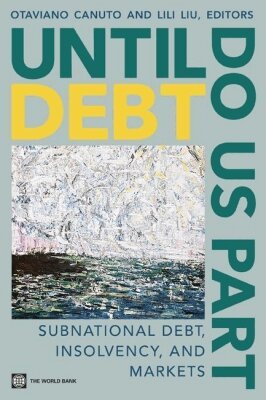
With decentralisation and urbanisation, the debts of state and local governments and of quasi-public agencies have grown in importance. Rapid urbanisation in developing countries requires large-scale infrastructure financing to help absorb influxes of rural populations. Borrowing enables state and local governments to capture the benefits of major capital investments immediately and to finance infrastructure more equitably across multiple generations of service users. With debt comes the risk of insolvency. Subnational debt crises have reoccurred in both developed and developing countries. Restructuring debt and ensuring its sustainability confront moral hazard and fiscal incentives in a multilevel government system; individual subnational governments might free-ride common resources, and public officials at all levels might shift the cost of excessive borrowing to future generations. This book brings together the reform experiences of emerging economies and developed countries. Written by leading practitioners and experts in public finance in the context of multilevel government systems, the book examines the interaction of markets, regulators, subnational borrowers, creditors, national governments, taxpayers, ex-ante rules, and ex-post insolvency systems in the quest for subnational fiscal discipline.Such a quest is intertwined with a country's historical, political, and economic context. The formal legal framework interacts with political reality to influence the dynamics of and incentives for reform. Often, the resolution of a subnational debt crisis unfolds in the context of macroeconomic stabilisation and structural reforms. The book includes reforms that have not been covered by previous literature, such as those of China, Colombia, France, Hungary, Mexico, and South Africa. The book also presents a comprehensive review of how the United States developed its debt market for state and local governments, through a series of reforms that are path dependent, including the reforms and lessons learned following state defaults in the 1840s and the debates that shaped the enactment of Chapter 9 of the Bankruptcy Code in 1937. Looking forward, pressures on subnational finance are likely to continue-from the fragility of global recovery, the potentially higher cost of capital, refinancing risks, and sovereign risks. This book is essential reading for anyone wanting to know the challenges and reform options in debt restructuring, insolvency frameworks, and public debt market development.
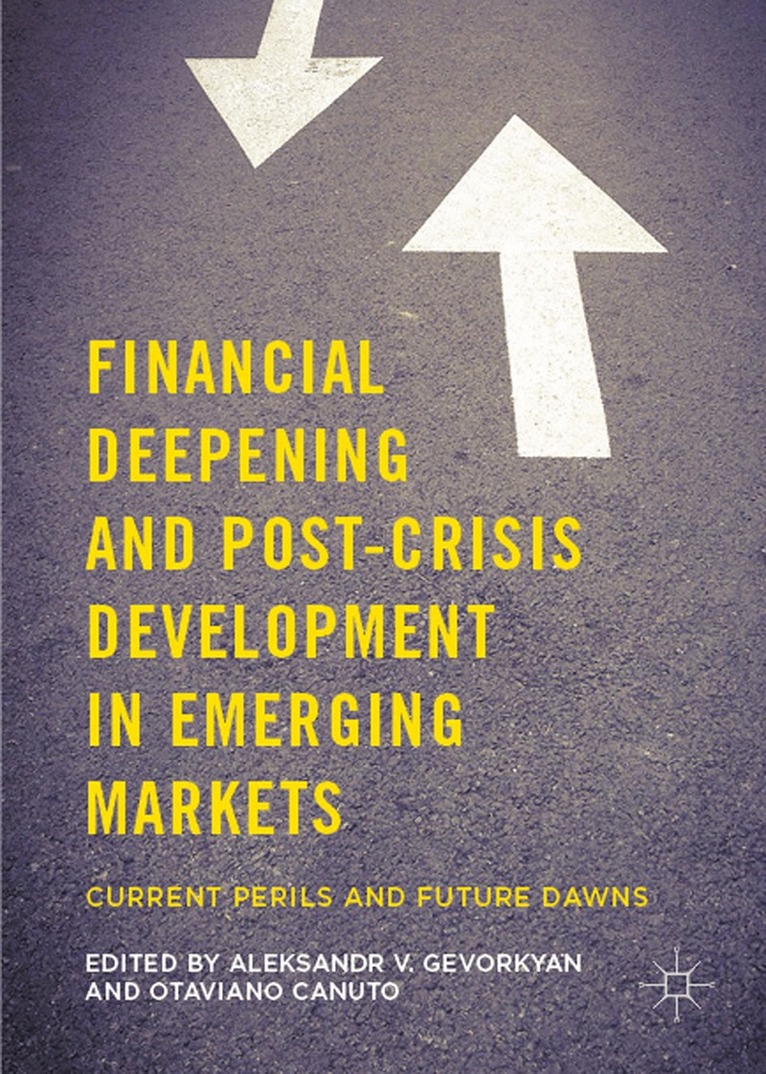
Financial Deepening and Post-Crisis Development in Emerging Markets
Current Perils and Future Dawns
Inbunden, Engelska, 2016
1 422 kr
Skickas inom 10-15 vardagar
This collection empirically and conceptually advances our understanding of the intricacies of emerging markets’ financial and macroeconomic development in the post-2008 crisis context.
226 kr
Skickas inom 10-15 vardagar
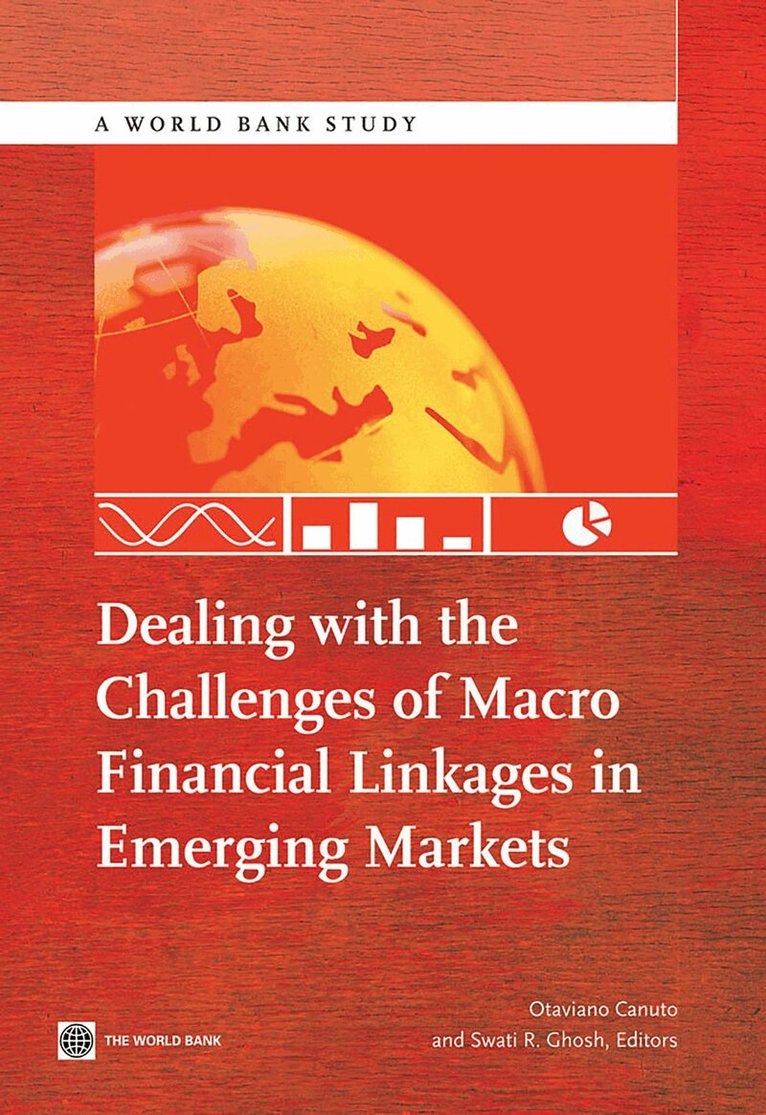
The 2008 financial crisis has highlighted the challenges associated with global financial integration and emphasized the importance of macro financial linkages. In the financial sector, attention is being directed toward macro prudential regulations that are geared toward the stability of the financial system as a whole. The Third Basel Accord (Basel III) aims to dampen the pro-cyclicality of the financial sector and to reduce cross sectional systemic risks partly by introducing measures to address liquidity and issues of banks being too big to fail. In the macro arena, the facts that price stability was not sufficient to guarantee macroeconomic stability and that financial imbalances developed despite low inflation and small output gaps have highlighted the need for additional tools (macro prudential policies) to complement monetary policy in countercyclical management. Emerging markets face different conditions and have key structural features that can have a bearing on the relevance and efficacy of the measures. The chapters in this volume discuss the challenges of dealing with macro financial linkages and explore the policy toolkit available for dealing with systemic risks with particular reference to emerging markets. This report is organized as follows: chapter one is adapting macro prudential approaches to emerging and developing economies; chapter two is adapting micro prudential regulation for emerging markets; chapter three presents capital flow volatility and systemic risk in emerging markets: the policy toolkit; chapter four presents monetary policy and macro prudential regulation: whither emerging markets; chapter five deals with macro prudential policies to mitigate financial vulnerabilities in emerging markets; chapter six presents sailing through the global financial storm; and chapter seven presents operation of macro prudential policy measures.