P.A. Baeuerle – författare
Visar alla böcker från författaren P.A. Baeuerle. Handla med fri frakt och snabb leverans.
2 produkter
2 produkter
550 kr
Skickas inom 10-15 vardagar
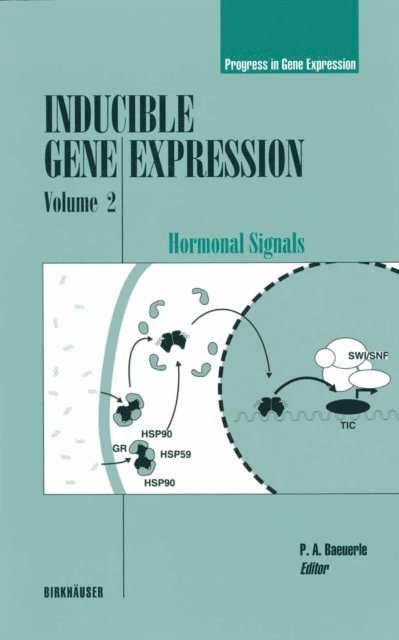
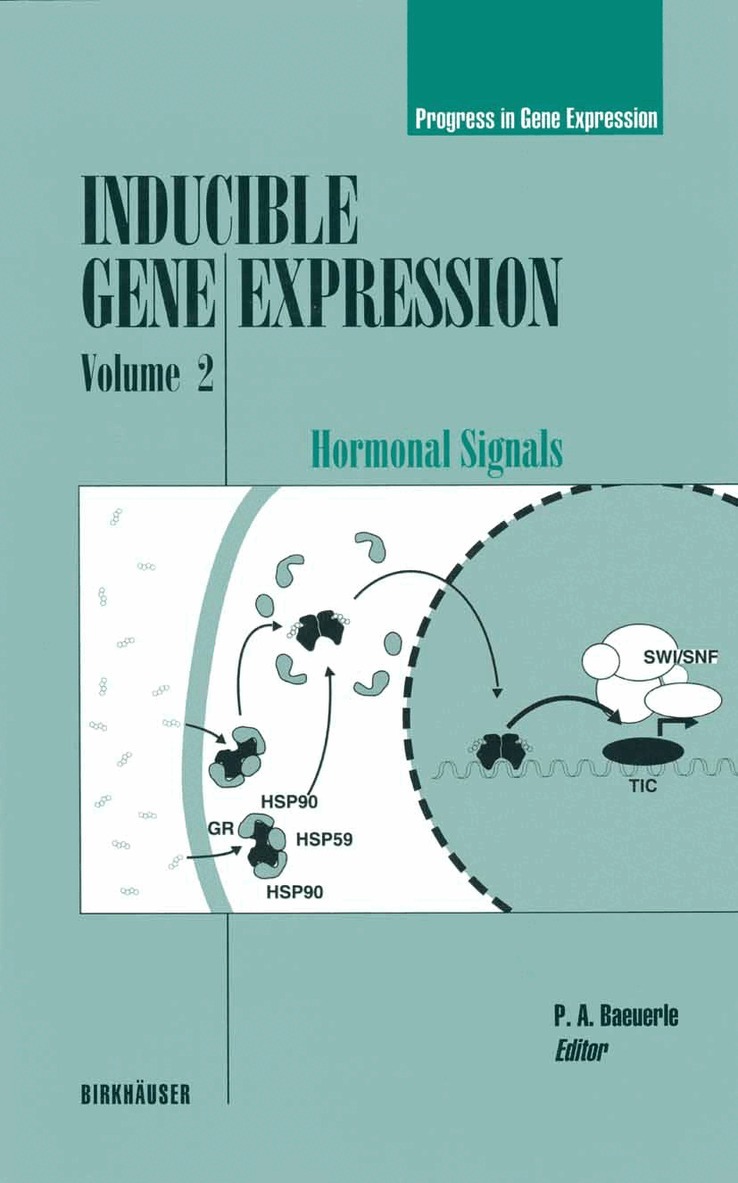
Cells have evolved multiple strategies to adapt the composItIon and quality of their protein equipment to needs imposed by changing conditions within the organism. Extracellular stimuli that inform cells about such needs are hormones, cytokines and neurotransmitters, which bind to specific cell surface receptors. Inside the cell, secondary signals are then produced which, ultimately, initiate the expression of proteins giving novel functional properties to the stimulated cells. This process can be controlled at a transcriptional, posttranscriptional, translational or posttranslational level. Extensive research over the past fifteen years has shown that transcriptional regulation is probably the most impor- tant strategy used to control the production of new proteins in response to hormonal signals. At the level of gene transcription, the initiation of mRNA synthesis is most frequently used to govern gene expression. The key elements controlling transcription initiation in eukaryotes are acti- vator proteins (transactivators) that bind in a sequence-specific manner to short DNA sequences in the proximity of genes.The activator binding sites are elements oflarger control units, called promoters and enhancers, which bind many distinct proteins that may synergize or negatively cooperative with the activators. The de novo binding of an activator to DNA or, if already bound to DNA, its functional activation is what ultimately turns on a high-level expression of genes. In this second volume of Inducible Gene Expression, leading scientists in the field review eight eukaryotic transactivators that allow cells to respond to hormonal stimuli by the expression of new proteins.
876 kr
Skickas inom 10-15 vardagar
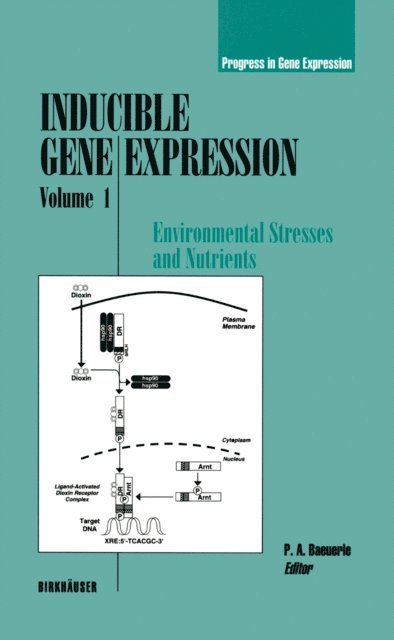
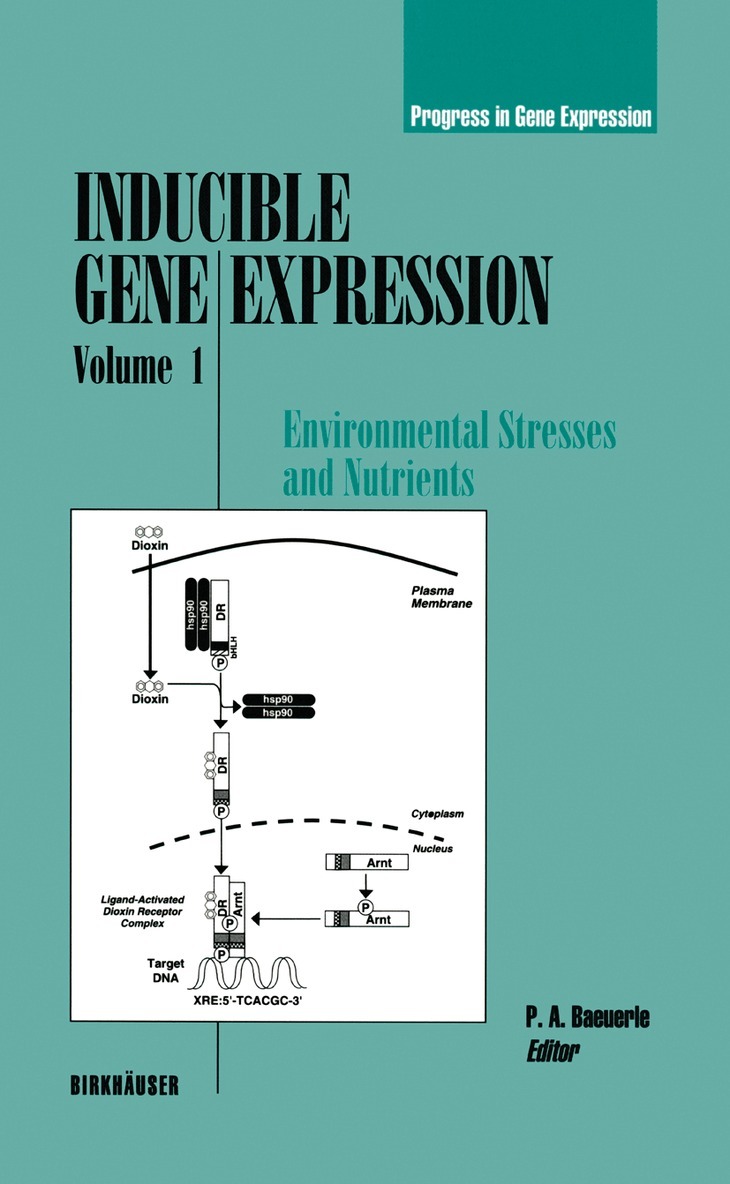
Cells have evolved multiple strategies to adapt the composition and quality of their protein equipment to needs imposed by changes in intra- and extracellular conditions. The appearance of pro teins transmit ting novel functional properties to cells can be controlled at a transcrip tional, posttranscriptional, translational or posttranslational level. Extensive research over the past 15 years has shown that transcriptional regulation is used as the predominant strategy to control the production of new proteins in response to extracellular stimuli. At the level of gene transcription, the initiation ofmRNA synthesis is used most frequently to govern gene expression. The key elements controlling transcription initiation in eukaryotes are activator proteins (transactivators) that bind in a sequence-specific manner to short DNA sequences in the of genes. The activator binding sites are elements of larger proximity control units, ca lied promoters and enhancers, which bind many distinct proteins. These may synergize or negatively cooperate with the activators. The do novo binding of an activator to DNA or, if already bound to DNA, its functional activation is what ultimately turns on a high-level expression of genes. The activity of transactivators is controlled by signalling pathways and, in some cases, transactivators actively partici pate in signal transduction by moving from the cytoplasm into the nuc1eus. In this first volume of Inducible Gene Expression, leading scientists in the field review six eukaryotic transactivators that allow cells to respond to various extracellular stimuli by the expression of new proteins.