Pablo Ortiz-T. – författare
Visar alla böcker från författaren Pablo Ortiz-T.. Handla med fri frakt och snabb leverans.
3 produkter
3 produkter
Inbunden, Engelska, 2023
1 212 kr
Skickas inom 5-8 vardagar
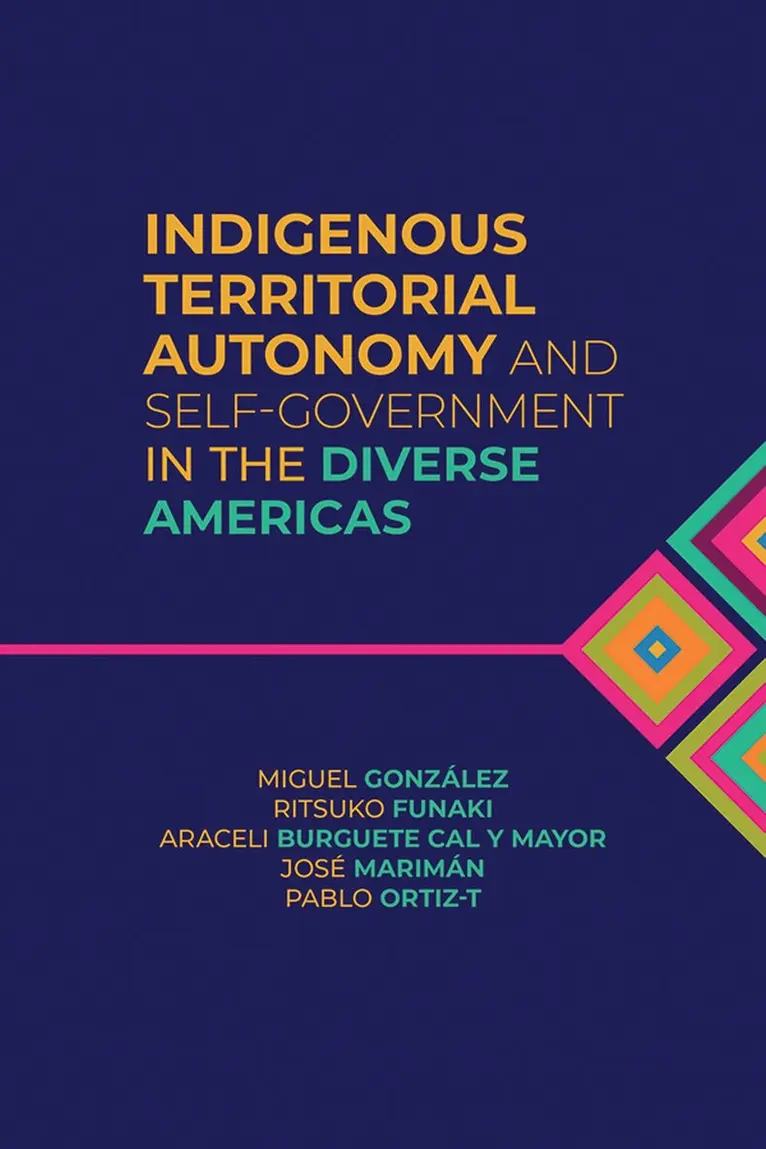
Across the Americas, Indigenous and Afro-descendent peoples have demanded autonomy, self-determination, and self-governance. By exerting their collective rights, they have engaged with domestic and international standards on the rights of Indigenous Peoples, implemented full-fledged mechanisms for autonomous governance, and promoted political and constitutional reform aimed at expanding understandings of multicultural citizenship and the plurinational state. Yet these achievements come in conflict with national governments’ adoption of neoliberal economic and neo-extractive policies which advance their interests over those of Indigenous communities.Available for the first time in English, Indigenous Territorial Autonomy and Self-Government in the Diverse Americas explores current and historical struggles for autonomy within ancestral territories, experiences of self-governance in operation, and presents an overview of achievements, challenges, and threats across three decades. Case studies across Bolivia, Chile, Nicaragua, Peru, Colombia, Mexico, Panama, Ecuador, and Canada provide a detailed discussion of autonomy and self-governance in development and in practice.Paying special attention to the role of Indigenous peoples’ organizations and activism in pursuing sociopolitical transformation, securing rights, and confronting multiple dynamics of dispossession, this book engages with current debates on Indigenous politics, relationships with national governments and economies, and the multicultural and plurinational state. This book will spark critical reflection on political experience and further exploration of the possibilities of the self-determination of peoples through territorial autonomies.
Häftad, Engelska, 2023
637 kr
Skickas inom 5-8 vardagar
Across the Americas, Indigenous and Afro-descendent peoples have demanded autonomy, self-determination, and self-governance. By exerting their collective rights, they have engaged with domestic and international standards on the rights of Indigenous Peoples, implemented full-fledged mechanisms for autonomous governance, and promoted political and constitutional reform aimed at expanding understandings of multicultural citizenship and the plurinational state. Yet these achievements come in conflict with national governments' adoption of neoliberal economic and neo-extractive policies which advance their interests over those of Indigenous communities.Available for the first time in English, Indigenous Territorial Autonomy and Self-Government in the Diverse Americas explores current and historical struggles for autonomy within ancestral territories, experiences of self-governance in operation, and presents an overview of achievements, challenges, and threats across three decades. Case studies across Bolivia, Chile, Nicaragua, Peru, Colombia, Mexico, Panama, Ecuador, and Canada provide a detailed discussion of autonomy and self-governance in development and in practice.Paying special attention to the role of Indigenous peoples' organizations and activism in pursuing sociopolitical transformation, securing rights, and confronting multiple dynamics of dispossession, this book engages with current debates on Indigenous politics, relationships with national governments and economies, and the multicultural and plurinational state. This book will spark critical reflection on political experience and further exploration of the possibilities of the self-determination of peoples through territorial autonomies.
E-bok
PDF, Spanska, 2021248 kr
Läs direkt efter köp
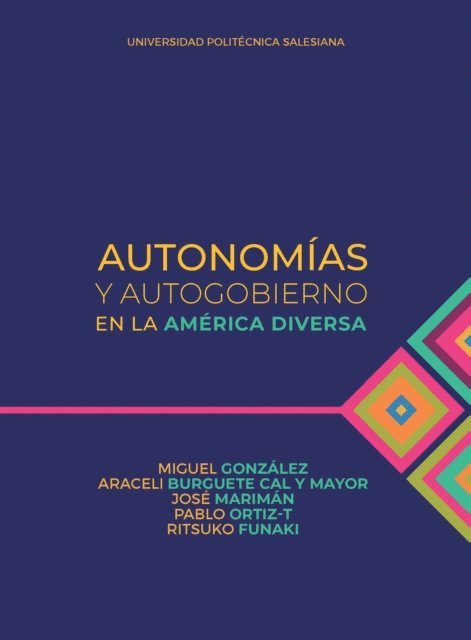
Los activismos globales de los pueblos indígenas y afrodescendientes han puesto en la arena de los debates el reclamo de autodeterminación, autonomía y autogobierno, logrando avances relevantes en las normas internacionales. Sin embargo, estos logros se enfrentan a políticas y realidades de los gobiernos nacionales y los intereses económicos de todo tipo en sus países, que los amenazan y pretenden profundizar el despojo.En este libro concebimos a la autonomía como una variedad de prácticas, procesos y mecanismos de auto-gobernanza a través de los cuales se expresan y se dotan de sentido los derechos inherentes y aspiraciones soberanas de los pueblos indígenas y afrodescendientes alrededor del mundo. El derecho a la libre determinación es una parte consustancial de la vida sociopolítica contemporánea y, su ejercicio en sus territorios es hoy, probablemente, uno de los únicos caminos para la persistencia de la vida en el planeta.Las contribuciones que integran este volumen, muchas de ellas de autoría indígena, colocan debates que abordan esos desafíos y enlazan las voces ancestrales con las luchas de hoy y la defensa del futuro.