Pär Zetterberg - Böcker
Visar alla böcker från författaren Pär Zetterberg. Handla med fri frakt och snabb leverans.
6 produkter
6 produkter
455 kr
Kommande
Why autocratic leaders have adopted gender-equality reforms as a way to legitimize their ruleAuthoritarian governments are often seen as attacking gender equality. Vladimir Putin, Viktor Orbán, and Recep Tayyip Erdoğan have made well-publicized critiques of feminism. But, as Elin Bjarnegård and Pär Zetterberg show in this book, autocratic regimes are also actively adopting gender-equality reforms, surpassing some democracies in their embrace of such policies. Why have leaders of countries known for violating human rights become unlikely champions of gender equality? Bjarnegård and Zetterberg argue that gender serves as a versatile tool for autocrats seeking to legitimize their rule, deflecting attention from authoritarian practices by promoting policies that seem liberal and even democratic. They call this strategy of political misdirection autocratic genderwashing.Drawing on data from authoritarian governments in countries including Rwanda, Nicaragua, Singapore, and Uganda, Bjarnegård and Zetterberg show how gender equality policies interact with noncoercive authoritarian strategies to claim legitimacy for autocratic rule. They describe autocratic genderwashing as political theater, shining a spotlight on specific reforms and accomplishments—domestic violence legislation, increased numbers of women in parliament, the creation of women’s policy agencies—while leaving authoritarian practices in the dark. Considering the question of whether autocratic genderwashing is successful as a legitimation strategy, Bjarnegård and Zetterberg find that it is more convincing to international audiences than to domestic ones.
1 542 kr
Kommande
Why autocratic leaders have adopted gender-equality reforms as a way to legitimize their ruleAuthoritarian governments are often seen as attacking gender equality. Vladimir Putin, Viktor Orbán, and Recep Tayyip Erdoğan have made well-publicized critiques of feminism. But, as Elin Bjarnegård and Pär Zetterberg show in this book, autocratic regimes are also actively adopting gender-equality reforms, surpassing some democracies in their embrace of such policies. Why have leaders of countries known for violating human rights become unlikely champions of gender equality? Bjarnegård and Zetterberg argue that gender serves as a versatile tool for autocrats seeking to legitimize their rule, deflecting attention from authoritarian practices by promoting policies that seem liberal and even democratic. They call this strategy of political misdirection autocratic genderwashing.Drawing on data from authoritarian governments in countries including Rwanda, Nicaragua, Singapore, and Uganda, Bjarnegård and Zetterberg show how gender equality policies interact with noncoercive authoritarian strategies to claim legitimacy for autocratic rule. They describe autocratic genderwashing as political theater, shining a spotlight on specific reforms and accomplishments—domestic violence legislation, increased numbers of women in parliament, the creation of women’s policy agencies—while leaving authoritarian practices in the dark. Considering the question of whether autocratic genderwashing is successful as a legitimation strategy, Bjarnegård and Zetterberg find that it is more convincing to international audiences than to domestic ones.
695 kr
Skickas inom 10-15 vardagar
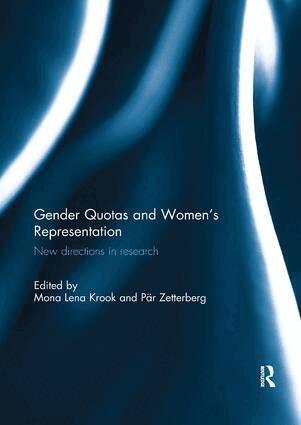
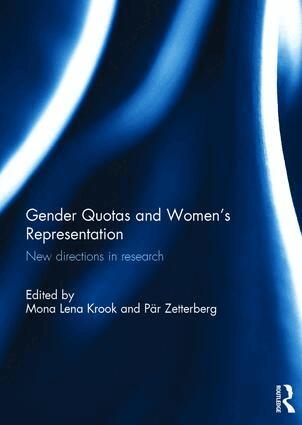
Electoral gender quotas have emerged as one of the most critical political reforms of the last two decades, having now been introduced in more than 130 countries worldwide. The recent and global nature of these developments has sparked both scholarly and popular interest in the in which these quotas are designed, as well as their origins and effects. This volume seeks to expand these existing agendas to forge new directions in research on gender quotas and political representation. The topics considered include new paths to adoption, as well as – in the wake of quota introduction – changes in the dynamics of candidate selection, the status and role of women in legislative institutions, and the impact that women have on policy-making. Expanding the scope of quota studies, the contributions also address trends in different political parties and different levels of government, the effectiveness of quotas in democratic and non-democratic settings, and whether there might be non-quota mechanisms that could be pursued together with, or in lieu of, gender quotas in order to increase women’s political representation. This book was originally published as a special issue of Representation.
2 167 kr
Skickas inom 10-15 vardagar
Electoral gender quotas have emerged as one of the most critical political reforms of the last two decades, having now been introduced in more than 130 countries worldwide. The recent and global nature of these developments has sparked both scholarly and popular interest in the in which these quotas are designed, as well as their origins and effects. This volume seeks to expand these existing agendas to forge new directions in research on gender quotas and political representation. The topics considered include new paths to adoption, as well as – in the wake of quota introduction – changes in the dynamics of candidate selection, the status and role of women in legislative institutions, and the impact that women have on policy-making. Expanding the scope of quota studies, the contributions also address trends in different political parties and different levels of government, the effectiveness of quotas in democratic and non-democratic settings, and whether there might be non-quota mechanisms that could be pursued together with, or in lieu of, gender quotas in order to increase women’s political representation. This book was originally published as a special issue of Representation.
1 212 kr
Skickas inom 7-10 vardagar
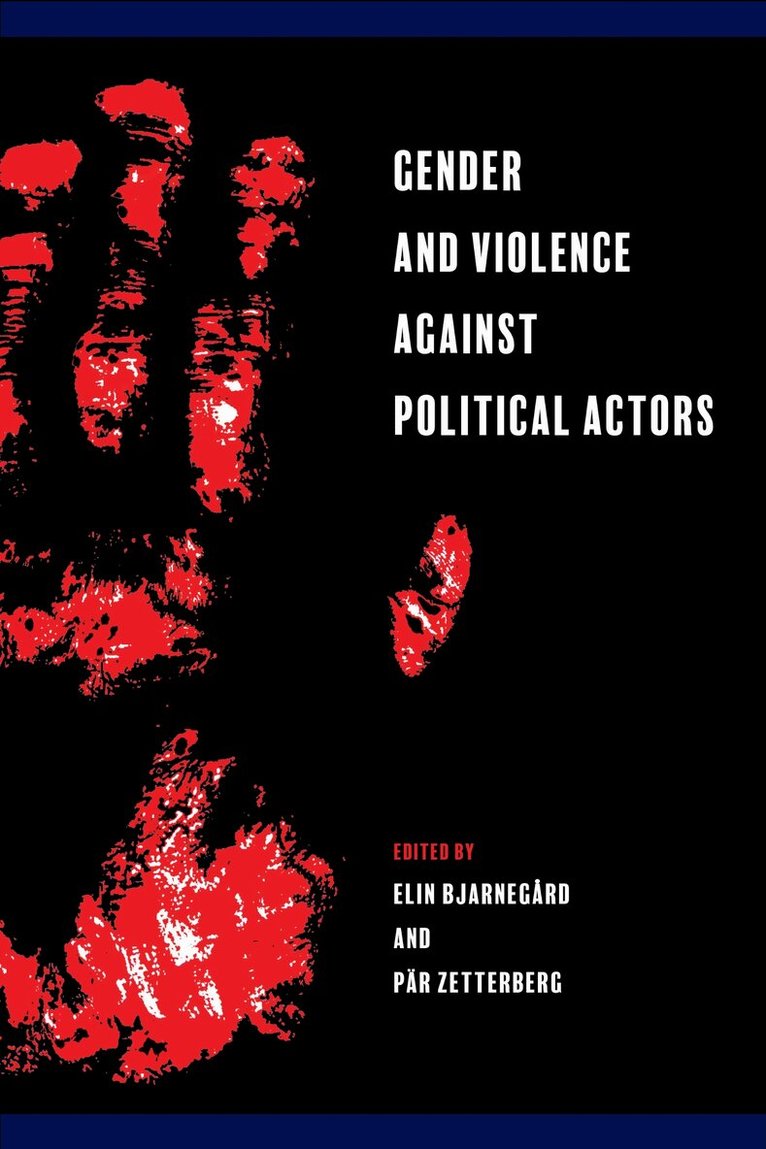
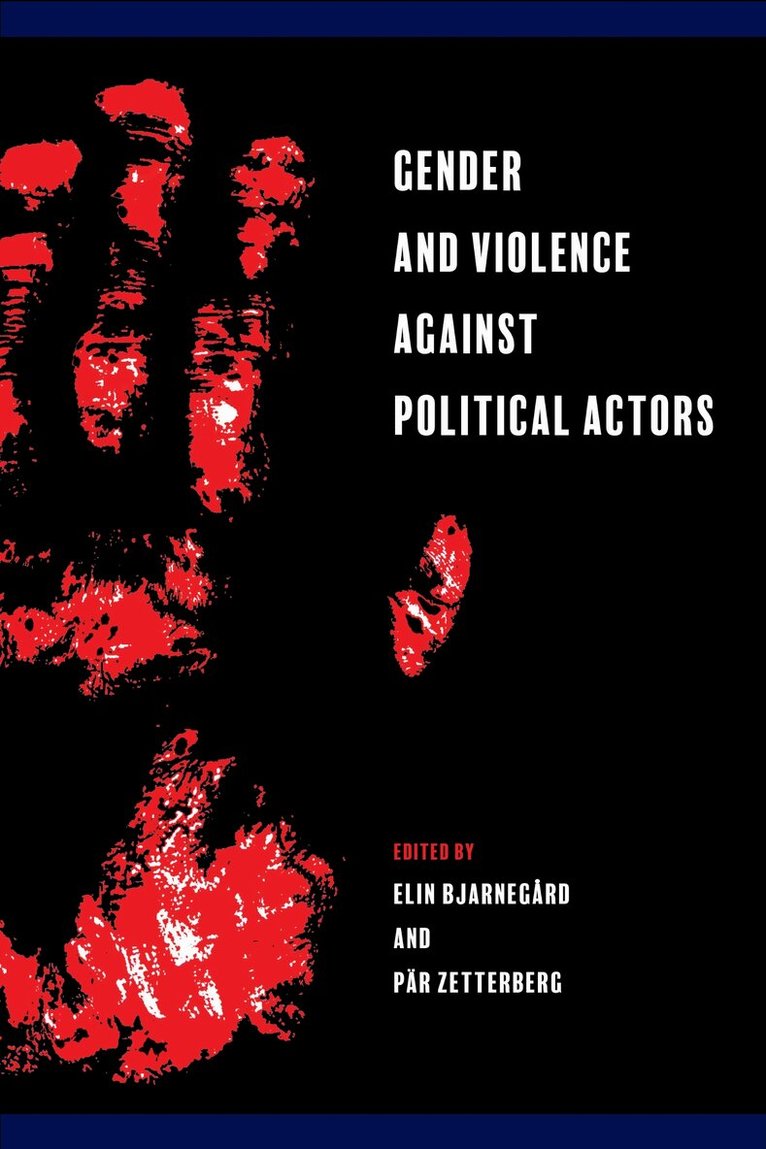
There has been an increase in testimonies from women politicians who have been targets of violence and from survivors of conflict-related sexual violence. The editors and contributors to of Gender and Violence against Political Actors seek to understand how gender influences both physical and psychological forms of violence and how sexual violence affects both men and women.Chapters focus on theoretical approaches demonstrating how different disciplinary starting points-e.g., politics, violence and gender-give rise to different lenses. Essays examine violence carried out during conflict and peacetime, and relate to the continuum of violence-physical, sexual, psychological, and online. In addition, six country case studies reveal how different types of political actors have been targets of violence. Gender and Violence against Political Actors ends by providing various approaches to responding to the problem of gendered violence in politics while also evaluating policy responses. Contributors: Kerryn Baker, Julie Ballington, Gabrielle Bardall, Gabriella Borovsky, Cheryl N. Collier, Sofia Collignon, Maria Eriksson Baaz, Eleonora Esposito, Nicole Haley, Rebekah Herrick, Sandra HÅkansson, Roudabeh Kishi, Anne-Kathrin Kreft, Mona Lena Krook, Rebecca Kuperberg, Robert U. Nagel, Louise Olsson, Jennifer M. Piscopo, Tracey Raney, Juliana Restrepo SanÍn, Paige Schneider, Maria Stern, Sue Thomas, and the editors
413 kr
Skickas inom 7-10 vardagar
There has been an increase in testimonies from women politicians who have been targets of violence and from survivors of conflict-related sexual violence. The editors and contributors to of Gender and Violence against Political Actors seek to understand how gender influences both physical and psychological forms of violence and how sexual violence affects both men and women.Chapters focus on theoretical approaches demonstrating how different disciplinary starting points-e.g., politics, violence and gender-give rise to different lenses. Essays examine violence carried out during conflict and peacetime, and relate to the continuum of violence-physical, sexual, psychological, and online. In addition, six country case studies reveal how different types of political actors have been targets of violence. Gender and Violence against Political Actors ends by providing various approaches to responding to the problem of gendered violence in politics while also evaluating policy responses. Contributors: Kerryn Baker, Julie Ballington, Gabrielle Bardall, Gabriella Borovsky, Cheryl N. Collier, Sofia Collignon, Maria Eriksson Baaz, Eleonora Esposito, Nicole Haley, Rebekah Herrick, Sandra HÅkansson, Roudabeh Kishi, Anne-Kathrin Kreft, Mona Lena Krook, Rebecca Kuperberg, Robert U. Nagel, Louise Olsson, Jennifer M. Piscopo, Tracey Raney, Juliana Restrepo SanÍn, Paige Schneider, Maria Stern, Sue Thomas, and the editors