Paolo Pizzolo – författare
Visar alla böcker från författaren Paolo Pizzolo. Handla med fri frakt och snabb leverans.
4 produkter
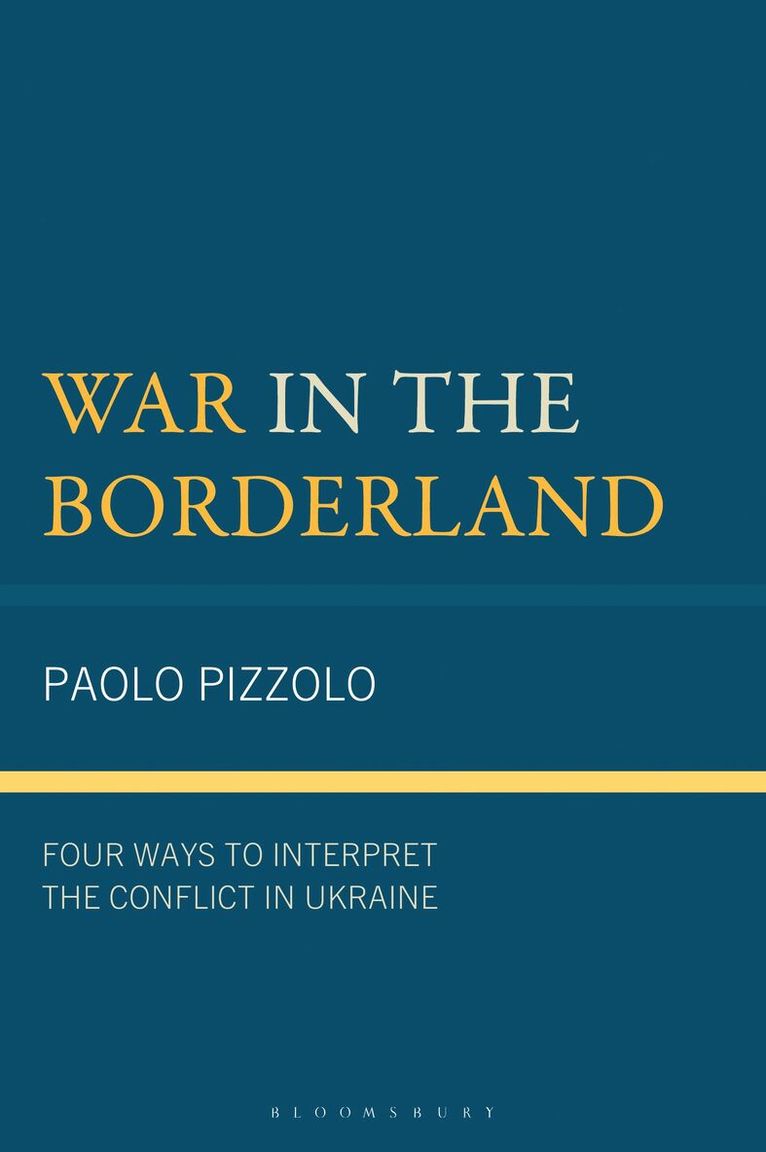
War in the Borderland
Four Ways to Interpret the Conflict in Ukraine
Av Paolo Pizzolo, Michael O. Slobodchikoff
Inbunden, 2026
1278 kr
Lägg i varukorg
The 2022 Russian invasion of Ukraine represents for Putin what the crossing of the Rubicon represented for Julius Caesar in 49 BC. After making this decision, Moscow can never go back. With this critical choice, one of the most significant since the end of World War II, Russia has decided to …
War in the Borderland
Four Ways to Interpret the Conflict in Ukraine
Häftad, 2027
412 kr
Kommande
The 2022 Russian invasion of Ukraine represents for Putin what the crossing of the Rubicon represented for Julius Caesar in 49 BC. After making this decision, Moscow can never go back. With this critical choice, one of the most significant since the end of World War II, Russia has decided to …
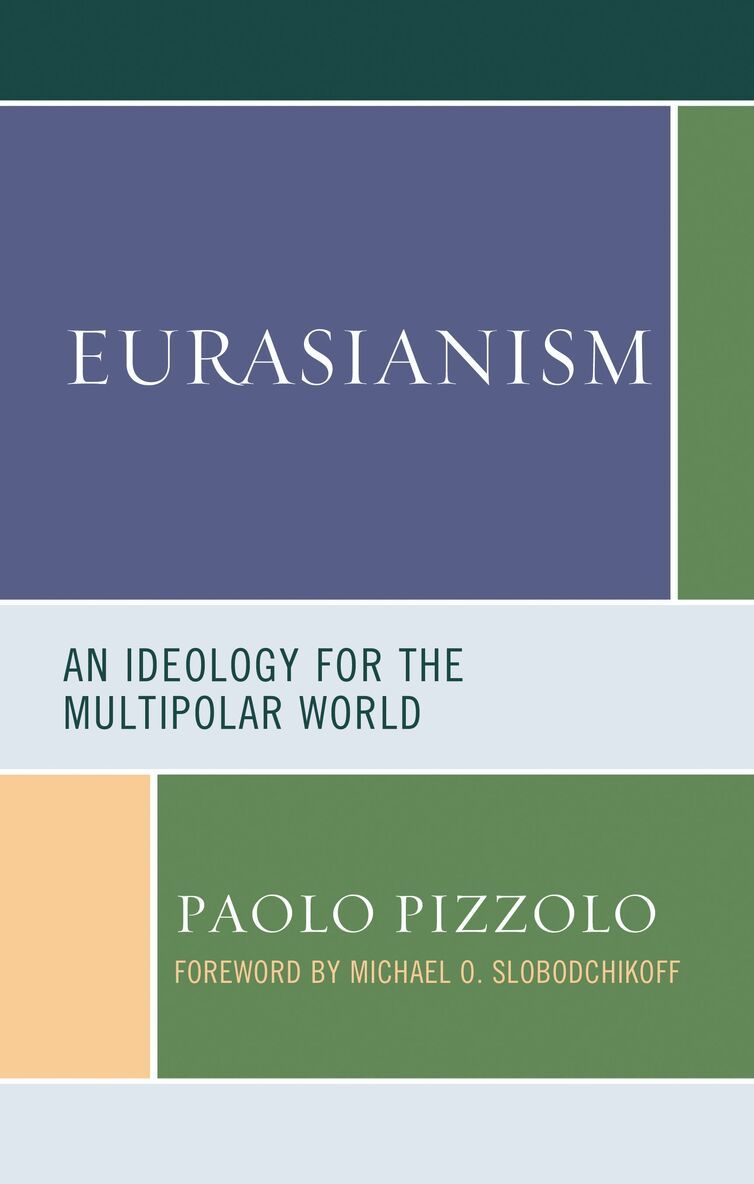
Eurasianism
An Ideology for the Multipolar World
Häftad, 2022
337 kr
Lägg i varukorg
Eurasianism: An Ideology for the Multipolar World investigates the ideology of Eurasianism, a political doctrine that founds its principles on geopolitics and conservatism. Specifically, the book examines neo-Eurasianist thought and its implications for the international system. After collocating …
War in the Borderland
Four Ways to Interpret the Conflict in Ukraine
E-bok, 2025
1403 kr
Lägg i varukorg
The 2022 Russian invasion of Ukraine represents for Putin what the crossing of the Rubicon represented for Julius Caesar in 49 BC. After making this decision, Moscow can never go back. With this critical choice, one of the most significant since the end of World War II, Russia has decided to …