Patrick Bresnihan – författare
Visar alla böcker från författaren Patrick Bresnihan. Handla med fri frakt och snabb leverans.
9 produkter
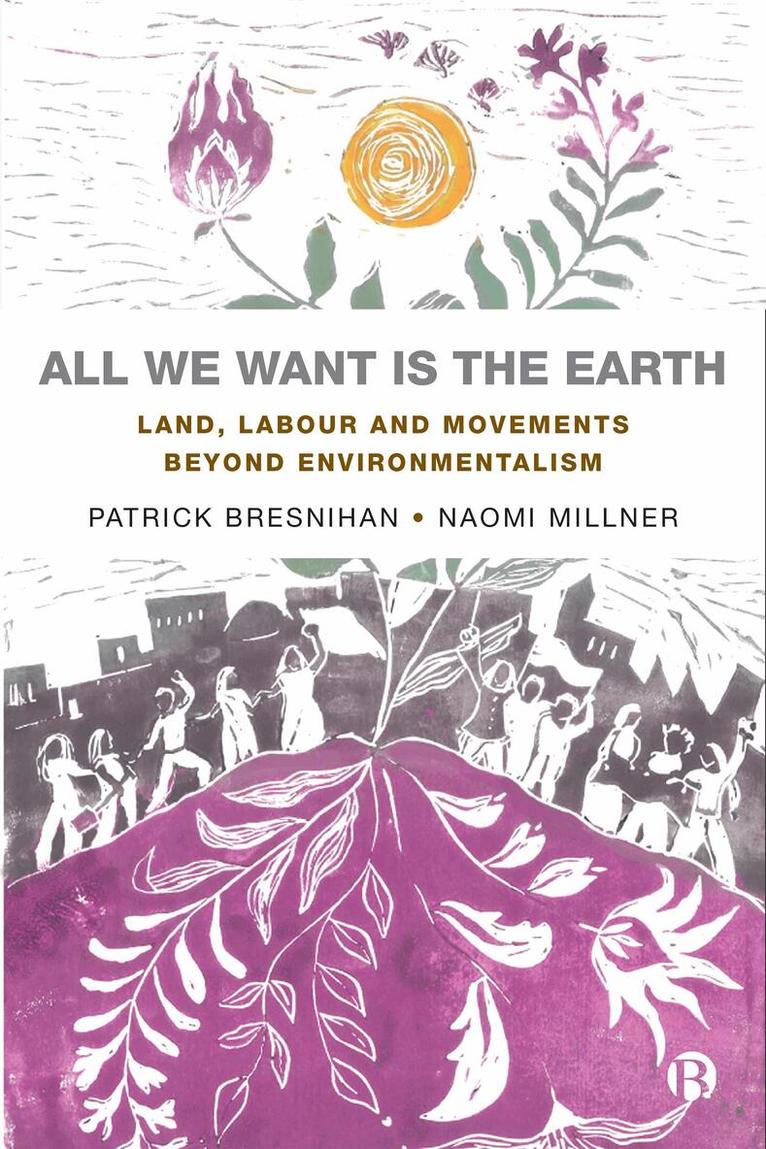
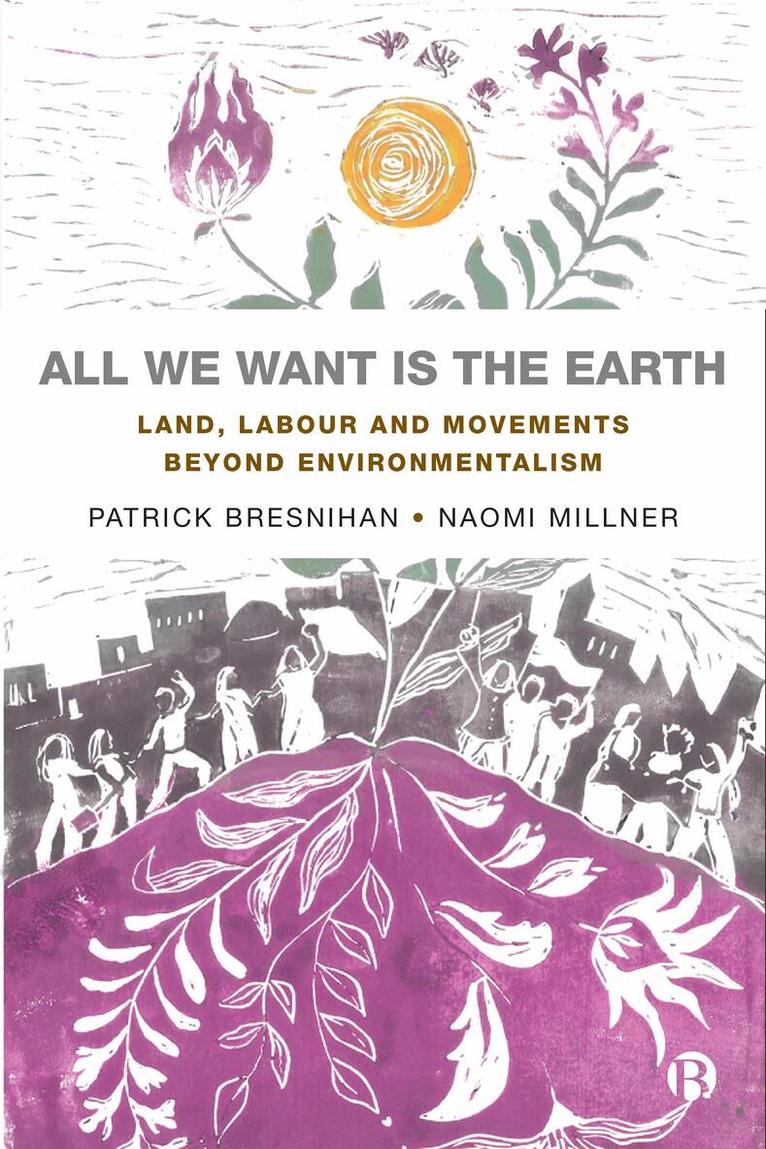
All We Want is the Earth
Land, Labour and Movements Beyond Environmentalism
Av Patrick Bresnihan, Naomi Millner
Häftad, 2023
298 kr
Lägg i varukorg
Sixty years ago, an upsurge of social movements protested the ecological harms of industrial capitalism. In subsequent decades, environmentalism consolidated into forms of management and business strategy that aimed to tackle ecological degradation while enabling new forms of green economic growth. …
Transforming the Fisheries
Neoliberalism, Nature, and the Commons
Inbunden, 2016
517 kr
Lägg i varukorg
There is now widespread agreement that fish stocks are severely depleted and fishing activity must be limited. At the same time, the promise of the green economy appears to offer profitable new opportunities for a sustainable seafood industry. What do these seemingly contradictory ideas of natural …
Transforming the Fisheries
Neoliberalism, Nature, and the Commons
E-bok, 2016
250 kr
Lägg i varukorg
There is now widespread agreement that fish stocks are severely depleted and fishing activity must be limited. At the same time, the promise of the green economy appears to offer profitable new opportunities for a sustainable seafood industry. What do these seemingly contradictory ideas of natural …
Transforming the Fisheries
Neoliberalism, Nature, and the Commons
Häftad, 2018
276 kr
Lägg i varukorg
There is now widespread agreement that fish stocks are severely depleted and fishing activity must be limited. At the same time, the promise of the green economy appears to offer profitable new opportunities for a sustainable seafood industry. What do these seemingly contradictory ideas of natural …
All We Want is the Earth
Land, Labour and Movements Beyond Environmentalism
Av Patrick Bresnihan, Naomi Millner
Inbunden, 2023
1187 kr
Lägg i varukorg
Sixty years ago, an upsurge of social movements protested the ecological harms of industrial capitalism. In subsequent decades, environmentalism consolidated into forms of management and business strategy that aimed to tackle ecological degradation while enabling new forms of green economic growth. …
All We Want is the Earth
Land, Labour and Movements Beyond Environmentalism
Av Naomi Millner, Patrick Bresnihan
E-bok, 2023
326 kr
Lägg i varukorg
Sixty years ago, an upsurge of social movements protested the ecological harms of industrial capitalism. In subsequent decades, environmentalism consolidated into forms of management and business strategy that aimed to tackle ecological degradation while enabling new forms of green economic growth. …
All We Want is the Earth
Land, Labour and Movements Beyond Environmentalism
Av Naomi Millner, Patrick Bresnihan
E-bok, 2023
1630 kr
Lägg i varukorg
Sixty years ago, an upsurge of social movements protested the ecological harms of industrial capitalism. In subsequent decades, environmentalism consolidated into forms of management and business strategy that aimed to tackle ecological degradation while enabling new forms of green economic growth. …
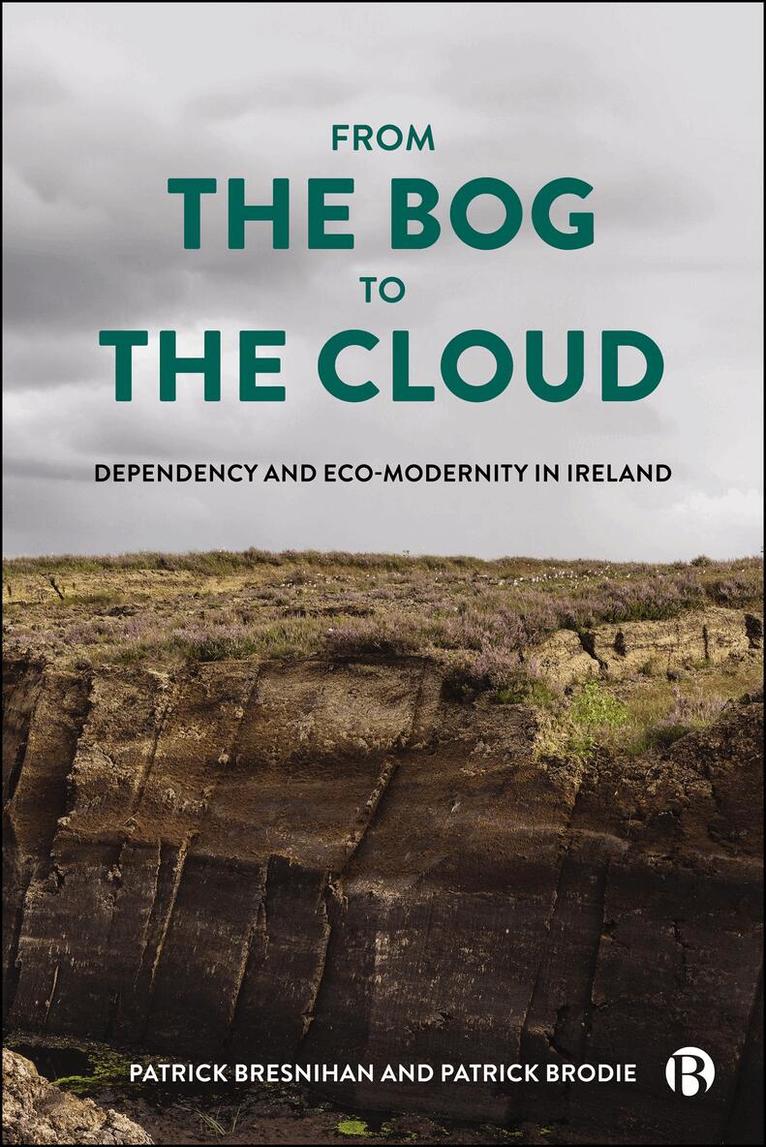
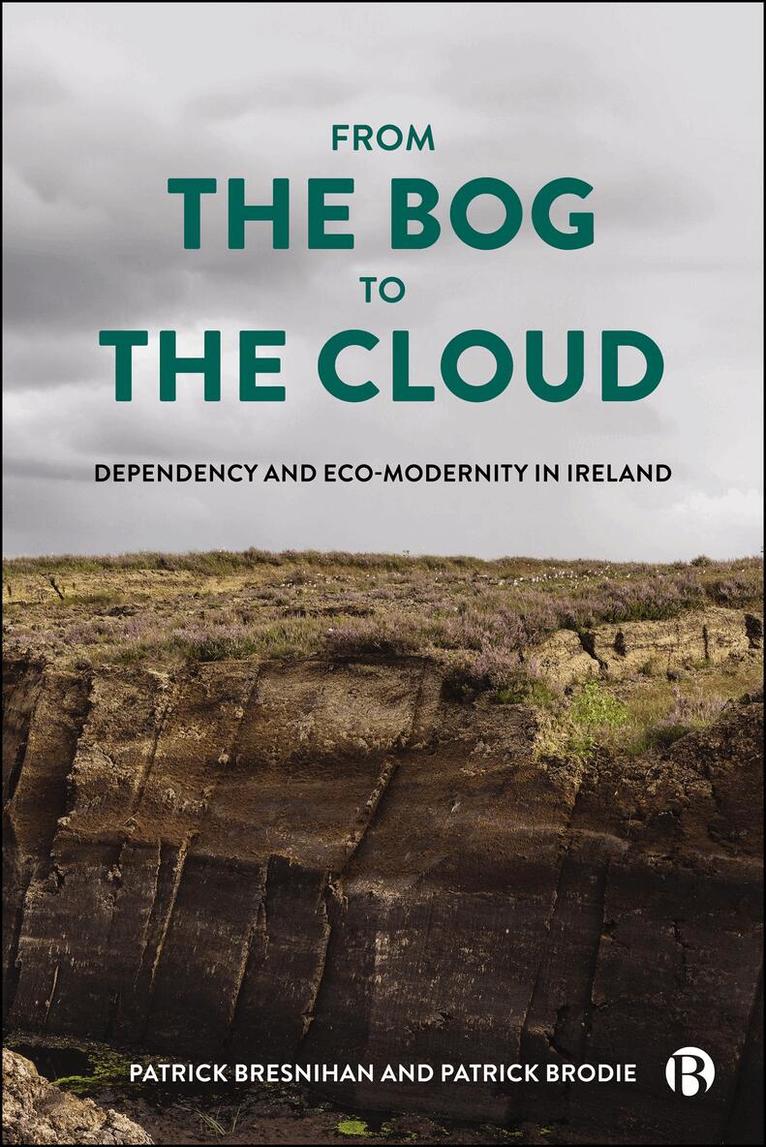
From the Bog to the Cloud
Dependency and Eco-Modernity in Ireland
Av Patrick Bresnihan, Patrick Brodie
Inbunden, 2025
1285 kr
Lägg i varukorg
The green digital transition is underway. But what does this transition look like when dictated by the energy and resource demands of monopoly tech? How has this situation come to be? And where is it being resisted?This provocative book uncovers the hidden intersections of land, resource extraction …
From the Bog to the Cloud
Dependency and Eco-Modernity in Ireland
Av Patrick Bresnihan, Patrick Brodie
Häftad, 2025
396 kr
Lägg i varukorg
The green digital transition is underway. But what does this transition look like when dictated by the energy and resource demands of monopoly tech? How has this situation come to be? And where is it being resisted?This provocative book uncovers the hidden intersections of land, resource extraction …