Patrick Chura - Böcker
Visar alla böcker från författaren Patrick Chura. Handla med fri frakt och snabb leverans.
7 produkter
7 produkter
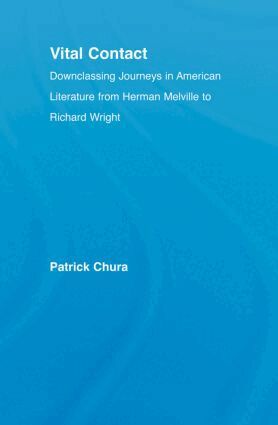
Vital Contact
Downclassing Journeys in American Literature from Melville to Richard Wright
Häftad, Engelska, 2013
840 kr
Skickas inom 10-15 vardagar
The book analyzes American literature about middle or upper class characters who voluntarily descend the class ranks to experience "vital contact" by living or associating, temporarily, with the poor. The motivations of these characters--and historical figures such as John Reed and Walter Wyckoff--range from straightforward bohemian slumming among the "exotics" to more complex and psychologically wrought investigations of cross-class empathy. The study begins by charting downclasing processes in works of canonical nineteenth-century authors, including Melville, Hawthorne, James, Howells and Jewett. It then undertakes an original analysis of John Reed's involvement with the 1913 Paterson silk workers' strike as a context for understanding Ernest Poole's (now forgotten, but then best-selling) fictionalization of the strike in his novel, The Harbor. In other richly historicized chapters, it analyzes distillations of class radicalism in several works by Upton Sinclair, in the early drama of Eugene O'Neill, and in feminist novels of the 1910s by Elia Peattie and Clara Laughlin. The concluding chapter looks at sophisticated treatments of "vital contact" in fiction of the 1930s by Dos Passos, Steinbeck and Richard Wright. The book provides Americanists with important new ways of thinking about various forms of class identification as they developed in the nineteenth and early twentieth centuries.
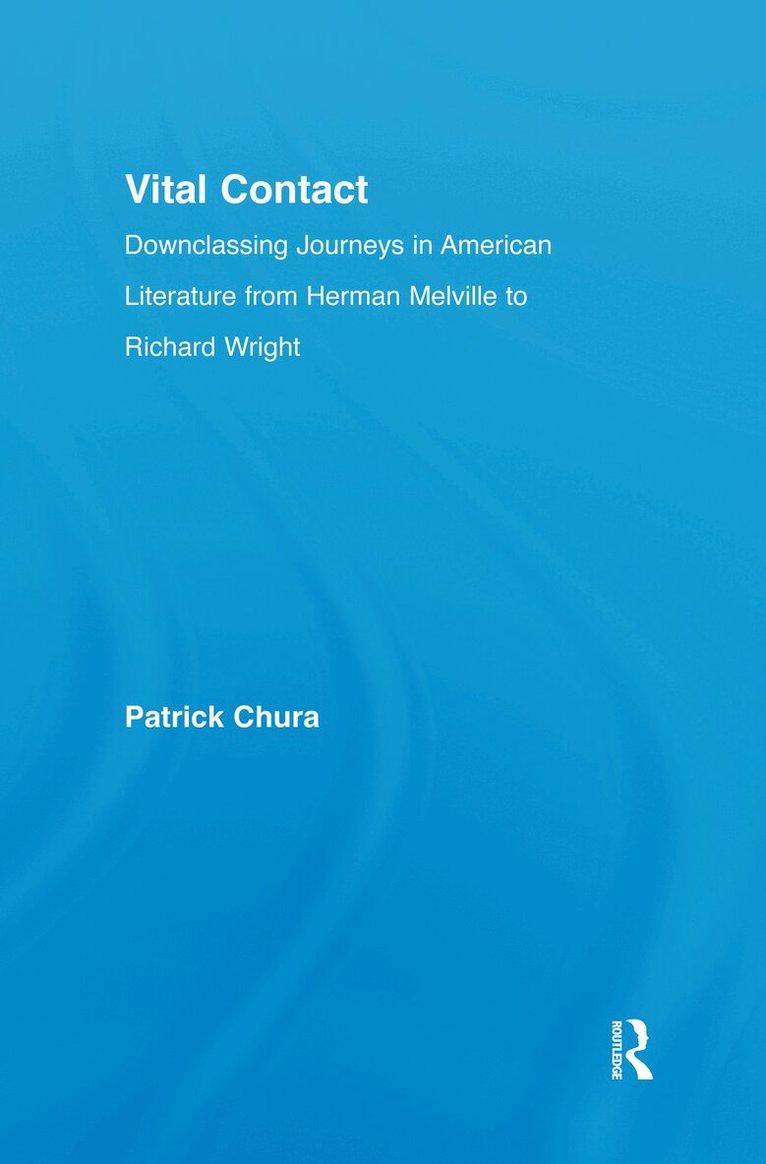
Vital Contact
Downclassing Journeys in American Literature from Melville to Richard Wright
Inbunden, Engelska, 2005
2 496 kr
Skickas inom 10-15 vardagar
The book analyzes American literature about middle or upper class characters who voluntarily descend the class ranks to experience vital contact by living or associating, temporarily, with the poor. The motivations of these characters--and historical figures such as John Reed and Walter Wyckoff--range from straightforward bohemian slumming among the exotics to more complex and psychologically wrought investigations of cross-class empathy. The study begins by charting downclasing processes in works of canonical nineteenth-century authors, including Melville, Hawthorne, James, Howells and Jewett. It then undertakes an original analysis of John Reed's involvement with the 1913 Paterson silk workers' strike as a context for understanding Ernest Poole's (now forgotten, but then best-selling) fictionalization of the strike in his novel, The Harbor . In other richly historicized chapters, it analyzes distillations of class radicalism in several works by Upton Sinclair, in the early drama of Eugene O'Neill, and in feminist novels of the 1910s by Elia Peattie and Clara Laughlin. The concluding chapter looks at sophisticated treatments of vital contact in fiction of the 1930s by Dos Passos, Steinbeck and Richard Wright. The book provides Americanists with important new ways of thinking about various forms of class identification as they developed in the nineteenth and early twentieth centuries.
221 kr
Skickas inom 10-15 vardagar
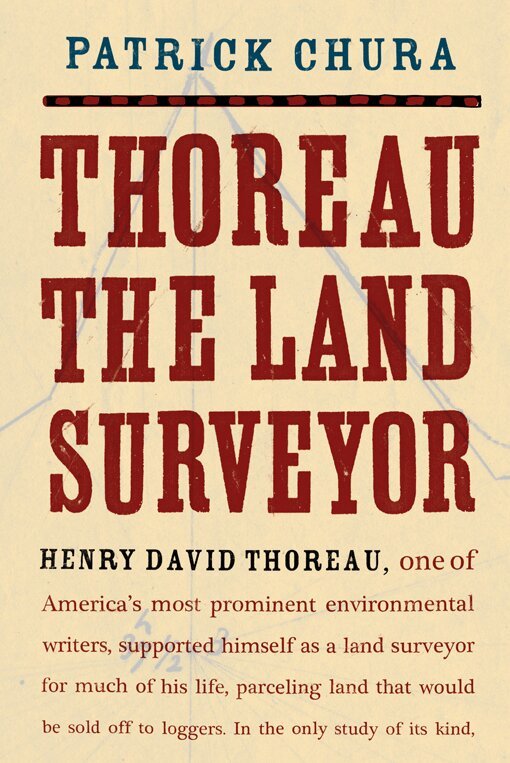
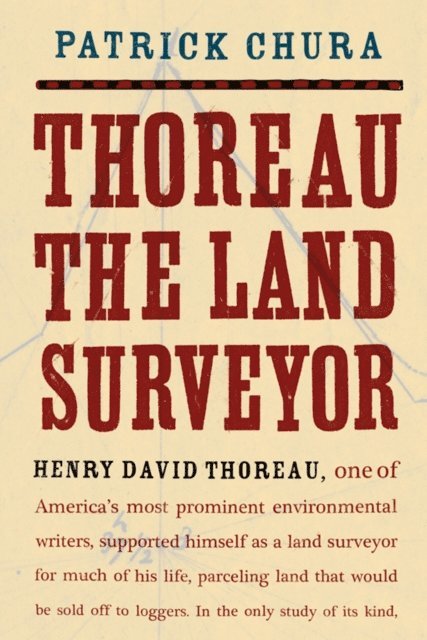
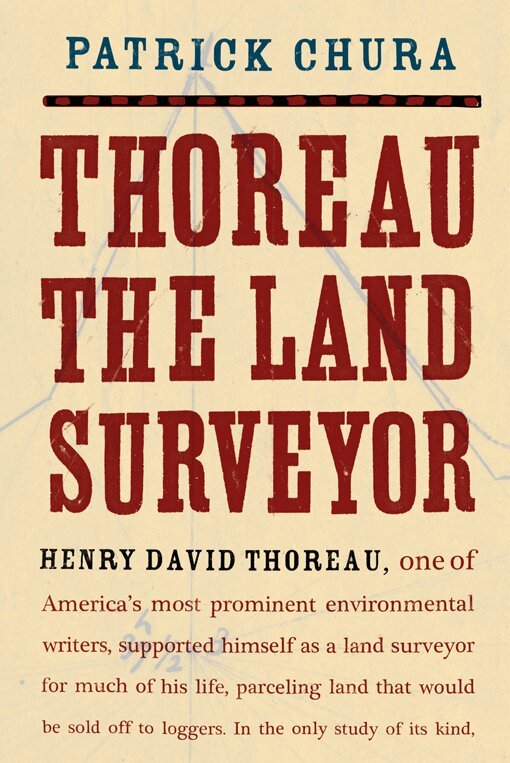
Henry David Thoreau, one of America’s most prominent environmental writers, supported himself as a land surveyor for much of his life, parcelling land that would be sold off to loggers. In the only study of its kind, Patrick Chura analyses this seeming contradiction to show how the best surveyor in Concord combined civil engineering with civil disobedience. Placing Thoreau's surveying in historical context, Thoreau the Land Surveyor explains the cultural and ideological implications of surveying work in the mid-nineteenth century. Chura explains the ways that Thoreau's environmentalist disposition and philosophical convictions asserted themselves even as he reduced the land to measurable terms and acted as an agent for bringing it under proprietary control. He also describes in detail Thoreau's 1846 survey of Walden Pond. By identifying the origins of Walden in--of all places--surveying data, Chura re-creates a previously lost supporting manuscript of this American classic.
1 545 kr
Skickas inom 3-6 vardagar
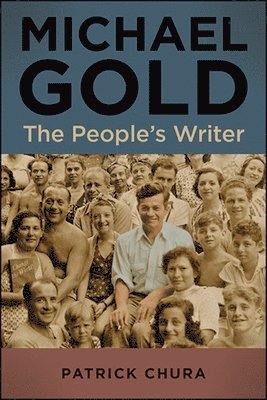
An authoritative biography of the dean of American proletarian writers during the interwar years.Winner of the 2022 Literary Encyclopedia Book Prize presented by the Literary Encyclopedia Winner of the 2022 Paul Cowan Non-Fiction Award presented by the Peace Corps Worldwide Jewish American Communist writer and cultural figure Michael Gold (1893–1967) was a key progressive author of his generation, yet today his work is too often forgotten. A novelist, essayist, playwright, poet, journalist, and editor, Gold was the leading advocate of leftist, proletarian literature in the United States between the two world wars. His acclaimed autobiographical novel Jews without Money (1930) is a vivid account of early twentieth-century immigrant life in the tenements of Manhattan's Lower East Side. In this authoritative biography, Patrick Chura traces Gold's story from his impoverished youth, through the period of his fame during the "red decade" of the 1930s, and into the McCarthy era, when he was blacklisted and forced to work menial jobs to support his family. In his time as a radical writer-activist, Gold courageously helped strikes, protested against war and fascism, worked for the Unemployed Councils, walked in hunger marches and May Day parades, got arrested in support of Sacco and Vanzetti, raised money for workers' cooperatives and leftist journalism, and demonstrated against nuclear weapons and in support of fair housing, the Rosenbergs, and civil rights. This biography welcomes Gold back into cultural conversations about art, literature, politics, social change, and Jewish American life in the twentieth century.
353 kr
Skickas inom 3-6 vardagar
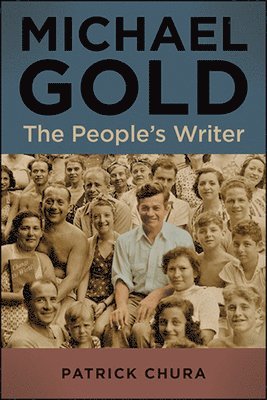
An authoritative biography of the dean of American proletarian writers during the interwar years.Winner of the 2022 Literary Encyclopedia Book Prize presented by the Literary Encyclopedia Winner of the 2022 Paul Cowan Non-Fiction Award presented by the Peace Corps Worldwide Jewish American Communist writer and cultural figure Michael Gold (1893–1967) was a key progressive author of his generation, yet today his work is too often forgotten. A novelist, essayist, playwright, poet, journalist, and editor, Gold was the leading advocate of leftist, proletarian literature in the United States between the two world wars. His acclaimed autobiographical novel Jews without Money (1930) is a vivid account of early twentieth-century immigrant life in the tenements of Manhattan's Lower East Side. In this authoritative biography, Patrick Chura traces Gold's story from his impoverished youth, through the period of his fame during the "red decade" of the 1930s, and into the McCarthy era, when he was blacklisted and forced to work menial jobs to support his family. In his time as a radical writer-activist, Gold courageously helped strikes, protested against war and fascism, worked for the Unemployed Councils, walked in hunger marches and May Day parades, got arrested in support of Sacco and Vanzetti, raised money for workers' cooperatives and leftist journalism, and demonstrated against nuclear weapons and in support of fair housing, the Rosenbergs, and civil rights. This biography welcomes Gold back into cultural conversations about art, literature, politics, social change, and Jewish American life in the twentieth century.
1 674 kr
Skickas inom 3-6 vardagar
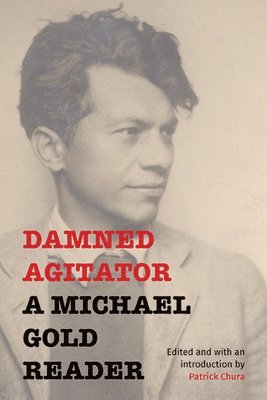
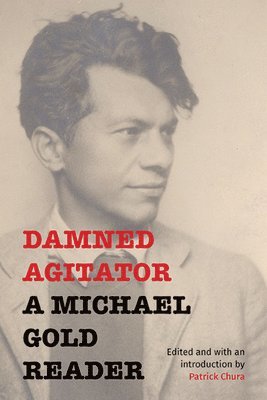
The most comprehensive collection of writings by an important twentieth-century radical writer."Is it time to release Michael Gold from his personal gulag to range free in the pastures of 20th-century American literature?" - Jim Hoberman, The NationThis definitive collection of fiction, drama, poetry, and journalism, edited by the author of the award-winning biography Michael Gold: The People's Writer, shows why Michael Gold was once the most famous radical writer in America and why his pro-democracy message still matters. From 1914 to 1966, Gold produced a body of literature best defined as "the direct expression of a man who is angry about something"-the injustices of American society. From his early support for radical leaders like John Reed and solidarity with impoverished immigrants and exploited workers, to his determined support for the Civil Rights movement and opposition to the Vietnam War, Damned Agitator shows how Gold directed his righteous indignation to advocate for those who were least able to advocate for themselves. This collection is the first to include the full range of Gold's writings, from poetry, fiction, and drama to literary criticism, personal memoir, and social commentary. At a time when democracy is threatened worldwide, Michael Gold is freshly relevant to a new generation. Though his legacy has been largely erased, this book recovers the deep political passions of the "damned agitator."
469 kr
Skickas inom 3-6 vardagar
The most comprehensive collection of writings by an important twentieth-century radical writer."Is it time to release Michael Gold from his personal gulag to range free in the pastures of 20th-century American literature?" - Jim Hoberman, The NationThis definitive collection of fiction, drama, poetry, and journalism, edited by the author of the award-winning biography Michael Gold: The People's Writer, shows why Michael Gold was once the most famous radical writer in America and why his pro-democracy message still matters. From 1914 to 1966, Gold produced a body of literature best defined as "the direct expression of a man who is angry about something"-the injustices of American society. From his early support for radical leaders like John Reed and solidarity with impoverished immigrants and exploited workers, to his determined support for the Civil Rights movement and opposition to the Vietnam War, Damned Agitator shows how Gold directed his righteous indignation to advocate for those who were least able to advocate for themselves. This collection is the first to include the full range of Gold's writings, from poetry, fiction, and drama to literary criticism, personal memoir, and social commentary. At a time when democracy is threatened worldwide, Michael Gold is freshly relevant to a new generation. Though his legacy has been largely erased, this book recovers the deep political passions of the "damned agitator."